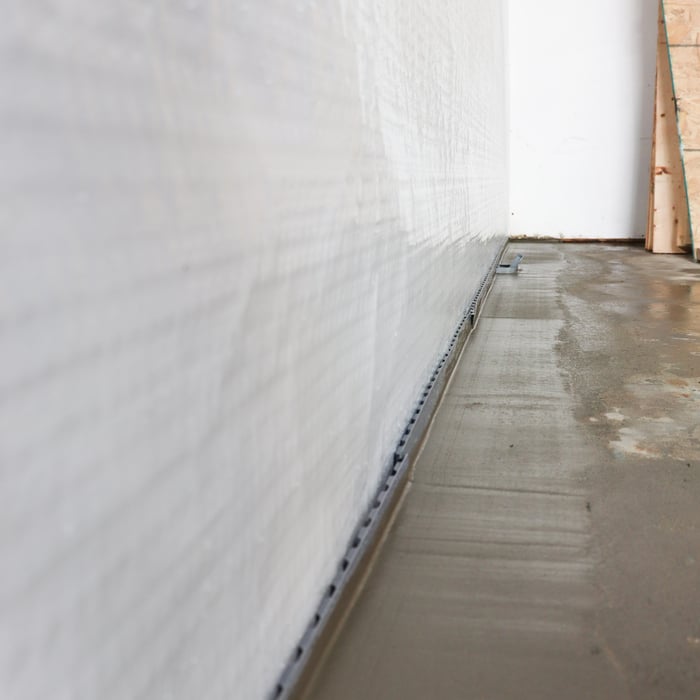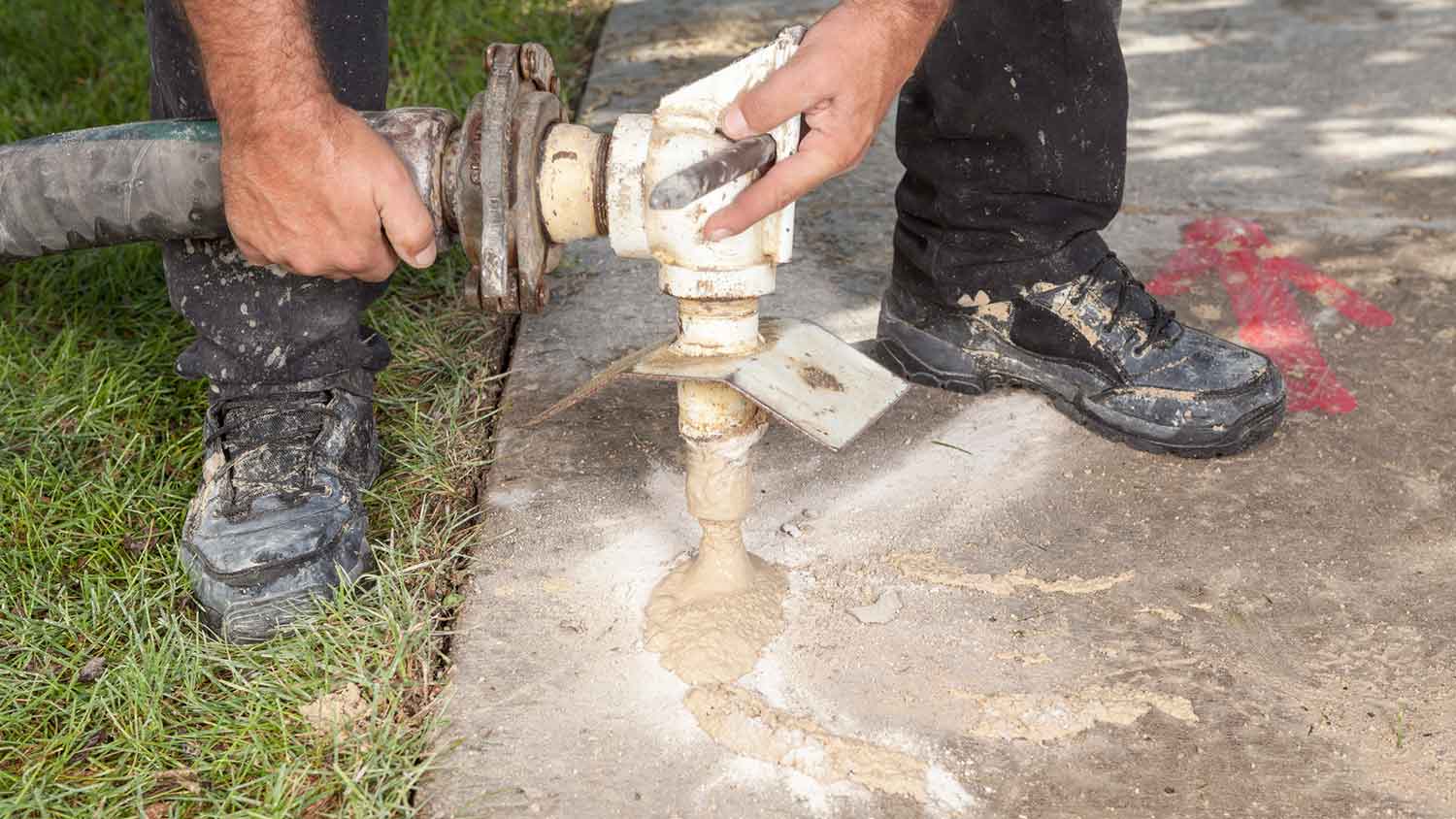








"On July 1st (2021), Mel and Stephan from Innovative Basement Authority dug a 30'x18" trench by hand to bury our sump pump discharge pipe. They installed a freeze valve, 30' of 5" PVC, and a discharge grate, exactly where we asked to place it. They had to dig right next to the garage foundation, so this was no easy feat. They also made short work of removing a 4'x4' concrete pad for us. The guys were very courteous, punctual, and seriously hard-working. They did an exceptional job, and in just half a day, I was able to check 1 more item off my honey-do list! We are hoping to hire Innovative Basement Authority for some garage floor concrete work in the near future. Thanks IBA! Brian & Terri MacDonald"
Concrete Mudjacking questions, answered by experts
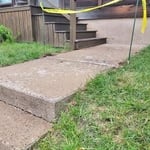
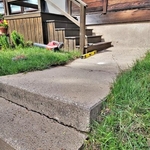
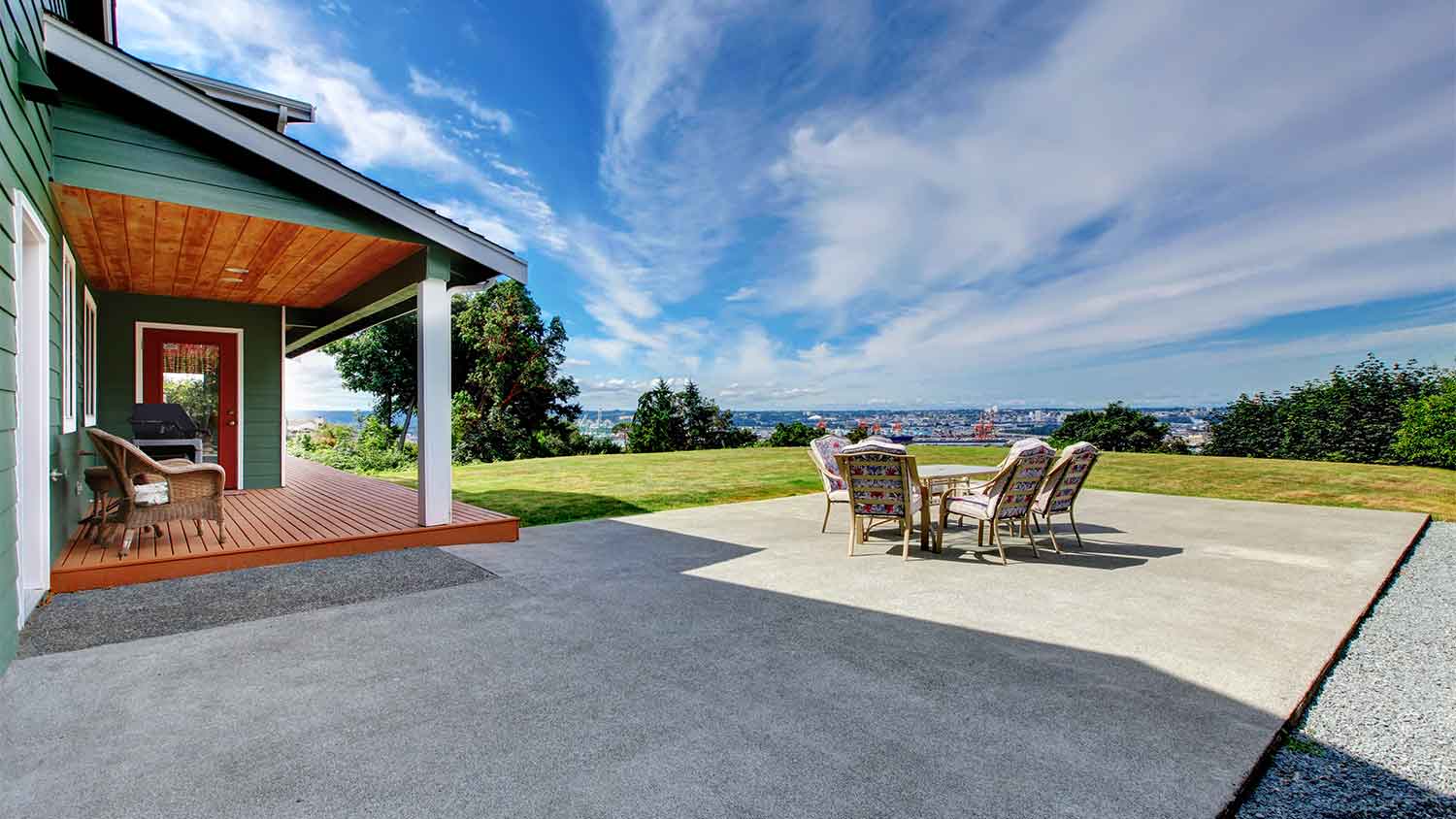
Mudjacking is suitable for sidewalks, driveways, patios, and nearly all exterior flat structures. However, it may not suit severely damaged or heavily cracked areas.
Yes, you can mudjack cracked concrete, but the cracks will need to be repaired once the concrete has been leveled. If the concrete is severely cracked in multiple places, replacement may be a better option, but for less severe cracking, mudjacking is a good solution as long as cracks are correctly caulked and sealed.
Yes, expanding foam (also known as polyurethane foam) can lift concrete. This approach, called polyjacking, involves injecting the foam rather than concrete slurry to fill voids and raise the concrete slab back into place. It’s often faster and requires smaller drill holes than traditional mudjacking, though it may come at a higher cost. Some contractors also prefer polyjacking over mudjacking for more damaged and delicate slabs.
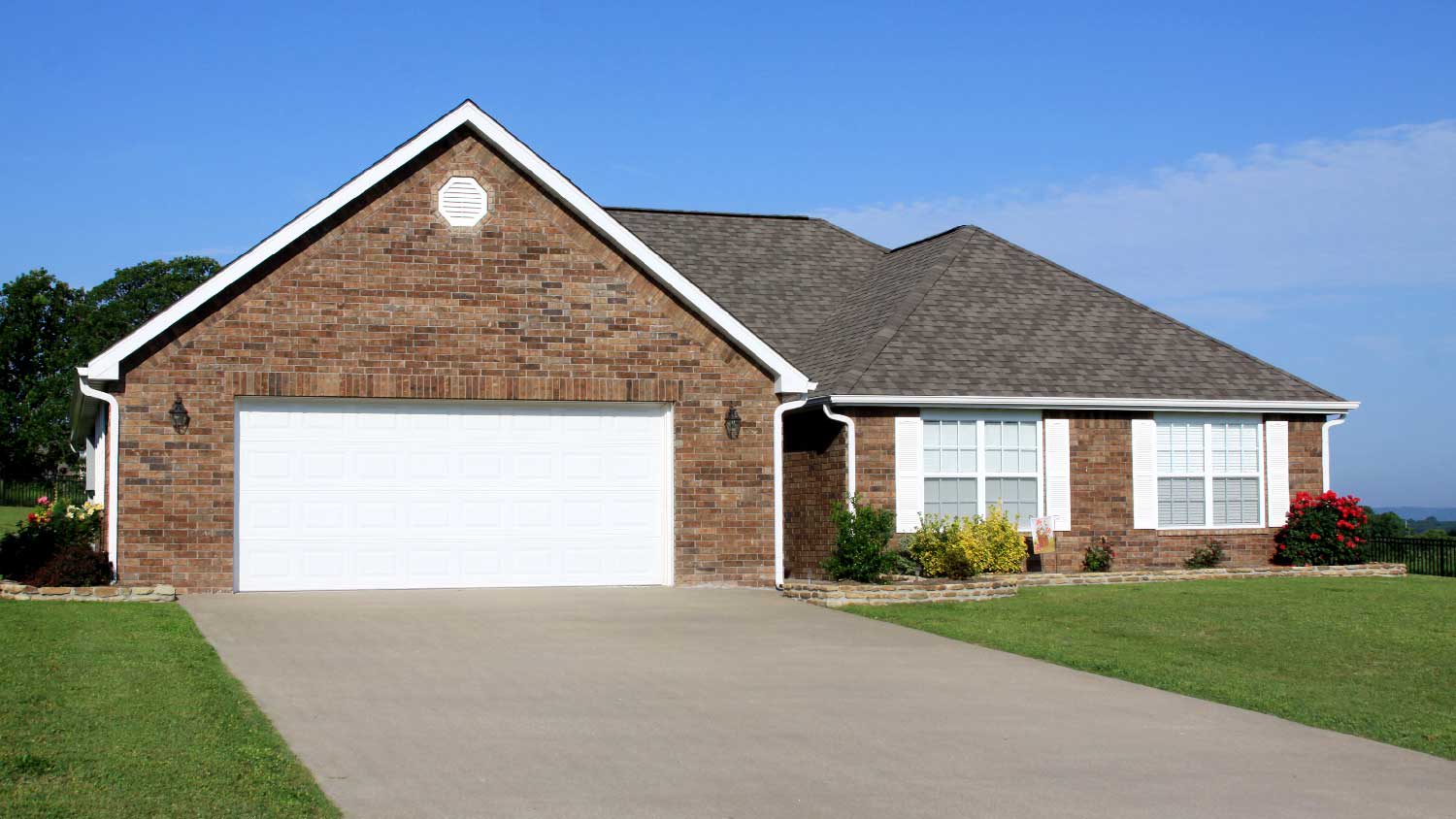
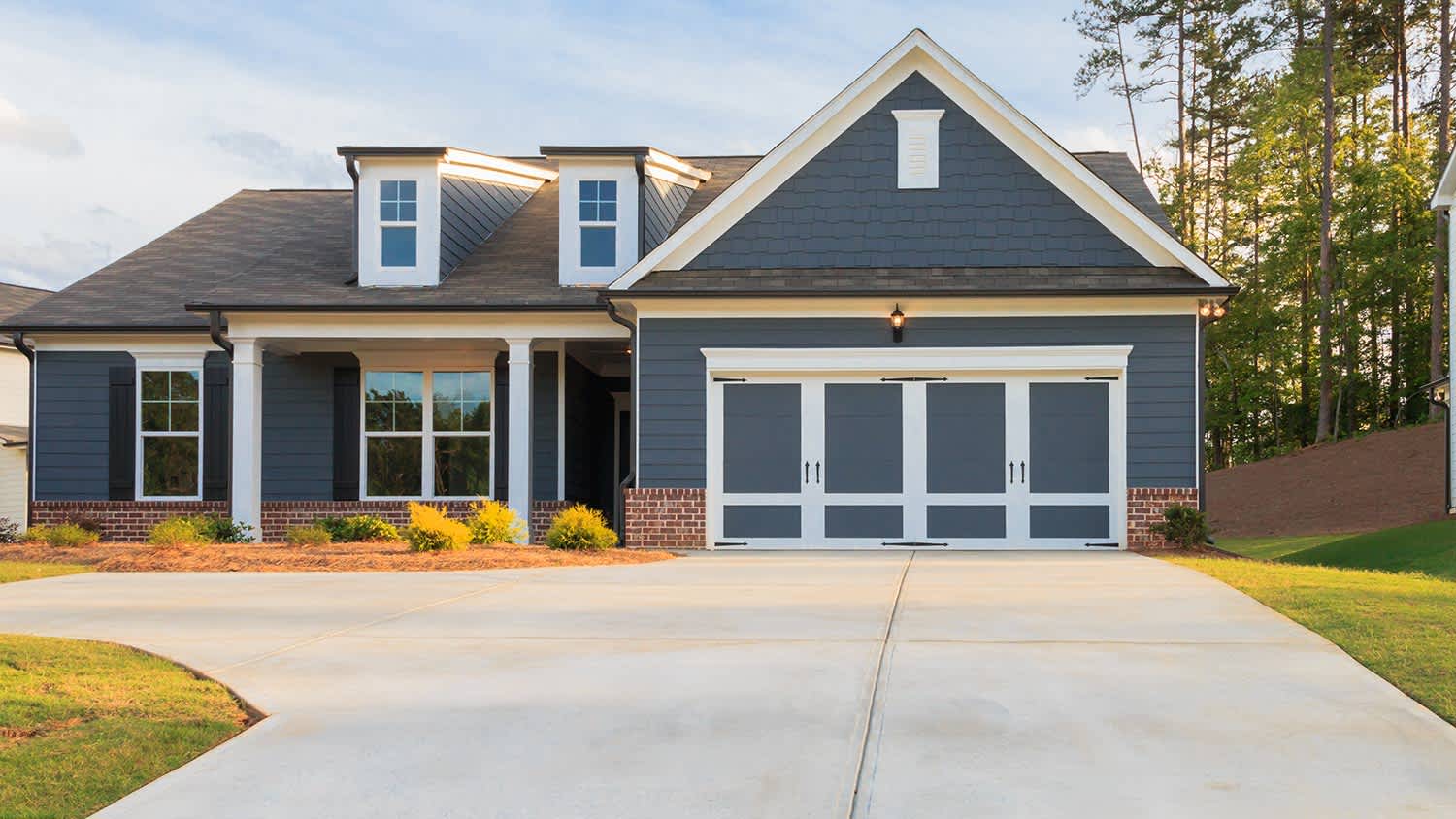
Mudjacking is usually reserved for light-duty slabs, like patios, driveways, and sidewalks. However, it can be an effective way to lift garage slabs and concrete around the perimeter of the home, which could harm your foundation if it’s not done properly. The risk of damage is why having a professional mudjacking company carry out the work is important. This type of slab or foundation repair is relatively inexpensive, especially if you consider that a DIY job requires that you pay to rent the necessary equipment.
Concrete leveling can last anywhere from five to 10 years or more, and in some cases, it can be a permanent solution. The longevity depends on the method used and whether the underlying cause of the sinking is addressed. For example, mudjacking typically lasts five to 10 years, while polyjacking can last for 20 years or more. It's best to consult a professional for an accurate timeline based on your specific situation and any factors that could cause the issue to recur.
The Eveleth, MN homeowners’ guide to concrete mudjacking services
From average costs to expert advice, get all the answers you need to get your job done.
DIY mudjacking is an advanced task, but learning how to raise a concrete slab is great to know for many scenarios. Let's take a look at how to DIY mudjack.
Sunken concrete can be a structural issue, but a professional can easily repair it. Ask these concrete injection leveling and mudjacking questions before you hire.