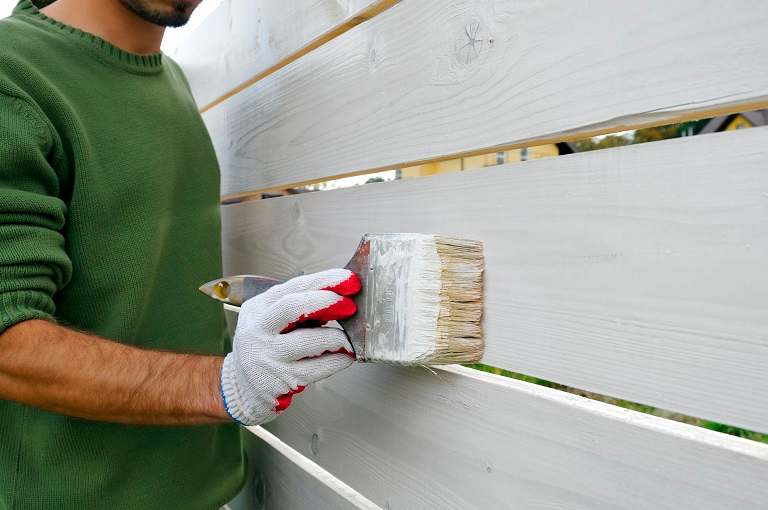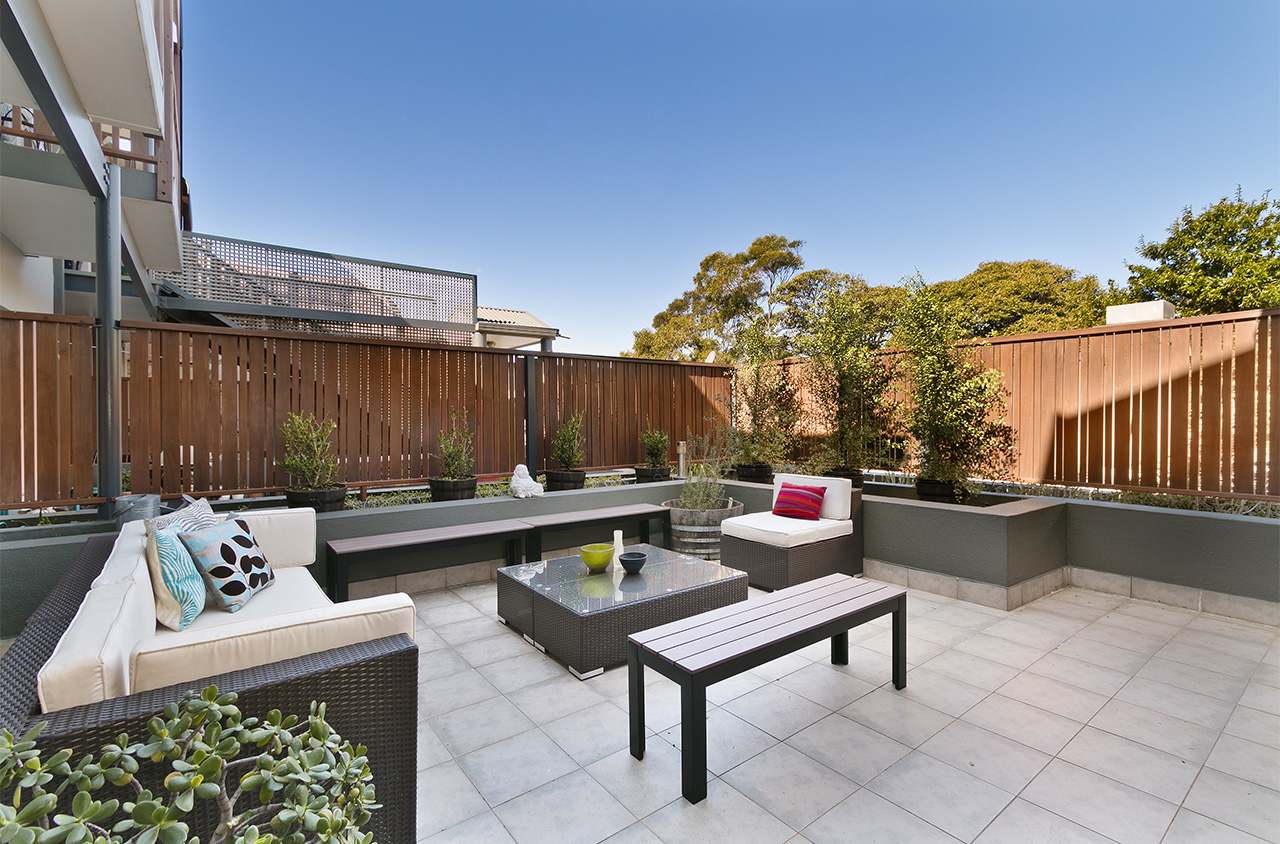
Your tool of choice ultimately comes down to personal preference. Many DIYers prefer applying stain with a lint-free rag, but others stick with a paint brush or a roller. Wipe the stain and work it into the wood, working with and against the grain. If you’re applying multiple coats, allow the stain to dry for around four hours between coats.
Yes, you can limewash surfaces other than brick. Plaster, stone, stucco, and concrete can all also be limewashed. Any porous surface that will absorb the wash is a good candidate for limewash, although it won’t help much with waterproofing. If you choose to limewash over paint, you’ll need to prep before applying it to avoid a powdery, chalky finish. Shiny surfaces like metal or glass can’t absorb limewash, so it’s not suited for these.
You should stain both sides of your fence to get the full benefits. Fences often fall along property lines, so you may want to save a buck by leaving your neighbor’s side in the dust. If you do that, all you get is a slightly better view. Moisture and UV rays can still sneak in through the side that’s unpainted or worn down and damage your fence. Rot and rust will spread, even if you can’t see it from your side of the lawn.
Limewash and whitewash are two techniques used to give brick a light, matte finish, but they differ in composition, application, and permanence. The best choice depends on your aesthetic goals and the specific surface.
Composition
Limewash: A natural and environmentally friendly option made from limestone, water, and sometimes pigments. It is breathable and soaks into porous surfaces like brick.
Whitewash: Traditionally made from lime, water, chalk, and binders, but a similar look can be achieved with watered-down white paint. It is paint-based and sits on top of the surface.
Appearance and Finish
Limewash: Provides a natural, textured appearance that allows the brick's character to show through. It offers a more traditional finish.
Whitewash: Creates a softer, more opaque finish, often used for a rustic or shabby-chic style.
Application and Permanence
Limewash: Is semi-permanent and can be removed, making it a good choice if you might want to change the look in the future. It requires more skill to apply and cannot be used on previously painted brick.
Whitewash: Is a more permanent solution. It is more forgiving to apply and can be used on painted brick. However, because it sits on the surface, it can trap moisture.
Ultimately, if you want a breathable, natural, and reversible finish for unpainted brick, limewash is a great option. If you need a more permanent, opaque coating that can be applied over painted surfaces, whitewash is the better choice. Whitewashing may also be more economical, costing approximately $1.40 to $4.20 per square foot.
DIY is possible with proper tools and knowledge, but professionals can ensure even application and high-quality results, saving time and hassle.
The Champlin, MN homeowners’ guide to fence painting services
From average costs to expert advice, get all the answers you need to get your job done.
The cost to build a wood fence in Minneapolis, MN depends on the size, material, add-ons, and more. Read this guide to learn how each cost factor impacts the price of a wood fence.
Thinking about fence painting and staining? Learn about material options, costs to expect, and how to hire the right local exterior painter for the job.
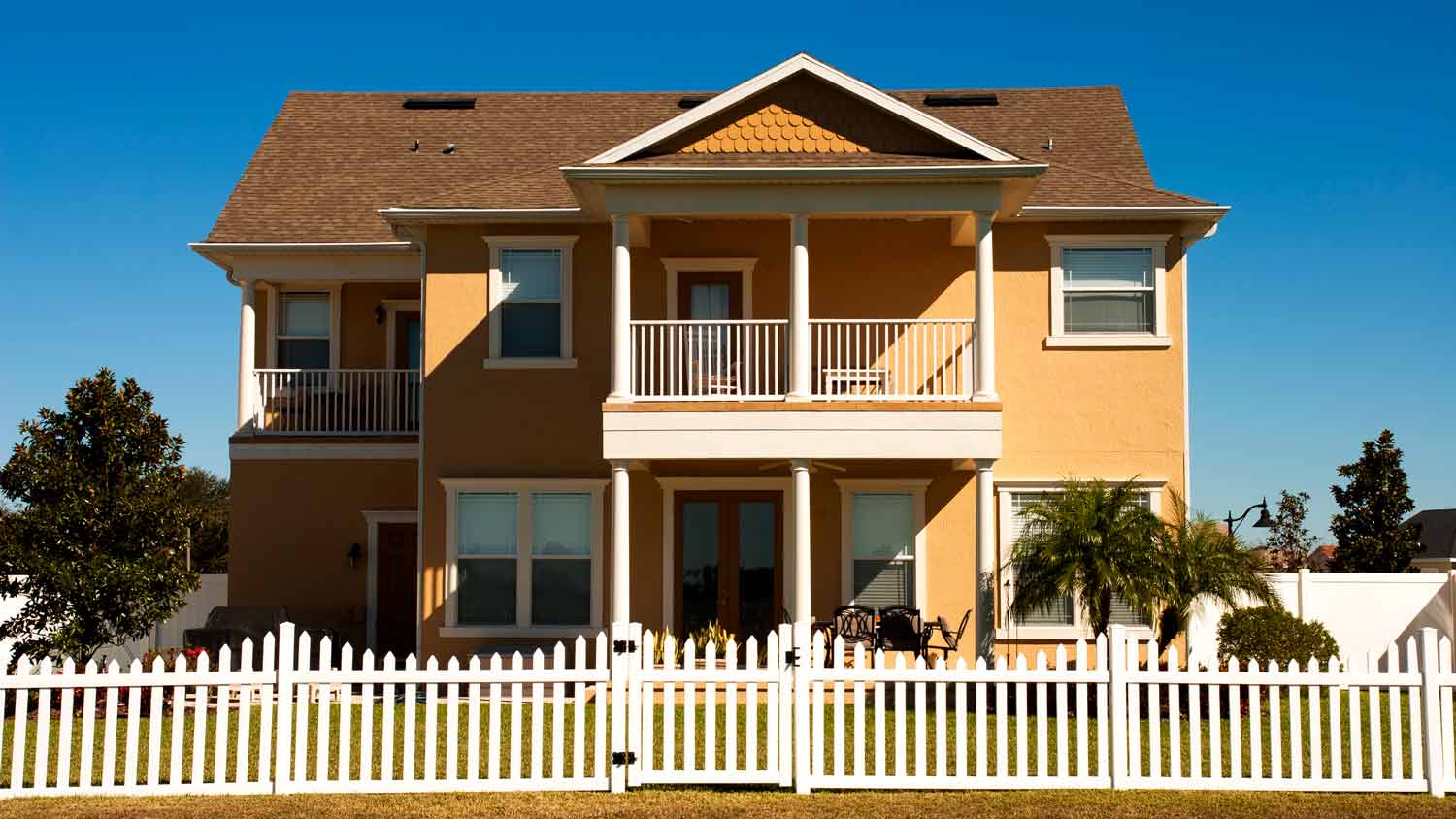
Deciding on the best fence paint color is difficult. This guide will help you choose a shade that creates the right vibe alongside your house color and landscaping.