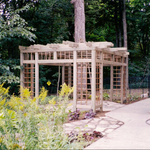
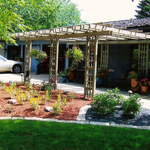
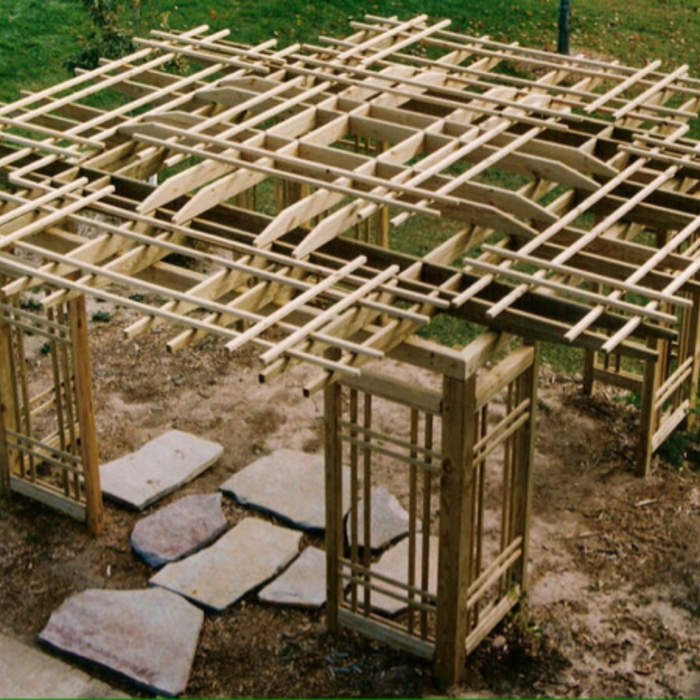
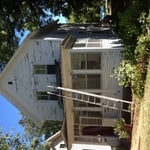
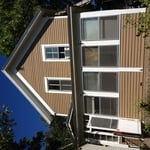
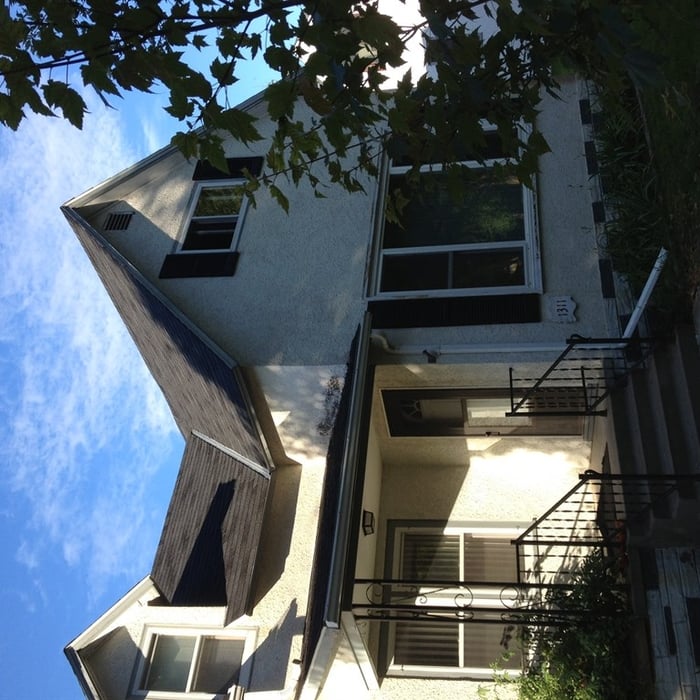
"I found him hard to work with (e.g. doesn't listen, pushy about doing it his way.) I was really hesitant after the estimate but he just kept pushing about it and I didn't have any other options - but I was sorry afterwards. I don't really like it, the quality doesn't seem great - but most important, it's not level. Drives me crazy and looks bad - just three panels and it's not level! Makes me nuts looking at it - feels like I threw my money away."
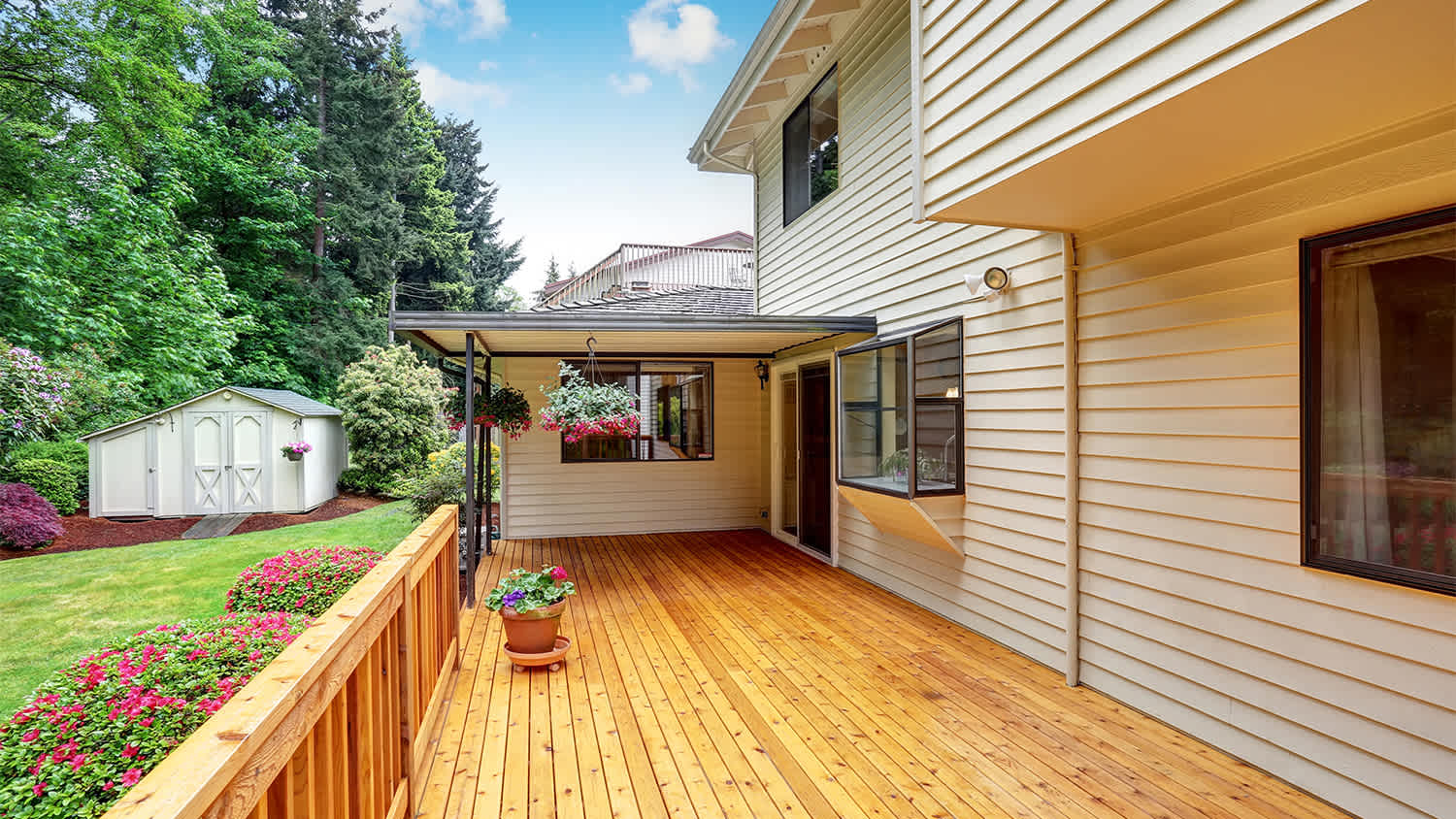
"Well it took some time for them to get out there because we had lots of rain that week, but when they showed up, they were great, I cant believe they even took the time to do a little shed for me that was not even in the quote, and did not charge me for it, they said they felt bad because the rain kept delaying them but that was not there fault, wow what a professional company, you don't see guys like Mr. Moss anymore you could tell his work is very important to him....."
It can be a daunting task looking for not only the right contractor for your job but also the right contractor for you. At Anseeuw Construction, LLC, we completely understand what you're going through. We know every customer has different desires, different needs and different schedules. We're not only here to turn your ideas into reality but to make it a memorable experience every step of the way. Call us right now, no matter where you are in the planning process.
For a 12x20-foot (240-square-foot) deck, you can expect to pay between $7,200 and $14,400. This cost is based on a general price of $30 to $60 per square foot. The final price will depend on factors such as the decking material, design complexity, deck type, location, and local labor costs. Keep in mind that add-ons will increase the total; for example, adding an under-deck drainage system to a deck of this size could cost an additional $7,700.
There are more pros than cons when staining a deck. Deck stain is more affordable than paint, it protects the wood and allows the natural textures to shine through, and it can revive the appearance of your home. However, deck stain also requires prep work (sometimes days or more), carries more upkeep than a painted deck, and can fade over time if not cared for.
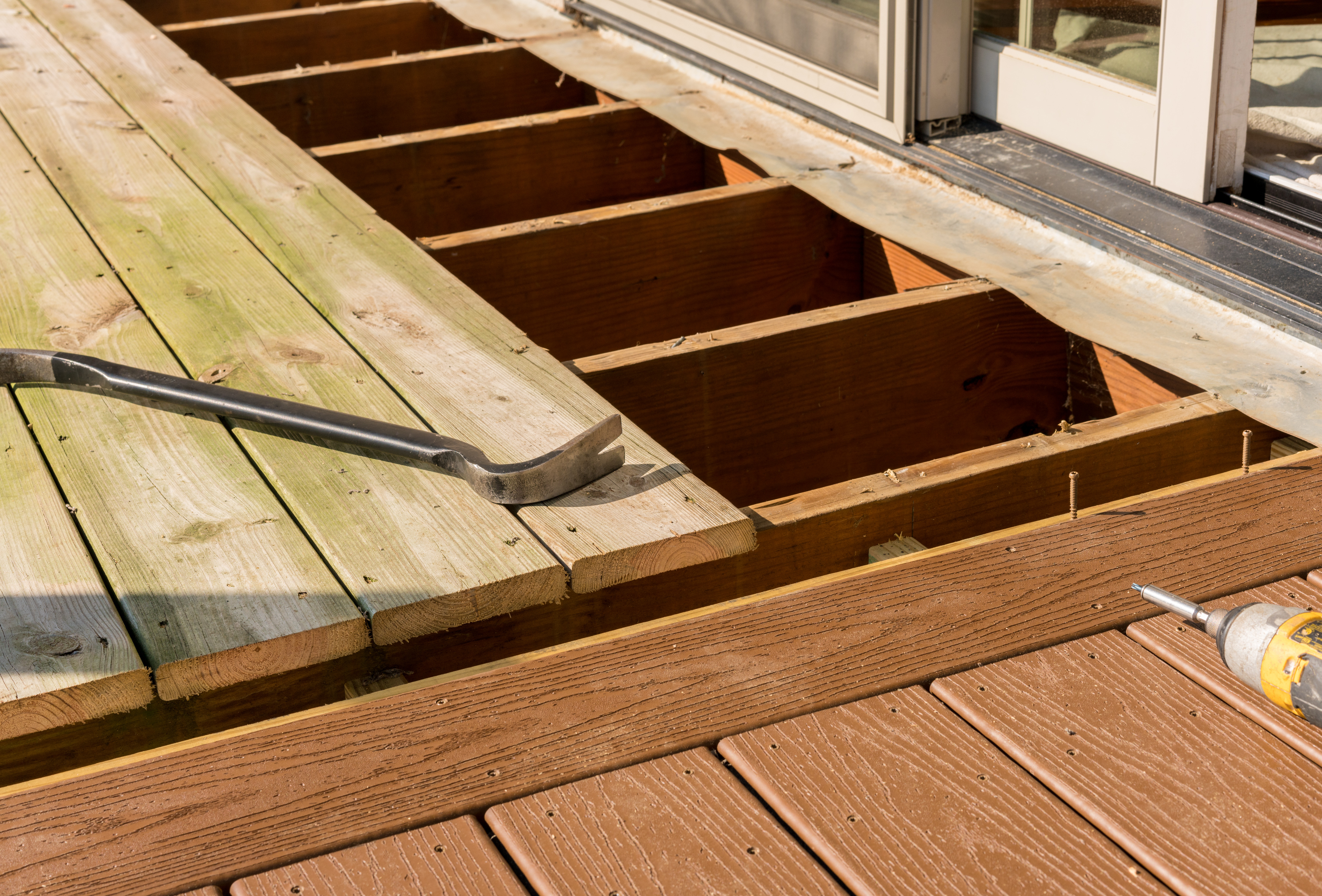
You can nail or screw composite decking, but 3-inch decking screws are the better fastener choice. Unlike nails, decking screws won’t back out of the composite material over time. There’s also little danger of splitting composite material when driving screws, so you don’t need to pre-drill holes unless otherwise recommended by your decking manufacturer.
In most cases, there should be a small gap between the house and the deck, usually no more than ½ to ¾ of an inch. This space allows water and moisture to flow through instead of pooling against the side of your house. It also lets flashing protect your siding from runoff, which is one of the most common issues with decks.
In most cases, your deck will need some form of deck footing to hold it in place, preventing moisture from rotting your wood and decreasing your deck’s lifespan. Concrete deck blocks are the most common type of footing for floating decks. Some homeowners use ground-level deck footings. For added security, consider digging and laying your ground-level footings below ground.
The Canby, MN homeowners’ guide to deck repair services
From average costs to expert advice, get all the answers you need to get your job done.
Deck replacement costs depend on materials, any structural damage you need to fix, and more. This guide explores how much it costs to replace or repair a deck.
Refinishing your deck is a great way to restore its appearance and fall in love with your outdoor space. Use this guide to learn how much it costs based on factors like size and type.
Old and run-down porch railings can be an eyesore and pose a risk of falling. Find out how much it costs to replace your worn out porch railings with new materials.
If your deck is in bad shape, this deck repair checklist will help you inspect, clean, maintain, and repair it without missing any vital steps in the process.