"Sales process was good, courteous and helpful. Installation instructions were easy to follow. Did have a small issue with one sensor which was easily solved with a call. Control panel is easy to use and well constructed. Phone app is the best part. Not a big fan of a 2 year contract and the monthly rate feels a little high, but definitely a decent system. I had emailed them a question pertaining installing on double hung windows and never received a reply, but other than that their phone support prior to that was good."
Here at Onyx Window Tinting, we are locally owned and operated. No job is too big or too small. Call us today for a free estimate! We are looking forward to going above and beyond on your project soon!
Modern windows provide enhanced UV protection, improved heat retention, and cooling efficiency, contributing to overall household energy savings.
Yes, with special treatments that help repel water spots and grime build-up.
Costs depend on window size, film quality, UV protection level, and installation complexity.
Solar screens reduce glare and block UV rays, which may slightly dim natural light and alter the view from inside. However, most homeowners find the trade-off worthwhile for improved comfort and energy savings. The impact depends on the screen’s color and density, with darker screens blocking more light but providing enhanced glare reduction and privacy.
Some frosted glass sprays can handle the outdoors, but most of them aren't built for it. Sprays made for exterior use will say so clearly on the label. Anything marked “interior use only” can't hold up against rain, UV exposure, or changing temperatures without peeling, fading, or yellowing. Outdoor-rated sprays are typically more durable, but even then, proper prep and application matter. Before spraying anything outside, double-check the product instructions. If it doesn’t specifically mention exterior use, skip it.
The Caledonia, MN homeowners’ guide to window tinting services
From average costs to expert advice, get all the answers you need to get your job done.
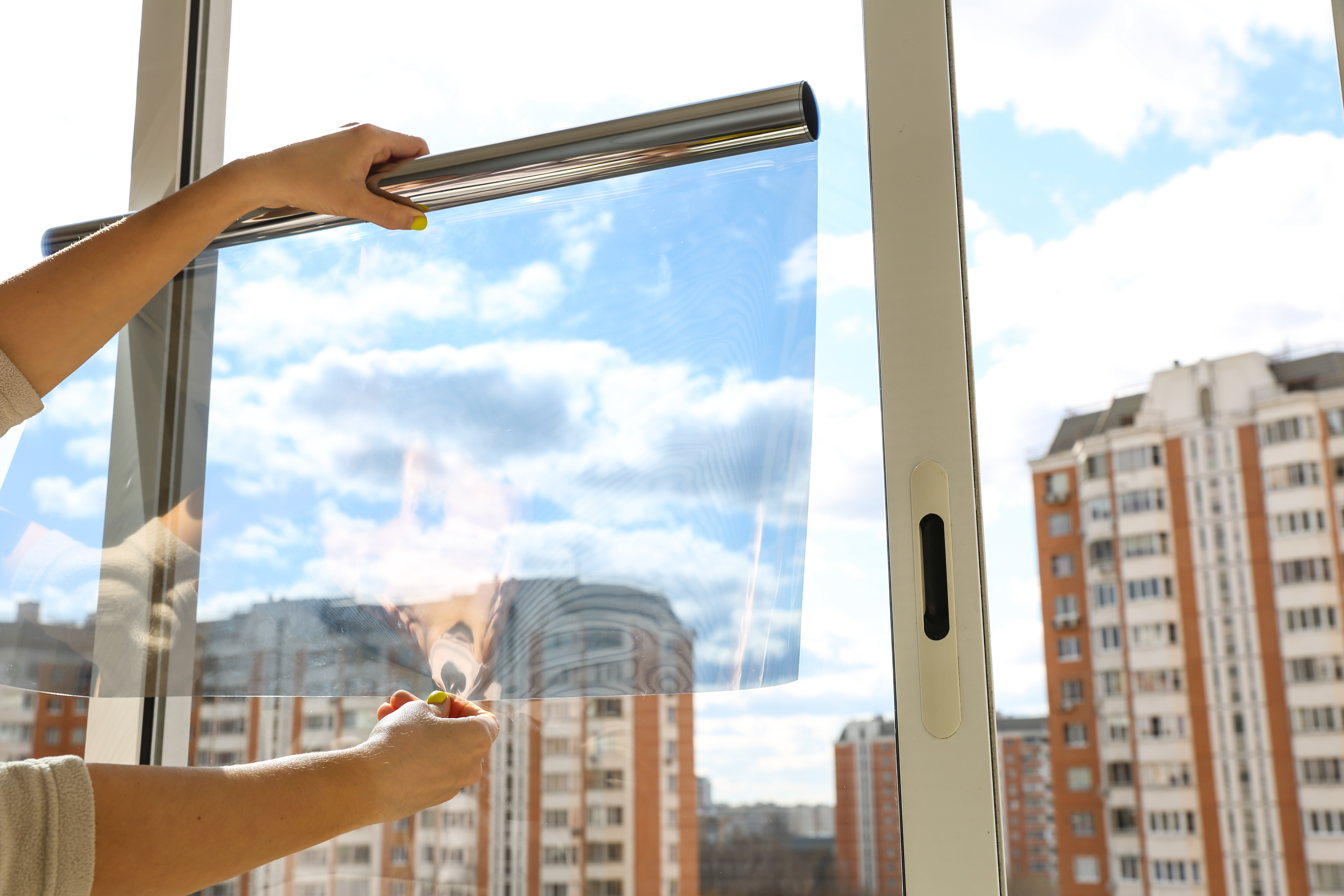
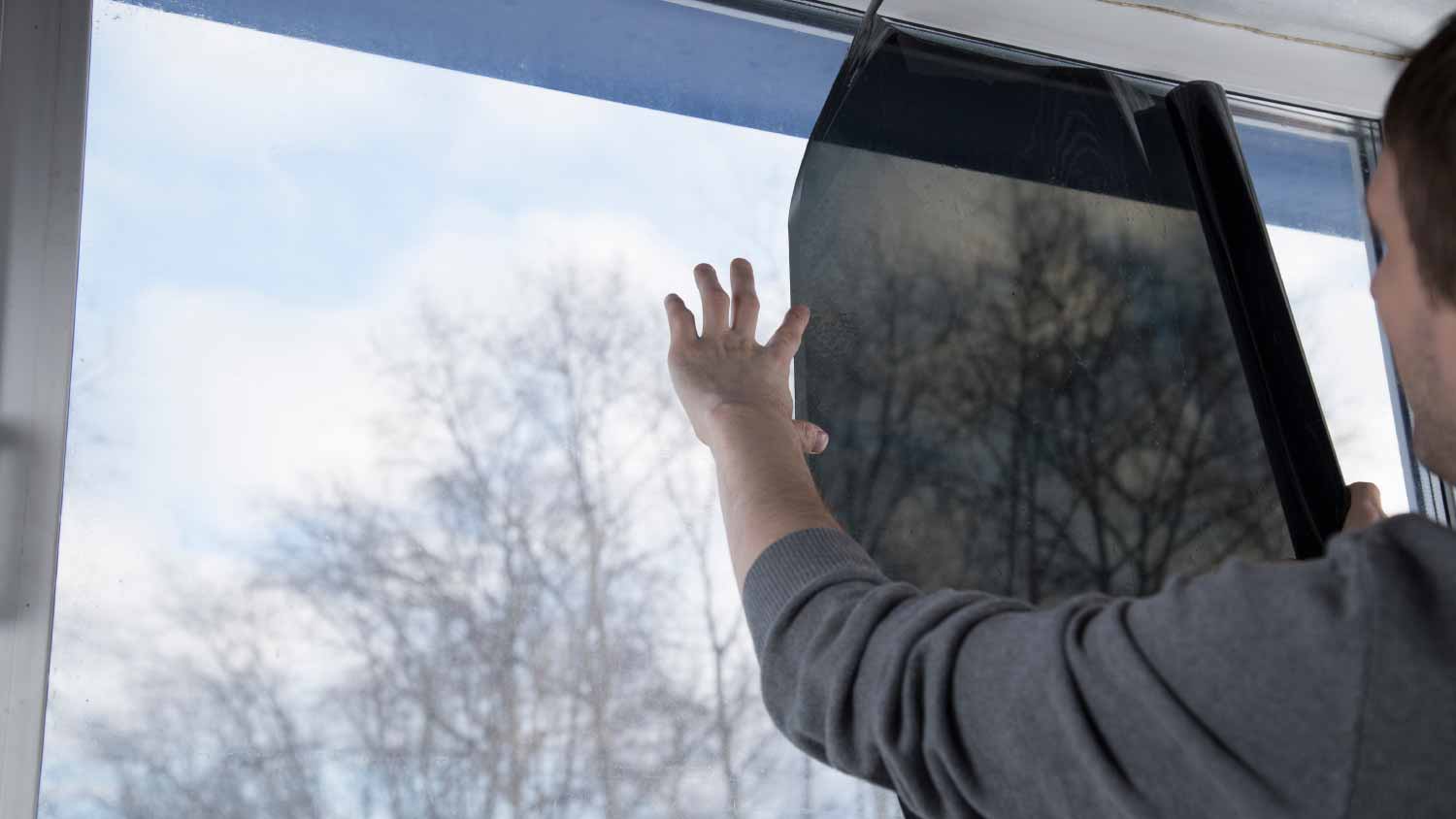
Tinting your home’s windows can add privacy, increase energy efficiency, and block damaging UV rays. Find out who tints home windows so you can hire the best.