Since 1932, Presto-X has been providing expert pest control services guided by the enduring principles of providing world class service to our customers and taking care of our colleagues. Presto-X covers your home or business with expert knowledge, professionally licensed and trained technicians, and exemplary service designed specifically for you.
Maintain sealed entry points, use deterrents like spikes or sonic devices, and keep areas clean to discourage nesting.
Both spikes and loose nets can be installed over nest sites to prevent the bird from returning, but nets are not a humane option since birds and other wildlife can get tangled in them.
Spikes are a humane alternative that deter nesting without harming the birds. In small areas, like vents, a very fine mesh net can be installed to prevent the bird from returning. These nets don't generally pose a risk to the birds.
Birds eat grass seed for one simple reason—it’s delicious! The seeds are rich in nutrients such as carbohydrates, proteins, and fats. Seeds are also high in energy, so humans eat trail mix loaded with seeds and nuts for long-distance activities. Grass seed, when unprotected, is also exceptionally easy to access.
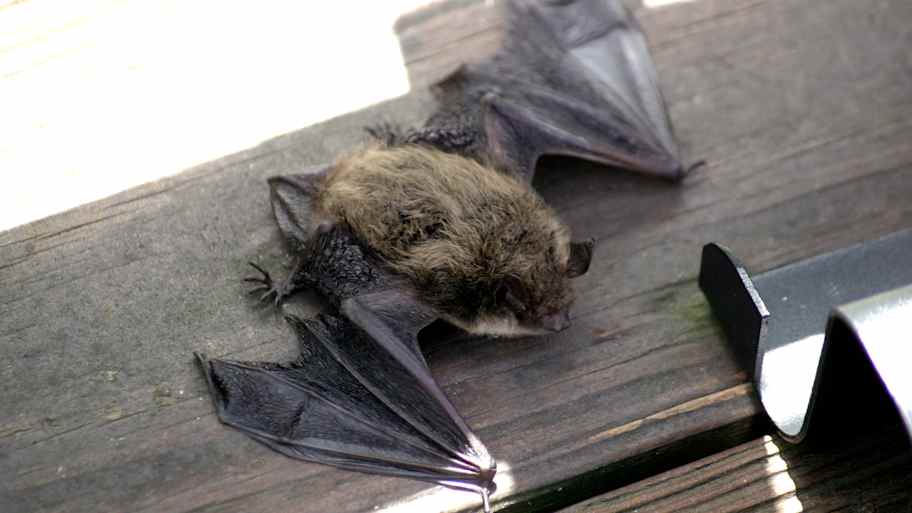
This depends on if their needs are being met. They'll likely return night after night if they have access to food, water, and adequate shelter. If this changes, they’ll look for another roosting spot. This is why bright lights and other dissuading factors often work when removing bats from a property.
Small amounts of geese are actually good for the environment. They help spread seeds and lead to more plant growth, but they’re often an invasive species, particularly Canadian geese. This means a small gaggle can quickly grow into a level that litters your lawn with bald patches and excrement.
The Buffalo Lake, MN homeowners’ guide to bird control services
From average costs to expert advice, get all the answers you need to get your job done.
Sometimes birds nest in unwelcome places. Find out how much bird nest removal will cost based on factors like location, bird species, and preventative measures.