








At All Service Professionals,\n\nwe understand that homeownership can sometimes throw unexpected curveballs. Whether it's a clogged drain, a dip in temperature, or a flickering light, these inconveniences don't have to last.\n\nAs your trusted home service professionals, we're here to bring peace of mind and restore your home's comfort quickly and efficiently. \n\nDon't hesitate to call!\n\nWe're here to bring peace of mind and restore your home's comfort.
"Approve has worked 2 projects for me at my business. New Gas lines and a new hot water on demand service. Nice work. And great people to work with. Very satisfied with the quality of workmanship. Thank You! Approve Plumbing."
Arrowhead, Plumbing, Heating & Refrigeration proudly serves it's customers with pride, integrity and attention to the details that matter most to you. This is one of the many things that sets us apart from the rest. We are locally owned and operated. Give us a call today!
here at Master Plumber INC we are a fully licensed and insured plumbing company. No job is too large or small for us and we pride ourselves on our expertise in our trade and our ability to keep all calls running smoothly.. Call now for a free estimate.
At Duluth Masonry and Concrete, we pride our company on reliability, great communication, integrity and quality work. We are experts in our trade and will do our best to keep you as educated as we can, on your particular task or project. We look forward to earning your business!
The difference between a built-in and regular grill is installation and design. A built-in grill is integrated into an outdoor kitchen or structure, often within a countertop or island. It is a permanent fixture. A regular grill is standalone, portable, or cart-mounted, allowing mobility and versatility in placement. Built-in grills are typically larger with more cooking space, while regular grills come in various sizes. Built-in grills are favored for creating a custom outdoor cooking area, while regular grills provide convenience and flexibility.
On average, a gas grill can last from five to 15 years. The exact lifespan depends on several factors, including the brand and quality of the grill, frequency of use, and whether the gas line is buried or above ground. With proper maintenance and care, such as regular deep cleanings to remove food, grease, and carbon deposits, a grill's life can be extended. Protecting the grill from the elements with a cover can also prevent rust and reduce the need for repairs. Most grill manufacturers also offer extended warranties, which vary in coverage and terms.
DIY is not recommended due to safety concerns. Professional installation ensures proper connections and compliance with codes.
A few potential problems can cause your gas grill to stop working:
Burners aren’t properly aligned.
Food debris is clogging the burners.
Hose connections may be blocked.
Burners may not be getting enough gas.
Gas valve is not working properly.
If you’re experiencing any of those problems with your gas grill, hire a local grill repair professional to inspect your grill for issues and implement a plan to resolve them.
The most significant benefit of having a gas grill over a propane grill is that you never run out of fuel unless there’s an outage in your area, which is rare. Unlike with a propane grill, you’ll never need to haul tanks back and forth to a local fill station, and you’ll never find yourself unable to use your grill because you forgot to refill your tanks. Gas grills also burn slightly cleaner than propane grills, and natural gas costs significantly less than propane, meaning it’s more affordable to run your grill.
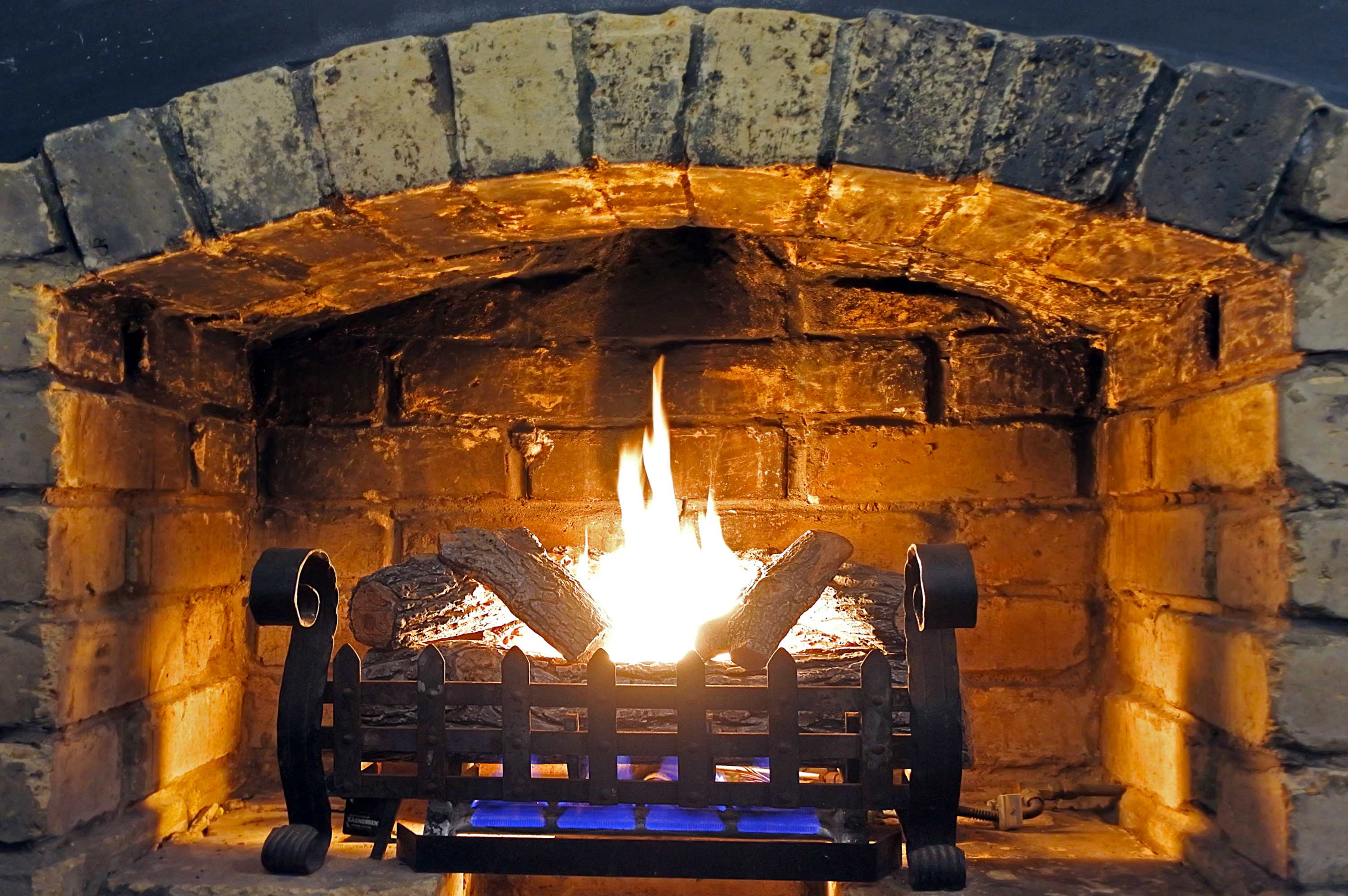
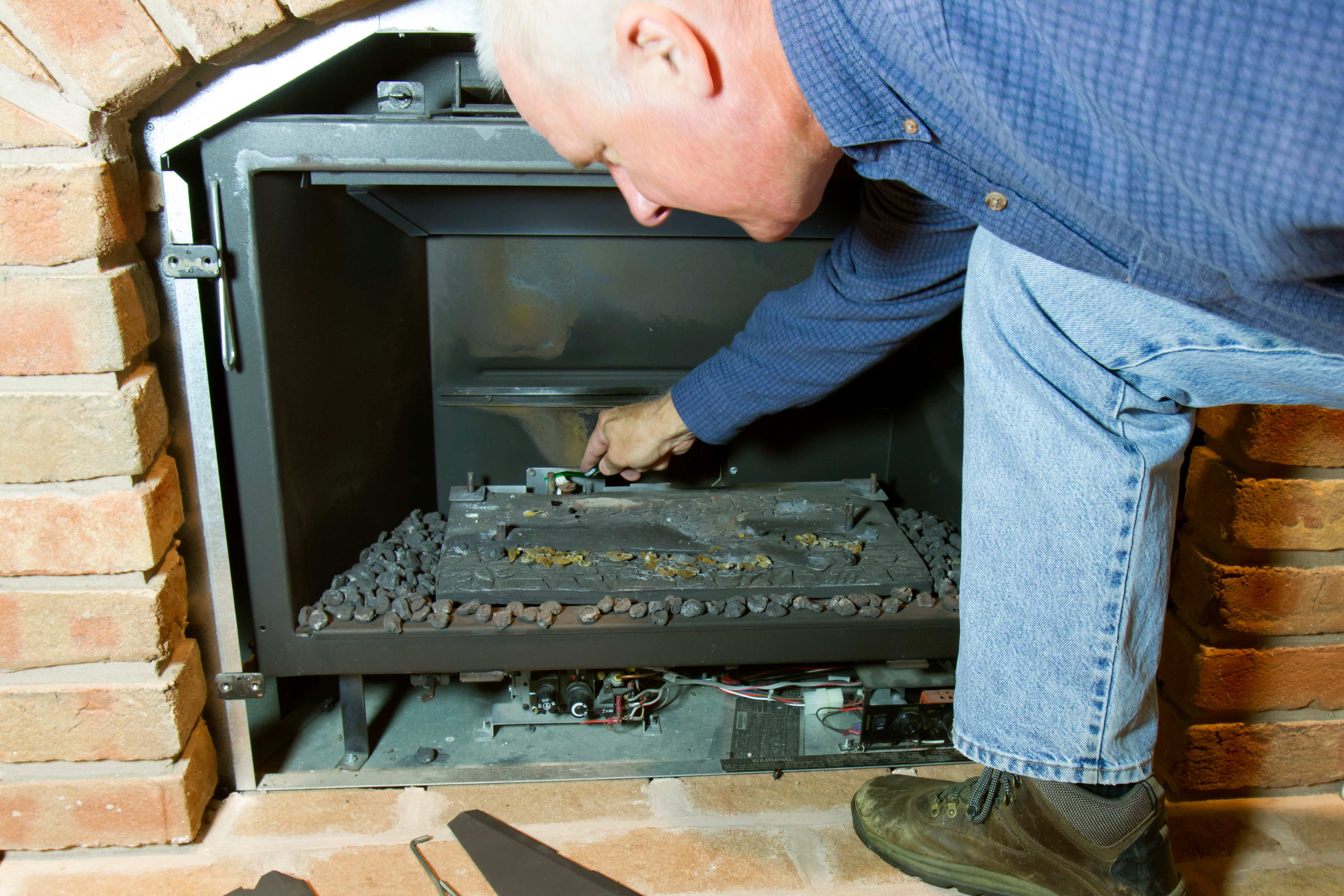
The Britt, MN homeowners’ guide to gas log services
From average costs to expert advice, get all the answers you need to get your job done.
This guide shares information about the cost to remove a gas fireplace, including the average price to additionally remove the breast, stack, and chimney flue as well as which experts will be needed to complete the project.
Gas furnace replacement costs depend on the type of furnace you want and installation fees. Our guide explains all the factors involved in a new furnace cost.
When comparing vented versus ventless gas logs, vented logs are better for ambiance, while ventless gas logs are easier to install and heat a room efficiently.
Ventless gas logs serve the same purpose as vented gas logs. But that doesn’t mean they’re interchangeable. Find out more on whether you can use ventless gas logs in a vented fireplace or not using this informational guide.