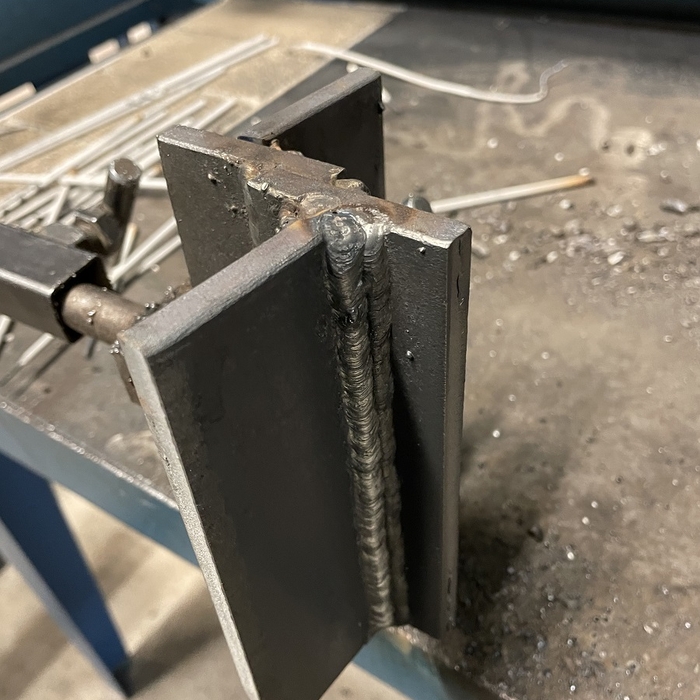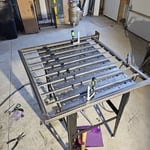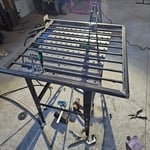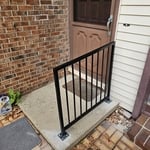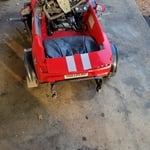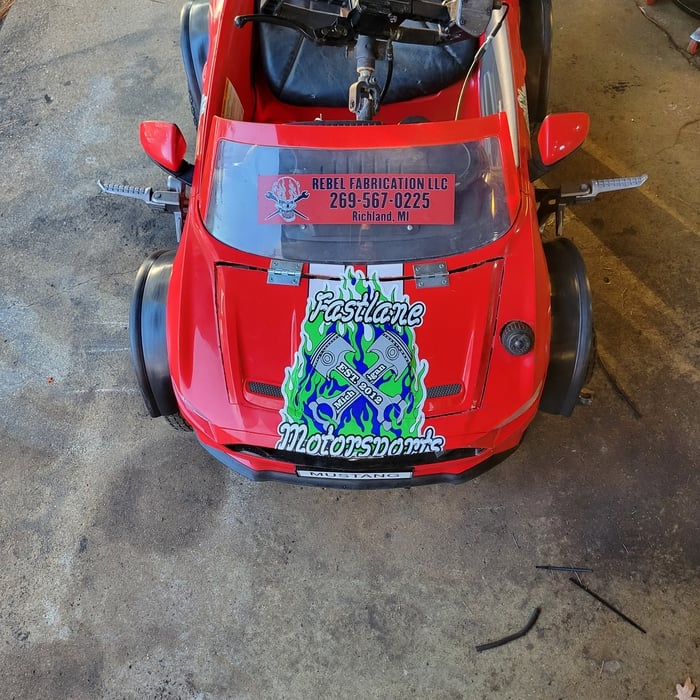



Andy Wright, founder, owner and operator of Done Wright Industries has metal in his blood. He started welding as a child, showing great promise even from a very young age. He graduated from the Mecosta Osceola Career center and then went on to graduate Hobart School of Welding top of his class. His work was so impressive that he was immediately hired into the Boilermakers local 169 apprenticeship where he made journeyman. He was with the Boilermakers for 10 years as both a top welder and a foreman on countless job sites across the US, including new builds for power plants. He then went on to become a journeyman pipefitter welder. Not only is he counted on for high quality welding, having passed a multitude of AWS Welding tests throughout his career, Andy is best known for the quality, efficiency and integrity of his work, and his strong work ethic. He also has done a great deal of custom work including the full build of a custom prerunner dune truck, starting with just the cab, that is
Wright Fence Company has been in business for 24 years. James Wright is the owner and the operator of the company. James is a fence professional associated with the American Fence Association. Wright Fence Company uses the best product on the market today. James keeps his customers happy with great installations and competitive pricing. Call Wright Fence Company today!
I built an entire barn dominium myself, from electrical, infloor heat system, plumbing, framing, drywall, finishing, shiplap, and trim. I am a 22 year member of Ironworkers local 292, I am an experienced welder/fabricator and have held unlimited thickness structural welding certs for 19 years.
Castle Metal Works is committed to excellence in every aspect of our business. We uphold a standard of integrity bound by fairness, honesty, and personal responsibility. Our distinction is the quality of service we bring to our customers. Accurate knowledge of our trade combined with ability is what makes us true professionals. Above all, we are watchful of our customers' interests, and make their concerns the basis of our business.
First Class Fabrication is committed to excellence in every aspect of our business. We uphold a standard of integrity bound by fairness, honesty, and personal responsibility. Our distinction is the quality of service we bring to \nour customers. Accurate knowledge of our trade combined with ability is what makes us true professionals. Above all, we are watchful of our customers' interests, and make their concerns the basis of our business.
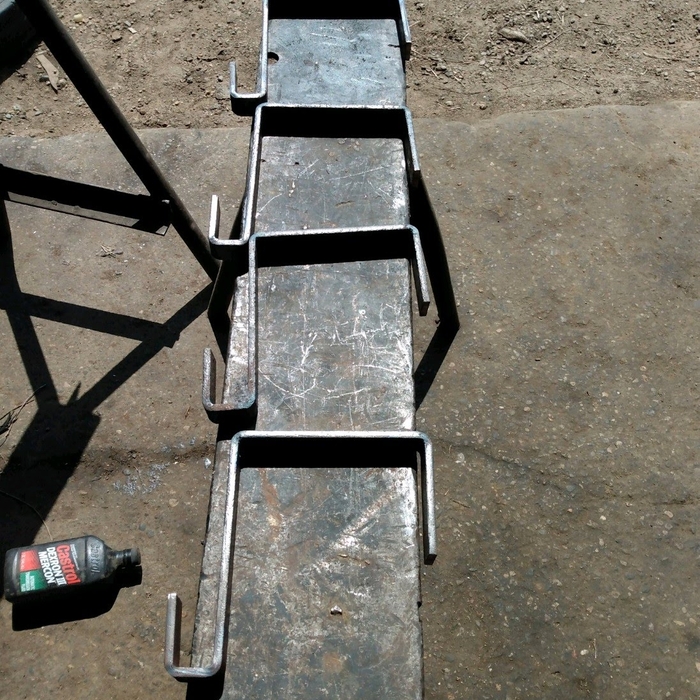
"Asked Tony at Burlew fabrication of he could make me steel ladder racks for the side of my garage for pipe and ladders.
Within 24 hours he had them welded up and installed them himself.
Great work, very happy with them, would hire again!"
Yes, you can use a saw to cut metal pipes. The best saw to use is a reciprocating saw, but even a fine-tooth hacksaw can get the job done. No matter which saw you use to cut metal pipes, wear protective gear, like work gloves, safety goggles, and ear plugs. Apply a firm, steady pressure to the tool, and always ensure the pipes are secured so they don't move while you make the cuts.
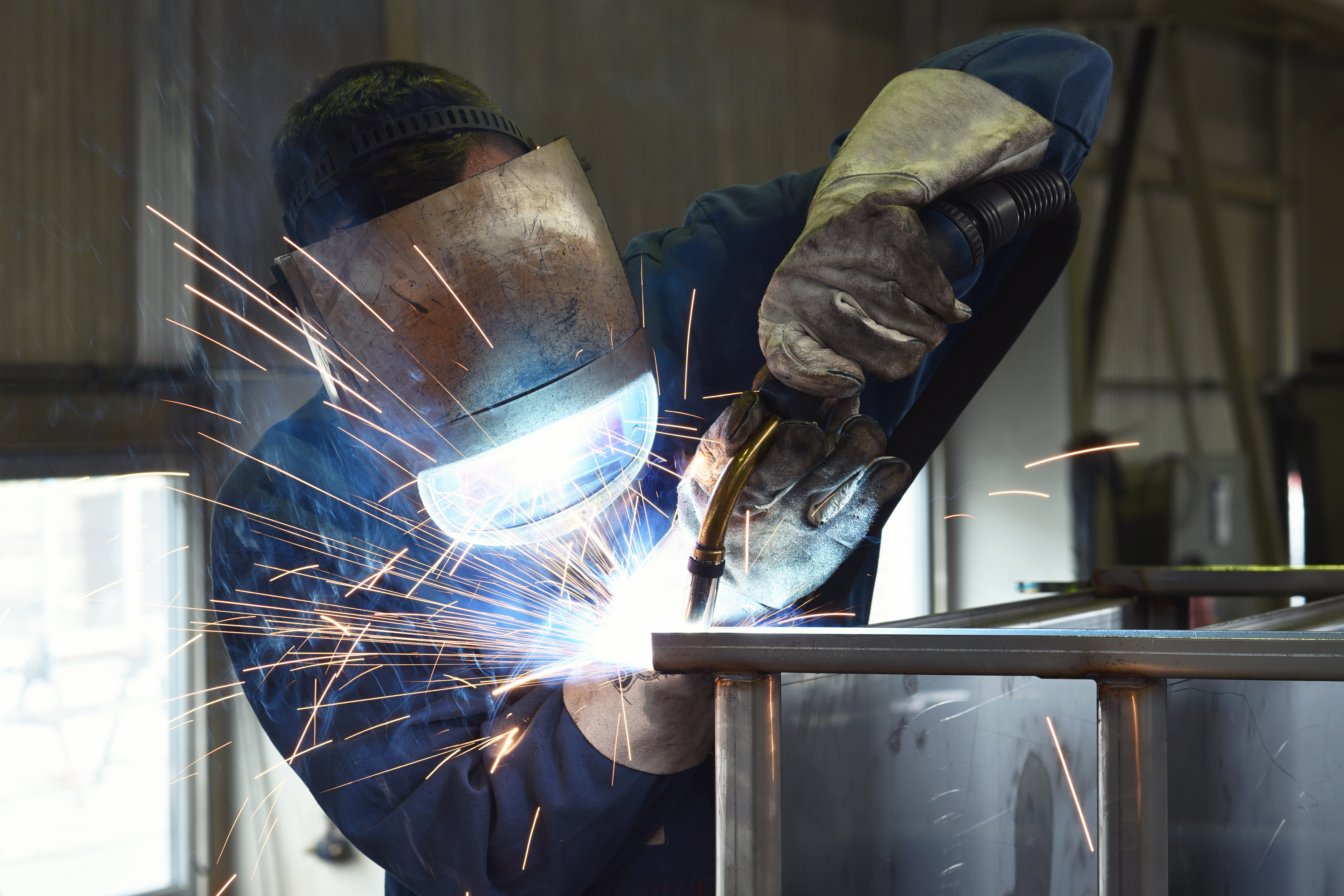
Welding is the process of using extreme heat—and, sometimes, pressure—to attach two pieces of metal. In contrast, metal fabrication is a more involved process that can include welding, sheet metal work, bending, and other forms of metal manipulation. Metal fabrication is a large-scale project that may or may not involve welding, while welding is more often a step in larger fabrication projects.
Welders use a variety of methods in their trade. Different types of welding are better suited for different purposes and contexts. For example, stick welding is a versatile form suitable for most metals and alloys.
The most common types of welding include:
Stick welding: $100–$1,000
Metal Inert Gas (MIG) welding: $250 and up
Tungsten Inert Gas (TIG) welding: $250 and up
Gas welding: $150 and up
Forge welding: $15–$25 per hour
Cutting rectangular ductwork requires careful measurements and the right technique. Use a measuring tape and pencil to mark the cutting lines accurately. Tin snips are excellent for straight cuts on smaller ducts. For more extensive or thicker rectangular ducts, a reciprocating saw with a metal-cutting blade is effective.
Ensure the duct is well-supported and secure while cutting to prevent wobbling and maintain precision. After cutting, use a metal file to smooth any sharp edges, ensuring safety during installation.
While a high-speed circular saw will cut through metal, and even cut through multiple sheets at once, the fast-spinning saw blades create a lot of heat. This heat can damage paint and other protective coatings, leading to serious problems like rust over time. The cost to paint a metal roof again to avoid this damage is typically an additional $0.50 to $1 per square foot.
The Wayland, MI homeowners’ guide to welding services
From average costs to expert advice, get all the answers you need to get your job done.
When you need help with a metal project and don’t have the expertise or the time, call an expert welder for your project. Here’s how to vet and hire a welder.