





Top-rated arborists.

Get matched with top arborists in Sanford, MI

Enter your zip and get matched with up to 5 pros

Need a pro for your arboricultural service project in Sanford, MI?

Select your specific project to find the pro for you.

TRUSTED BY SANFORD, MI HOMEOWNERS

  • Average homeowner rating star icon4.6
    Average homeowner rating
  • Verified reviews icon153
    Verified arboricultural services reviews

Find Arborists in Sanford

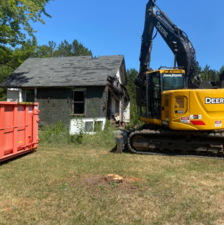
Avatar for NRE Excavating
NRE Excavating
4.9(
17
)
Tree RemovalTree Stump - RemoveTree Trimming

Serving Sanford, MI and surrounding areas

Approved

In business since 2017

Free estimates

Offers commercial services

"Would hire again. Actually showed up unlike other people. Reasonable price. My wife was the one who conversed with them and she said “very polite, understanding, down to earth people who she will hire again in the future.”"
Home Demolition
Home Demolition
8 neighbors recently requested a quote
Recommended by56%of homeowners
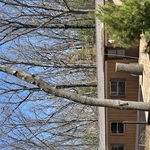
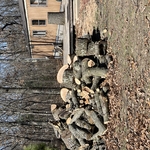
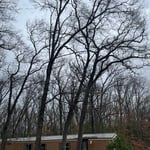
M&M Tree Service
4.6(
131
)
Tree RemovalTree Removal - For Business

Serving Sanford, MI and surrounding areas

In business since 1986

Free estimates

Credit card accepted

"M & M removed a large oak tree over hanging power lines and a grove of 60 trees on about an acre of land. The work was done safely and exactly as I requested at a very fair price. Owner Monte Linton was a pleasure to work with and I have no reservations about recommending him to others."
Response time1 day
Recommended by96%of homeowners
...
Showing 1-10 of 74
Arborists questions, answered by experts

The ideal time to prune a tree depends on the type of tree. Typically, late winter or early spring is a good time to prune but isn't always the case for "towering trees." It's best to trim when trees are dormant and before blooms appear but can vary depending on the tree type. It's always best to research the type of tree or ask a professional tree trimmer to determine when is the perfect time to prune your tree.

In most ways, palm trees are incredibly low-maintenance. They don’t need a ton of water—which is why they’re so beloved in desert regions—and they basically prune themselves. But they do need an ample supply of sunlight and to be in soil that will allow for proper drainage so that their roots don’t become waterlogged and at risk of developing illnesses.

If the plant begins to wilt, develop spots, or change color, these could all be signs that your palm tree has a disease. But a few basic treatments, like pruning and applying fungicide, will usually be more than enough to return it to perfect health.

The best time to trim trees is in late fall through winter when the tree has slowed its growing for the year. Cold weather stops insects and fungal growth from attacking a new tree wound. Summer and fall are considered the worst times to trim trees, but it’s permissible in certain scenarios, such as tree disease, damaged branches, or small, aesthetic cuts.

You can find pruning paints and sealants for trees, but you shouldn’t use them on a topped tree. Coatings like these often inhibit the tree’s healing process. An important exception is if there are dangerous fungi nearby that the tree is particularly vulnerable to, like oaks and oak wilt. Sealing cuts can help prevent fungi from taking root.

Generally, you’ll want to avoid pruning more than 25% of the tree’s canopy at one time. While pruning your tree is important, it’s possible to do it too often or to go too far. Again, this is why hiring a tree trimming pro to do the work is wise. However, if you do decide to DIY, going slow and trimming gradually is the name of the game.

The Sanford, MI homeowners’ guide to arboricultural services

From average costs to expert advice, get all the answers you need to get your job done.