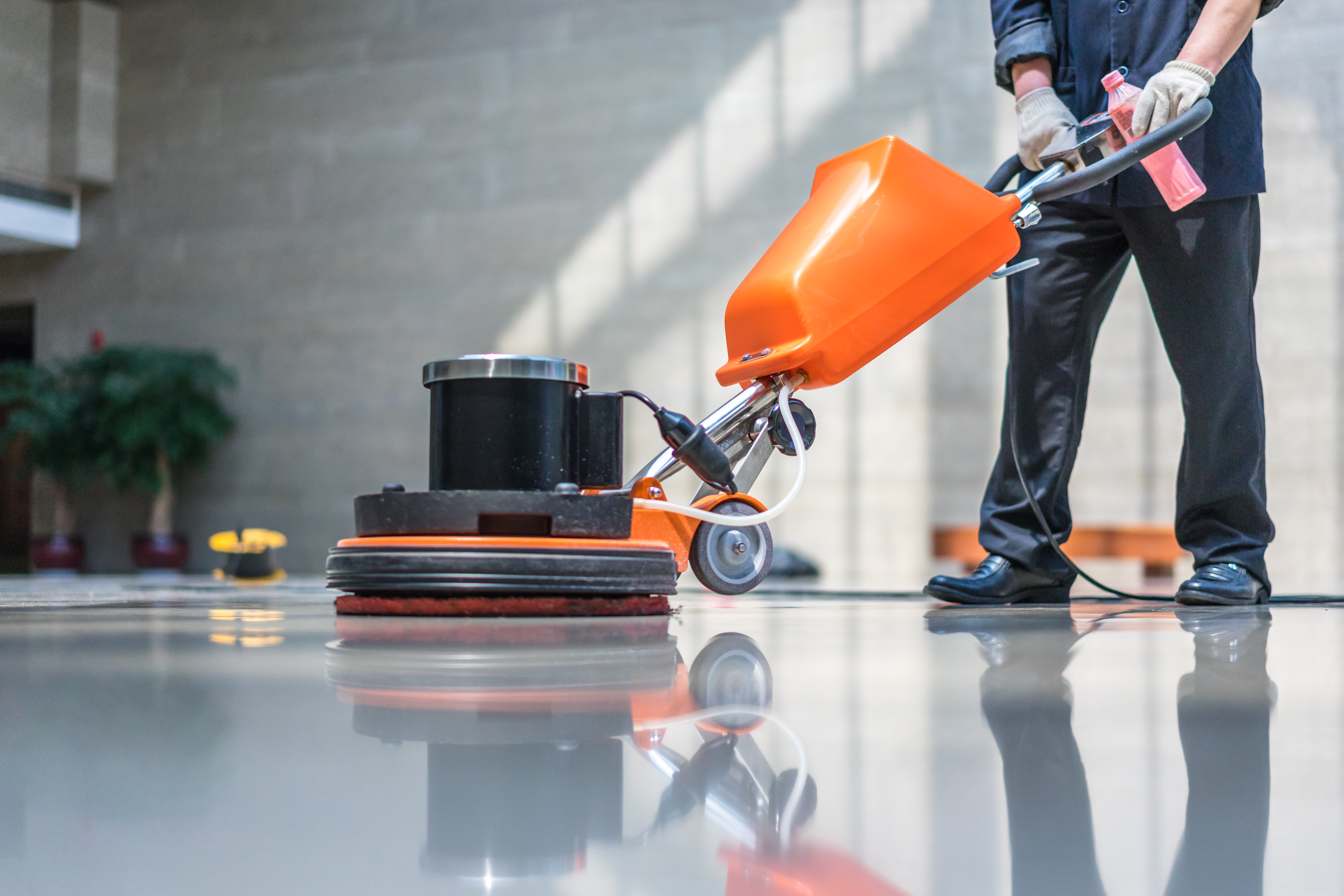



Each flooring material has its own maintenance requirements and cleaning techniques. For example, hardwood floors may require occasional refinishing and specialized cleaning products, while vinyl and laminate are easy to clean with regular sweeping and mopping. Concrete and natural stone, on the other hand, may need periodic sealing to maintain their appearance and durability. Follow manufacturer recommendations and utilize appropriate cleaning methods to preserve the integrity of your chosen flooring material.
Cleaning floors is a relatively easy DIY job, but paying for a professional cleaning service is worthwhile if you don’t have the time to dedicate to cleaning or if you have particularly dirty floors, deep-set stains, or wooden floors that you might damage during the cleaning process. A professional house cleaner will have the tools and experience necessary to remove dirt, pet hair, debris, and even stains and discoloration from your floors without damaging them. The service is also relatively affordable, making it a great investment if you don’t have the time or tools to do it yourself.
Professionals use various tools and cleaning solutions based on the type of floor they’re cleaning. They often use industrial steam cleaners to pull debris out of the carpet. For localized stains, they may use a commercial cleaner or a mixture of water, vinegar, and dish soap. For tile, they’ll typically use dish soap and hot water, plus a mixture of baking soda and hot water for the grout. For cleaning wood floors, they might use a low-heat steamer, a mop with an oil wood floor cleaner, or a mixture of hot water, vinegar, and lemon juice.
Clean your vinyl plank floors at least one to two times per week with a broom, vacuum, or microfiber mop. You can save the mopping and disinfecting for your deeper cleans about two to three times a month. Keep in mind that if you find sticky spots, spills, or stains, it's best to take care of them ASAP.
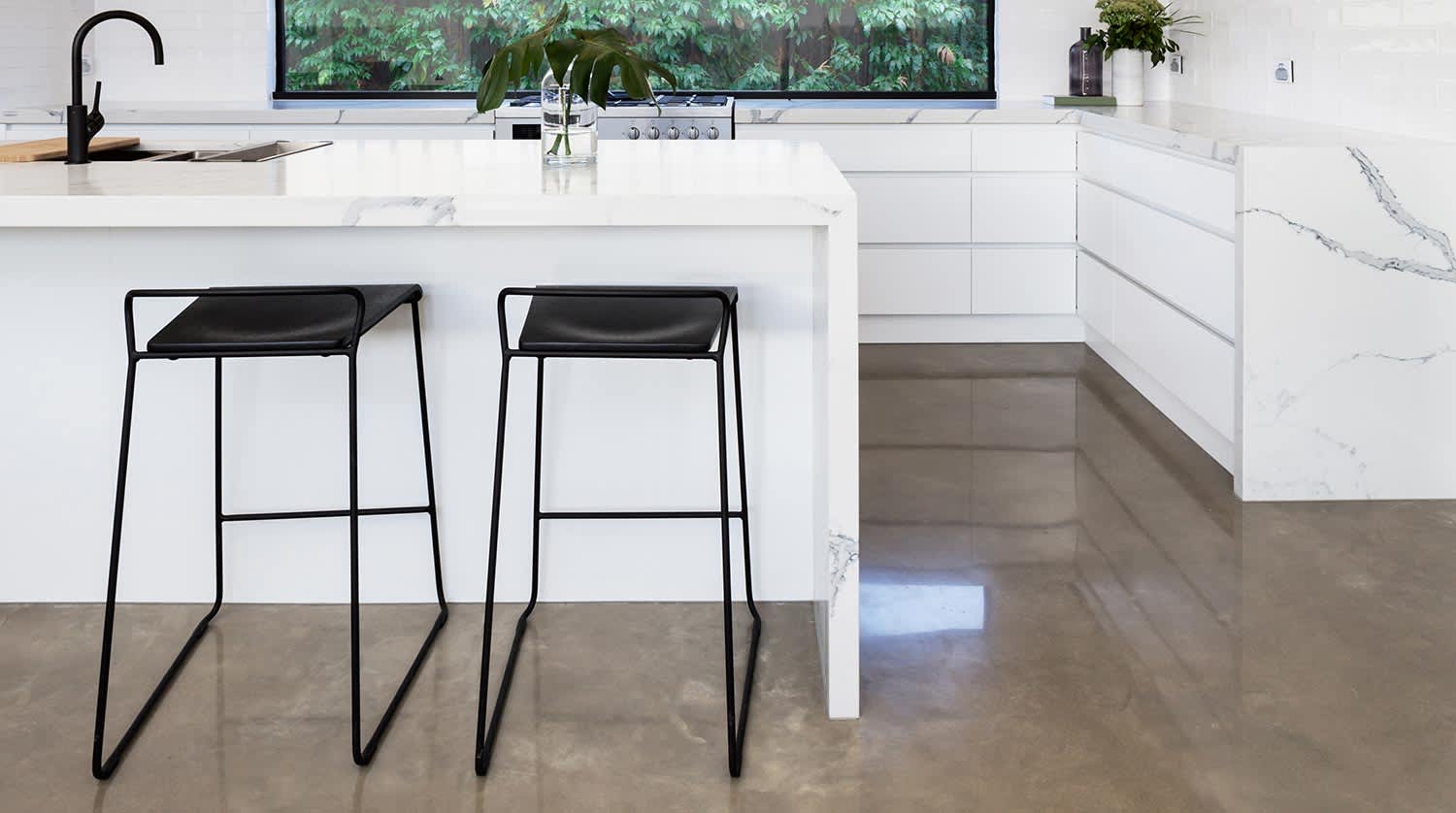
Yes, you can polish an existing concrete floor—as long as the slab is structurally sound and in good shape. In fact, that’s what makes this type of flooring upgrade so appealing. Polishing works best on bare concrete with minimal surface damage, although you can usually repair cracks and stains before the grinding and buffing begins. Instead of ripping out your existing concrete floor, polishing it can turn it into a high-shine showpiece that’s both practical and sleek.
The Pickford, MI homeowners’ guide to floor polishing services
From average costs to expert advice, get all the answers you need to get your job done.
Polished concrete floor costs depend on the size of the area you’re targeting and the style of concrete floor. Our guide breaks down all the cost factors.

Hardwood floor repair costs depend on the problem. This guide breaks down common costs based on factors like the type of problem, repair method, and whether you hire a pro or DIY.
Faced with the shiny dilemma of polished concrete floors vs epoxy, you’ll need the details of cost, aesthetics, and durability to weigh and measure the winner.
With so many types of polished concrete floors to choose from, you should first learn about the classes of grinding, levels of polishing, and color options.