









Top-rated weed maintenance pros.

Get matched with top weed maintenance pros in Lenox, MI

Enter your zip and get matched with up to 5 pros

Need a pro for your weed maintenance project in Lenox, MI?

Select your specific project to find the pro for you.

TRUSTED BY LENOX, MI HOMEOWNERS

  • Average homeowner rating star icon4.3
    Average homeowner rating
  • Verified reviews icon302
    Verified weed maintenance services reviews

Find Weed maintenance pros in Lenox

No results for Weed maintenance pro in

Try adjusting your search criteria.
Weed Services questions, answered by experts

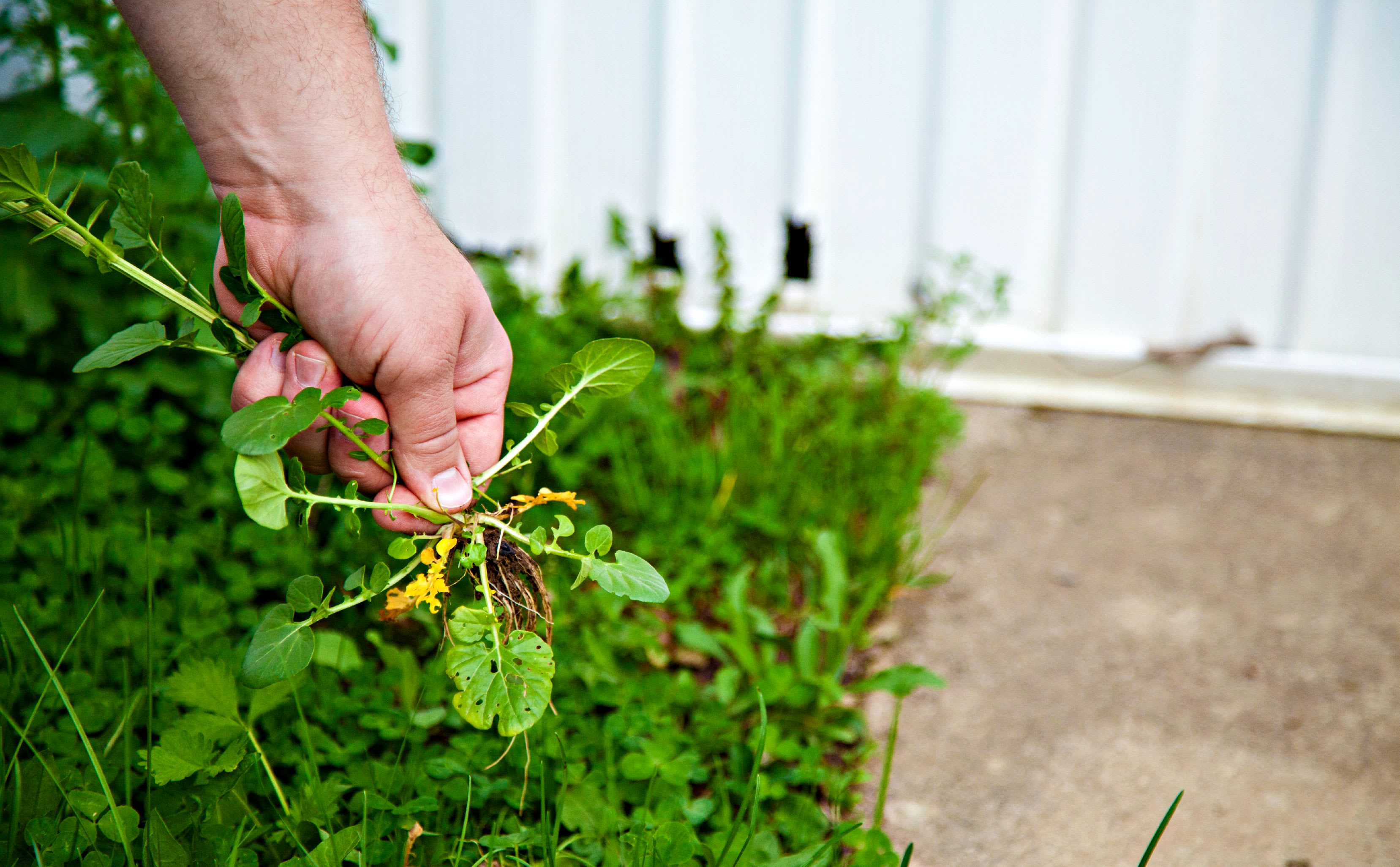
Weeds may grow back when pulled out if the root is not completely removed. Invasive weeds can regrow from just a small portion of remaining root, so using a weed-pulling tool can help ensure you remove the entire root. Weeds may grow back faster if roots aren’t fully removed, and incomplete removal could cause them to spread as well.

Adding vinegar to your lawn increases the acidity of the area, which can kill quack grass present above the ground. However, putting vinegar in your yard will also kill the grass. Unfortunately, the below-ground quack grass rhizomes remain very much alive in the presence of vinegar and will soon sprout again.

Johnsongrass and crabgrass are invasive weeds that can overtake your lawn. Crabgrass is a low-growing grass most often seen in lawns, flower beds, and vegetable gardens. While you may find Johnsongrass growing in your lawn, it will also grow in pastures, crop fields, and the edge of the road. Johnsongrass is much coarser than crabgrass. If left alone, Johnsongrass can grow up to 8 feet tall. 

Some of the particular herbicides that work best to get rid of nut grass without killing the grass include Halosulfuron-methyl, mesotrione, sulfentrazone, and metsulfuron. A herbicide like glyphosate would kill nutgrass, but it will kill nearby plants, too.

It’s not legal to intentionally damage a neighbor’s tree. Even if the roots of a tree encroach into your yard, if you damage or kill a tree that belongs to your neighbor, you can be held liable for the damage in most cases. Since herbicides can spread through the tree, causing damage to the whole tree and not just the roots that are on your side of the property line, you shouldn’t poison your neighbor’s tree. The other downside to this method is that if the tree dies, it can fall onto your property and cause more damage, so herbicides are best avoided in this circumstance.

The Lenox, MI homeowners’ guide to weed maintenance services

From average costs to expert advice, get all the answers you need to get your job done.