
Top-rated welders.

Best welders near Hanover, MI

Enter your zip and get matched with up to 5 pros

Need a pro for your welding project in Hanover, MI?

Select your specific project to find the pro for you.

Top-Rated Welders in Hanover - Updated Nov 2026

Wellman Welding LLC.
5.0(
1
)
Metal Structure or Object - Create CustomMetal Structure or Object - Weld or CutSheet Metal and Ornamental Metal - Fabricate+2 more

Serving Hanover, MI and surrounding areas

Approved

In business since 2024

Free estimates

Emergency services offered

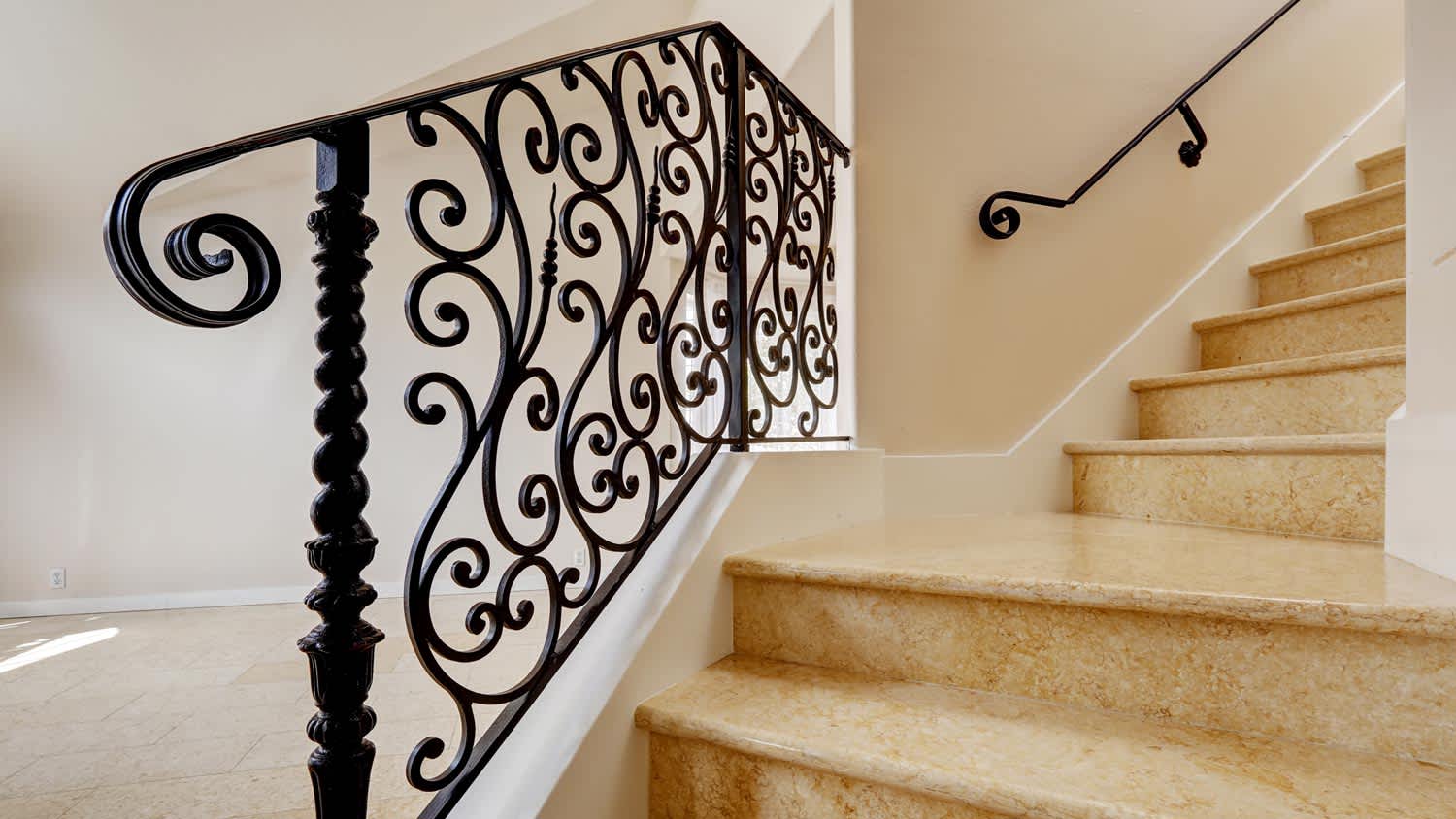
"Wellman Welding made a custom wrought iron railing for me, and did the most phenomenal job! It is so impressive and gorgeous! The owner of the company, Destin, Is timely and extremely respectful and communicates very well. I am beyond thrilled with his work, and will definitely hire him in the future."

Showing 1-10 of 35
Welding FAQs, answered by experts

Since water heaters are primarily made of metal, they’re commonly accepted by scrap yards and collectors. Don’t expect to fetch a high price, though—water heaters are mostly steel and aluminum, which aren’t high-value metals. Some components are made of more valuable metals, like brass and copper, but they’re a small portion of the heater and won’t affect the price much.

This all depends on the tools you have on hand and whether you’re trying to cut a straight line or shapes. 

The best tool to use for straight lines is either a circular saw or table saw. When cutting shapes, a jigsaw will be the easiest and most precise tool to use. 

The cost to weld aluminum averages about $14 to $22 per pound. The type of metal factors into the overall cost of any welding project due to the cost of the materials and the expertise required to work with it. Some of the most common metals used by welders include:

  • Magnesium alloy: $7–$16 per pound

  • Low-carbon steel: $11–$12 per pound

  • Stainless steel: $13–$15 per pound

  • Copper/brass: $24–$29 per pound

  • Cast iron: $38–$79 per pound

  • Titanium: $60–$85 per pound

Yes, you can use a saw to cut metal pipes. The best saw to use is a reciprocating saw, but even a fine-tooth hacksaw can get the job done. No matter which saw you use to cut metal pipes, wear protective gear, like work gloves, safety goggles, and ear plugs. Apply a firm, steady pressure to the tool, and always ensure the pipes are secured so they don't move while you make the cuts.

It will likely take an experienced pro less than an hour to install a ground rod, which is another reason why letting them handle the job is such a good idea. Safety concerns aside, it would likely take you much longer to install a ground rod if you decided to take this one as a DIY job.

The Hanover, MI homeowners’ guide to welding services

From average costs to expert advice, get all the answers you need to get your job done.