




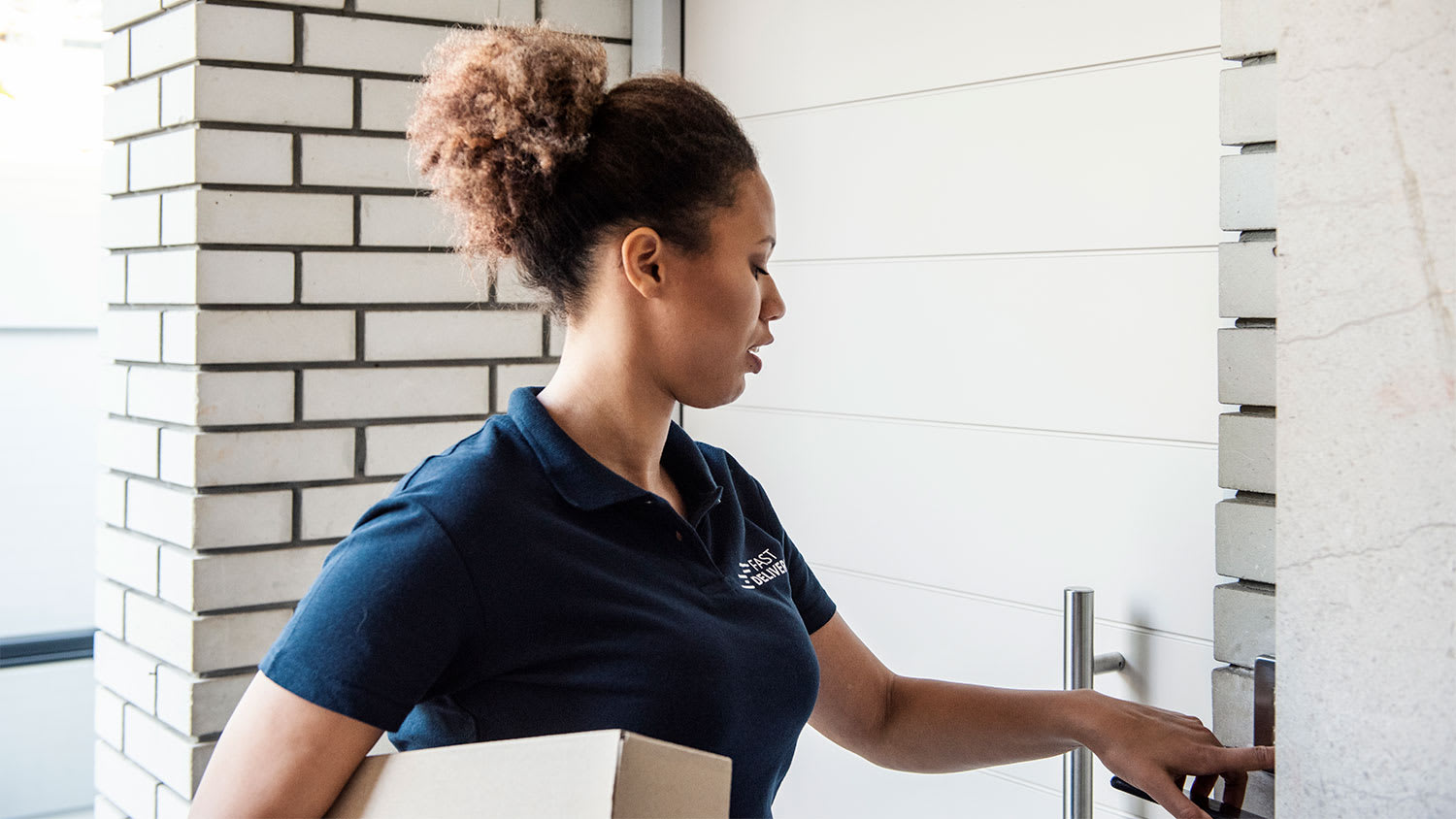
Top-rated doorbell installation pros.

Get matched with top doorbell installation pros in Georgetown, MI

Enter your zip and get matched with up to 5 pros

Need a pro for your doorbell installation project in Georgetown, MI?

Select your specific project to find the pro for you.

TRUSTED BY GEORGETOWN, MI HOMEOWNERS

  • Average homeowner rating star icon4.4
    Average homeowner rating
  • Verified reviews icon780
    Verified doorbell installation services reviews

Find Doorbell installation pros in Georgetown

No results for Doorbell installation pro in

Try adjusting your search criteria.
Doorbell Installation questions, answered by experts

Unfaced wall insulation is easier to cut and install, making it the better choice for a DIY project. It’s also more affordable. But if it’s unfaced, you’ll likely need to add a vapor barrier to reach your desired R-value and efficiency, as it doesn’t offer any moisture barrier.

Faced insulation uses paper or foil to create a built-in barrier and doesn’t require an extra step. It’s also more fire-resistant and safe. But it’s quite a bit more expensive and a little bit harder to work with as a DIYer.

The primary downside of radiant barriers is their limited effectiveness in cold climates. They are designed to reflect radiant heat, making them less beneficial in cooler conditions where heat retention is more important. 

Radiant barriers require proper installation to maximize effectiveness. Incorrect placement can lead to minimal benefits. They also do not provide insulation, meaning they should be used in conjunction with traditional insulation for optimal energy efficiency. 

Radiant barriers and insulation serve different purposes, so one is not inherently better than the other. Radiant barriers reflect radiant heat, helping keep spaces cool, especially in hot climates, while insulation slows heat transfer through conduction. For optimal energy efficiency, it’s best to use both together. 

Radiant barriers can enhance the performance of insulation by preventing heat gain in the summer and heat loss in the winter. The choice between them depends on specific climate conditions and the building’s design requirements.

Yes, insulating ductwork in a crawl space is a worthwhile investment, especially if you live in a colder climate or run your air conditioning for most of the year. Uninsulated ducts can lose up to 30% of their heating and cooling efficiency, which can significantly impact your electricity bill. The project is a relatively small investment and typically only takes a few hours. It's a particularly simple add-on if you are already hiring someone to insulate the entire crawl space. An added benefit is that insulated ducts put off less hot or cold air, making them less attractive to pests.

Structural insulated panels and rigid foam boards have the highest R-value of any insulation that contractors commonly use, with R-values reaching up to around 8.0. These types of insulation are best in extremely cold climates, but they’re generally preferred for new construction, as they can be challenging to retrofit. Blown-in and loose fill insulation provide the next best insulative value, provided the installation is done properly. It’s important to choose an insulation type that meets your needs based on climate, as maximizing R-value may not always be financially worthwhile if you live in a moderate climate.

The Georgetown, MI homeowners’ guide to doorbell installation services

From average costs to expert advice, get all the answers you need to get your job done.