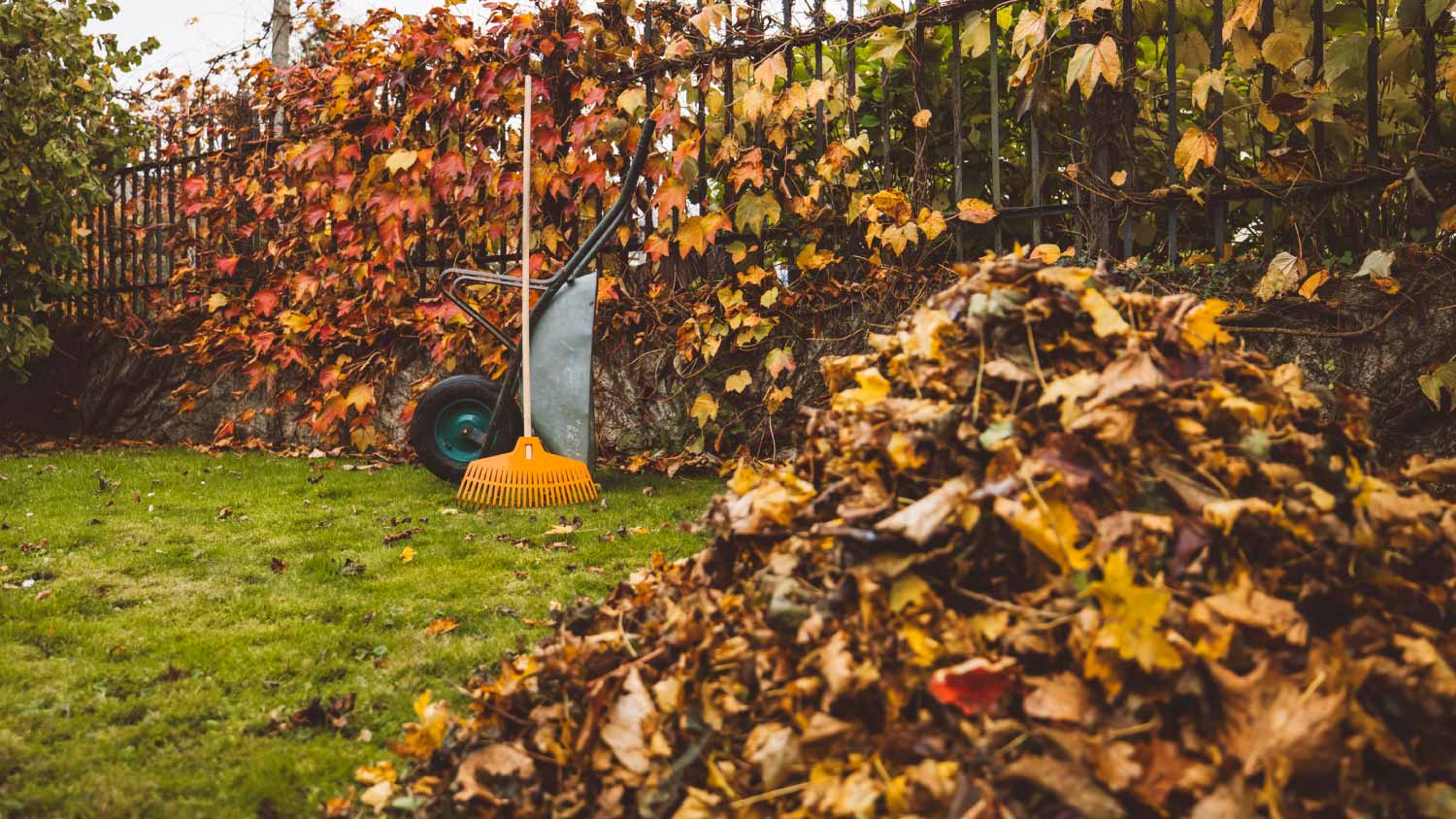
Top-rated leaf removal pros.

Best leaf removal pros near Beverly Hills, MI

Enter your zip and get matched with up to 5 pros

Need a pro for your leaf removal project in Beverly Hills, MI?

Select your specific project to find the pro for you.

TRUSTED BY BEVERLY HILLS, MI HOMEOWNERS

  • Average homeowner rating star icon4.2
    Average homeowner rating
  • Verified reviews icon115
    Verified leaf removal services reviews

Top-Rated Leaf removal pros in Beverly Hills - Updated Nov 2026

Avatar for Best Handyman
Best Handyman
4.7(
90
)
Waste, Junk, Building Materials and Debris - Remove and Haul

Serving Beverly Hills, MI and surrounding areas

Approved

In business since 2011

Free estimates

Credit card accepted

"I hired Rico to power wash my driveway and sidewalks before the house was put up for sale. He arrived on time and worked steadily. The drive had been badly stained black by leaves over the years and was a real challenge. The stains were gone and the pictures turned out great. Thank you Rico!"
Response time2 days
Response rate95%
5 neighbors recently requested a quote
...
Showing 1-10 of 676
Leaf Removal FAQs, answered by experts

While not all homes built before 1978 contain lead paint, enough do, so you’ll still want to test to be on the safe side. The federal government banned lead-based paint for homes in 1978, but your state may have banned lead before that time. Around 24% of homes built between 1960 and 1977 contained lead-based paint, while 87% of homes built before 1940 contained lead-based paint.

If your home was built before 1978, there’s a chance that any paint on your hardwood floors could be lead paint—especially if it was already there when you moved in. Because lead is toxic, hiring a licensed pro to remove it is mandatory. The average price for professional lead paint removal ranges from $1,500 to $5,300 and depends on the scope of the project.

If lead is detected in a property, steps should include arranging for professional removal or containment, notifying all occupants, and implementing interim safety measures to reduce exposure.

According to the Environmental Protection Agency (EPA), hazardous waste is generally classified into four main categories:

1. Characteristic Wastes: These exhibit at least one of four hazardous traits: ignitability (flammable, like gasoline), corrosivity (can rust or decompose materials, like car batteries), reactivity (unstable and can explode, like aerosol cans), or toxicity (harmful when ingested, like lead-based paint).

2. Listed Wastes: These are specific wastes from manufacturing and industrial processes that the EPA has officially designated as hazardous. They include byproducts from processes that use solvents, pesticides, and other chemicals.

3. Universal Wastes: These are commonly generated hazardous items that are subject to streamlined regulations. Examples include batteries, pesticides, mercury-containing equipment (e.g., bulbs), and some lamps.

4. Mixed Wastes: This category includes waste that contains both hazardous and radioactive components, making it subject to regulation by both the EPA and the Nuclear Regulatory Commission.
You can paint over lead paint, or “encapsulate” it with a special paint that includes an ingredient called an encapsulant. The EPA approves encapsulation as a lead paint removal method as long as the paint remains undisturbed. Standard types of paint without an “encapsulant” from the big box stores or hardware stores do not meet EPA standards for remediation of lead-based paint.
The Beverly Hills, MI homeowners’ guide to leaf removal services

From average costs to expert advice, get all the answers you need to get your job done.