


Top-rated energy efficiency auditors.

Get matched with top energy efficiency auditors in Bad Axe, MI

Enter your zip and get matched with up to 5 pros

Need a pro for your energy efficiency auditing project in Bad Axe, MI?

Select your specific project to find the pro for you.

Find Energy efficiency auditors in Bad Axe

Avatar for USA Insulation of Detroit
USA Insulation of Detroit
4.1(
123
)
Home Energy Audit

Serving Bad Axe, MI and surrounding areas

Approved

In business since 1977

Free estimates

Warranties offered

"Another contractor had moved things around so much, that it botched my previously scheduled insulation appointment with another insulation company. In a panic, I reached out and was properly given an estimate work completed within days. They arrived earlier than first estimated and that was more than welcome. Handled with care and our property was protected and insulated with care."
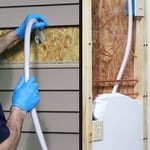
USA Insulation Premium Foam
Air Sealing
Blown-In Insulation
Response time1 day
99 neighbors recently requested a quote
Recommended by77%of homeowners

Energy Efficiency Auditing questions, answered by experts

An average, 400-square-foot electric heated driveways consume approximately $3 per hour in terms of electricity. The price may slightly fluctuate depending on your local energy cost. A simple formula to calculate your heated driveway’s total wattage consumption is by multiplying the square footage by 50 watts and then dividing it by 1,000 to get the kilowatt number. Multiply that with your local energy cost per hour and there you have the hourly operating cost.

Dehumidifiers typically use 300 to 700 watts of electricity per hour, whereas portable dehumidifiers use about 40 watts per hour. The exact amount of electricity your dehumidifier will generate depends on its capacity and energy efficiency. Generally, higher-capacity dehumidifiers generate more electricity than lower-capacity units, but they also usually have better energy efficiency over the long run.

STC (Sound Transmission Class) is a rating that describes how well a building material or assembly blocks airborne sound. A higher STC rating means less noise will pass through the material, providing better sound reduction. This rating system applies to various building components, including windows, doors, flooring, drywall, and insulation.

For context, a typical single-pane window has an STC rating of around 25 (where normal conversations are audible), while a well-sealed, double-pane window can exceed STC 45 (blocking loud speech and most music). It is important to note that for some products, like soundproofing drywall, the STC rating refers to the entire wall system, not just the individual panel.

Additionally, STC ratings are most effective for measuring sound reduction at mid-to-high frequencies, such as human speech, and may not accurately reflect how well a material blocks low-frequency sounds like bass music or thunder. Because of these factors, it is recommended to consult a professional to determine the right STC-rated materials for your specific soundproofing needs.

Yes, including optimizing settings and suggesting upgrades if needed.

A good SEER rating for an HVAC system is typically between 15 and 20. However, minimum requirements vary by location; HVAC systems in northern states must have at least a 14 SEER rating, while those in southern states need a minimum of 15. For the highest possible efficiency, look for units with a SEER rating of 21 or higher. It's important to remember that a SEER rating represents the maximum efficiency a unit can achieve, not the level at which it will operate at all times.

The Bad Axe, MI homeowners’ guide to energy efficiency auditing services

From average costs to expert advice, get all the answers you need to get your job done.