




Top-rated aquarium service pros.

Best aquarium service pros near Bad Axe, MI

Enter your zip and get matched with up to 5 pros

Need a pro for your aquarium service project in Bad Axe, MI?

Select your specific project to find the pro for you.

TRUSTED BY BAD AXE, MI HOMEOWNERS

  • Average homeowner rating star icon4.7
    Average homeowner rating
  • Verified reviews icon21
    Verified aquarium services reviews

Top-Rated Aquarium service pros in Bad Axe - Updated Nov 2026

Avatar for Schlicht Excavating
Schlicht Excavating
New to Angi
Water Feature - Install a Pond

Serving Bad Axe, MI and surrounding areas

Approved

In business since 2012

Free estimates

We are dedicated to providing our clients with the very best in helping them create their dream yard with a quality fishing/swimming pond. We specialize in residential and commercial services and take pride in the attention to detail put into each pond we build. We're known for our quality work and the integrity of our business. We look forward to building long-term relationships with our clients, and guarantee your satisfaction. We are the #1 pond digging company in Michigan. We also do lake dredging. We have been in business for 12 years.
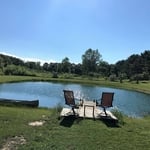
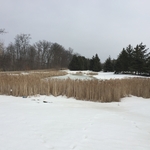
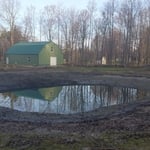
New Pond
Pond Clean Out
After the pond clean out
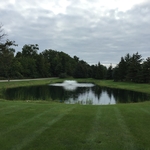
Clio, MI Pond
Response time2 days
Aquarium Services FAQs, answered by experts

The best times of year to empty or pump a septic tank are spring and fall. Many professionals recommend spring because the ground has thawed, making the tank easier to access and the waste less likely to be frozen. Pumping before summer also helps avoid conflicts with vacations or outdoor gatherings. Fall is another great option, as contractors may be less busy, and servicing the tank can reduce the risk of overflow from winter and spring precipitation. While summer is also a suitable time, winter is generally not recommended due to frozen ground.

A leach field can take several days or weeks to dry out, even with help from additives designed to improve bacterial activity and promote draining. Because of the risks to health and the potential for wastewater to run off into drinking water sources, it’s better to hire a pro to fix a saturated drain field than try to wait for it to dry out.

A septic system's lifespan typically ranges from 15 to 40 years, with a common average of 20 to 30 years. The longevity heavily depends on the tank's material, maintenance diligence, and usage habits. With proper care, lifespans can reach the upper end of this range.

Lifespan by Tank Material:

  • Concrete: 20 to 40 years

  • Plastic or Fiberglass: 30 to 40 years

  • Steel: 15 to 20 years

To maximize your system's lifespan, follow these maintenance best practices:

  • Regular Pumping and Inspections: Have the tank pumped every three to five years and schedule professional inspections regularly.

  • Mindful Usage: Only flush human waste and toilet paper. Avoid putting items like cat litter, paper towels, cigarette butts, fats, grease, oils, or coffee grounds down your drains.

  • Avoid Chemicals: Do not pour harsh chemicals into the system.

  • Water Conservation: Reduce the amount of wastewater your system has to process.

  • Protect the Drain Field: Avoid driving or building heavy structures over the drain field area.

When septic systems begin to fail, your waste will start to seep into the groundwater. You may notice a foul odor (it’ll smell like sewage) or a squishy, moist lawn. The grass right over your tank or drain field might grow super lush and green because your waste actually fertilizes it. Other signs include standing water in your drain field, slow-draining sinks and tubs, and gurgling noises in the plumbing.

Some flushable wipes companies say they are designed to disintegrate within a few hours to a few days after being flushed. These wipes allegedly use materials that are more water-soluble than traditional wipes. However, many experts have raised concerns that even so-called "flushable" wipes do not break down as easily as claimed and can contribute to clogs and blockages in sewer systems.

To prevent plumbing and sewer problems, avoid flushing wipes, even those labeled as flushable. Instead, dispose of them in the trash. This can help prevent costly plumbing issues and reduce the strain on wastewater treatment systems.

The Bad Axe, MI homeowners’ guide to aquarium services

From average costs to expert advice, get all the answers you need to get your job done.