I pride myself on my professionalism, as well as my ability to complete
\nevery job to the homeowner's total satisfaction. I never leave a job
\nunfinished, or a homeowner not 100% satisfied with my level of service -
\nCall today!
When pests show up, so do we.\n\nFor nearly a century, Terminix® has been one of America's most trusted names in pest control. Every day, our exterminators serve thousands of homes and businesses nationwide, combining national service with local knowledge to provide best-in-class, proactive pest management solutions. We stop problems before they start and respond quickly if issues arise, keeping your property protected.\n\nAnd for extra peace of mind, if pests come back, so do we — guaranteed.\n\nThe Terminix It Guarantee means that if pests come back, so do we, to re-treat at no additional cost. No excuses, just a commitment to care for your home like it's our own with protection you can trust.
"Bob is a miracle worker. We tried everything we could think of to get rid of rats in our yard, including a visit from a well known national pest control company. Nothing worked. Bob came, worked his magic, and viola! - no more rats. He is pleasant, prompt, reasonable and gets the job done."
Lockhart's specializes in safe and humane removal of wildlife. Every year we assist clients with various problems. Anything from mice in the house, squirrels living in chimneys, coyote getting too tame, to major porcupine damage to trees. If you have any problems with critters, don't put yourself in danger, CALL US! We also provide home inspections to reassure homeowners that critters are not causing damage to your property or living inside your living space.
\nPlease be safe folks, wild animals are exactly that.....WILD!!!
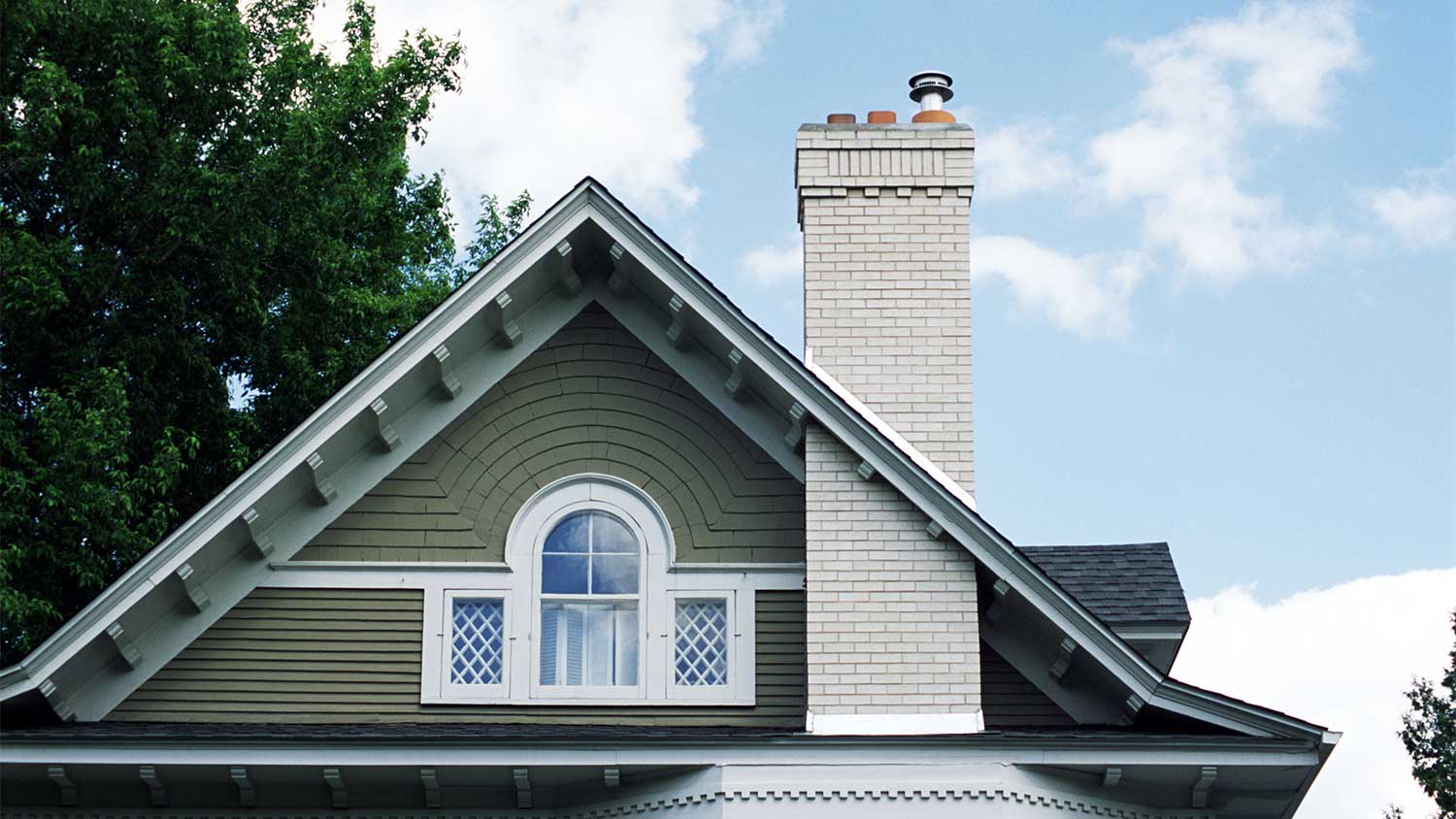
Some animals, such as bats or birds, will be able to get out of chimneys on their own since they can fly. Other animals, however, may have a harder time and will require the help of a professional to escape. Squirrels and raccoons in particular may become stuck inside a chimney, especially if you have a buildup of soot or creosote inside. This can prevent them from being able to climb out, in which case you’ll need to call an animal control expert to help remove them.
If you’ve had a prior bat infestation or simply want to avoid having bats invade your home in the first place, there are a few steps you can take without the need for a pro.
Seal entry points, such as where your chimney meets your house, or other gaps or holes exist.
Use bat deterrents like bright lights or ultrasonic devices to force them away from your home.
Reduce bat attractions like standing water and bird nectar feeders inviting bats into your yard.
There are DIY methods and store-bought pesticides available for the public to use. However, these pesticides also come with a risk, and you need to follow the directions correctly and take precautionary measures to prevent exposure to these chemicals. These methods may be an option for small pest problems, but you should call in a pest control specialist for persistent pests and infestations.
Generally, spring is the best time to hire a pest control service, but it also depends on when you notice the infestation. Insect pest numbers are lower in spring before they hatch, making the extermination and prevention process more manageable as nests and eggs of future pests are eliminated. However, don’t hesitate to hire a pest control specialist when you spot signs of a problem.
No single deterrent will work 100 percent of the time, so we suggest combining deterrents to ensure your seed has the best possible chance to grow. Using bird netting over your seed, with physical deterrents like mylar tape coupled with hanging bird feeders at the edges of your growing area—and removing any bird’s nests, if possible—will give your seeds the best possible chance for success.
The Washington, ME homeowners’ guide to bird control services
From average costs to expert advice, get all the answers you need to get your job done.
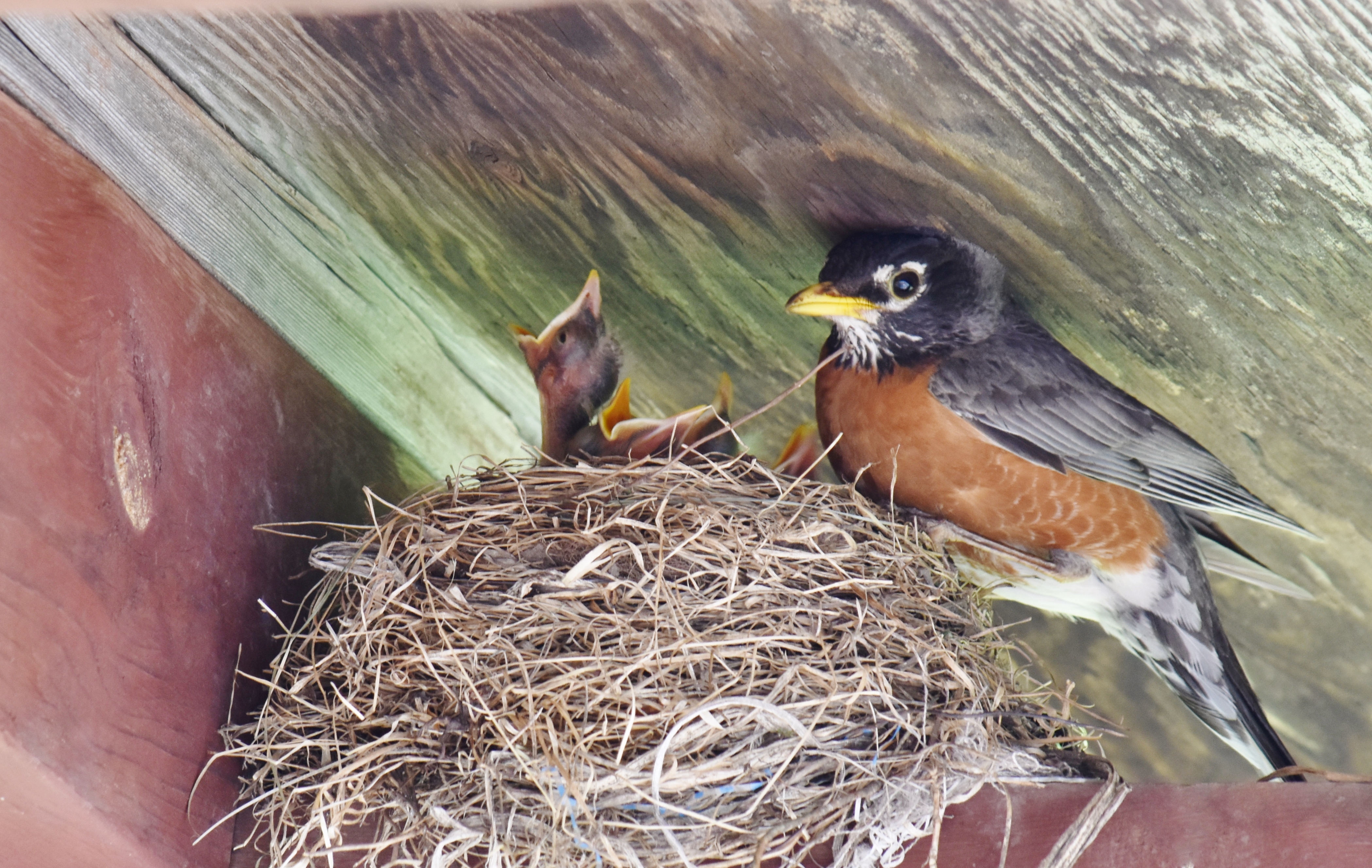
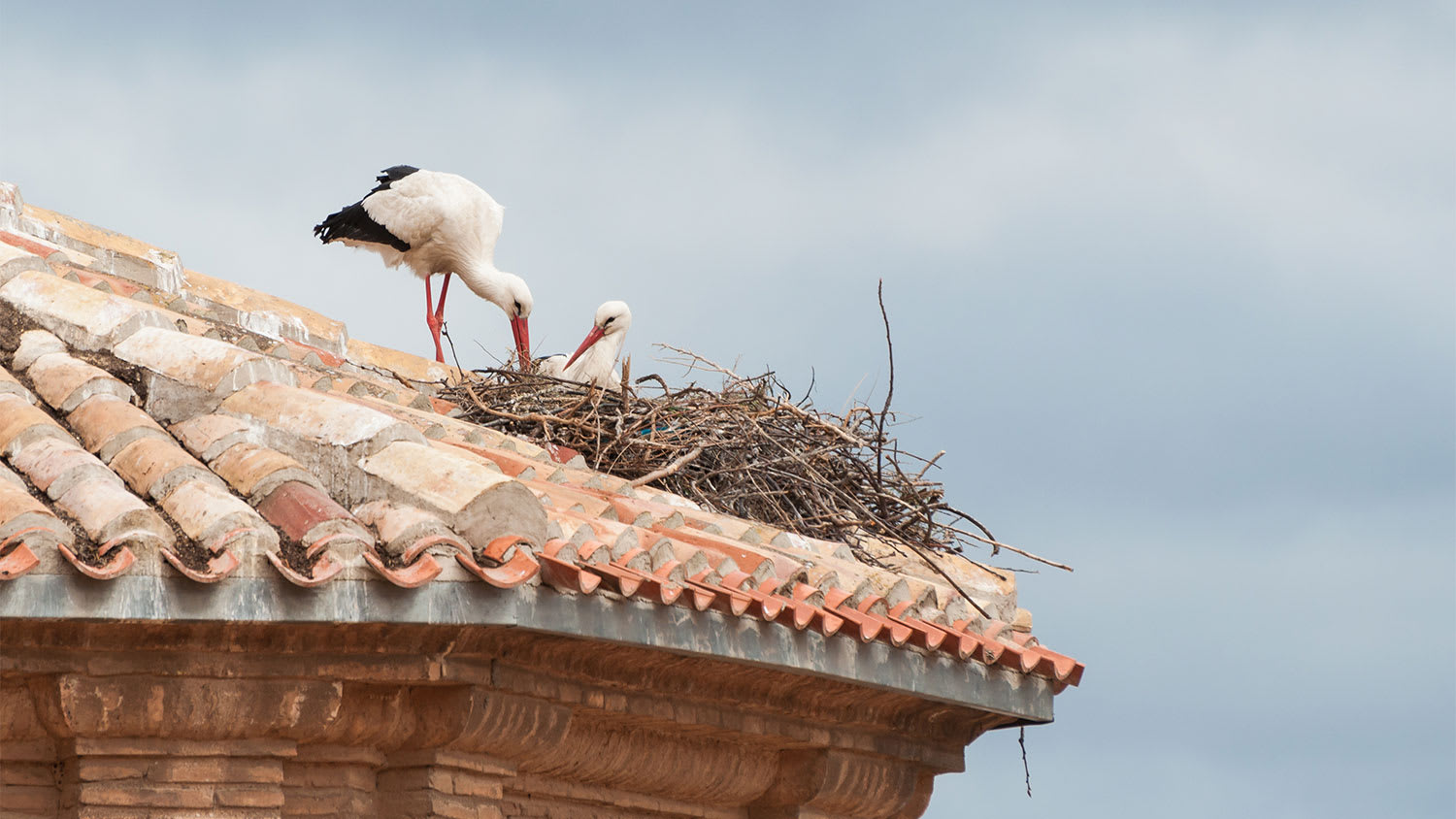
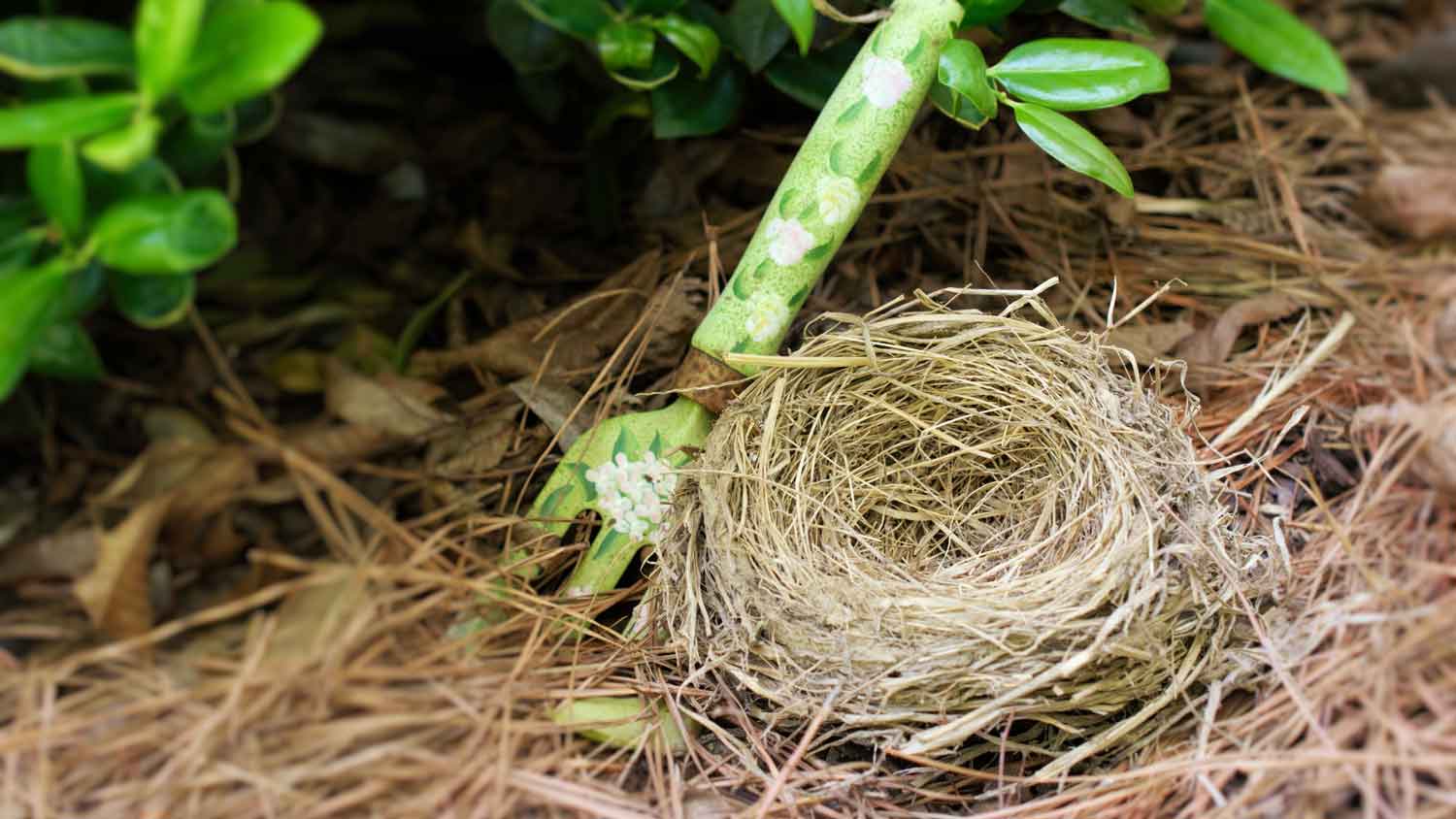
Sometimes birds nest in unwelcome places. Find out how much bird nest removal will cost based on factors like location, bird species, and preventative measures.