




Top-rated bird control service pros.

Get matched with top bird control service pros in Tremont, ME

Enter your zip and get matched with up to 5 pros

Need a pro for your bird control service project in Tremont, ME?

Select your specific project to find the pro for you.

Find Bird control service pros in Tremont

Avatar for IPM Pest & Wildlife Services
IPM Pest & Wildlife Services
5.0(
17
)
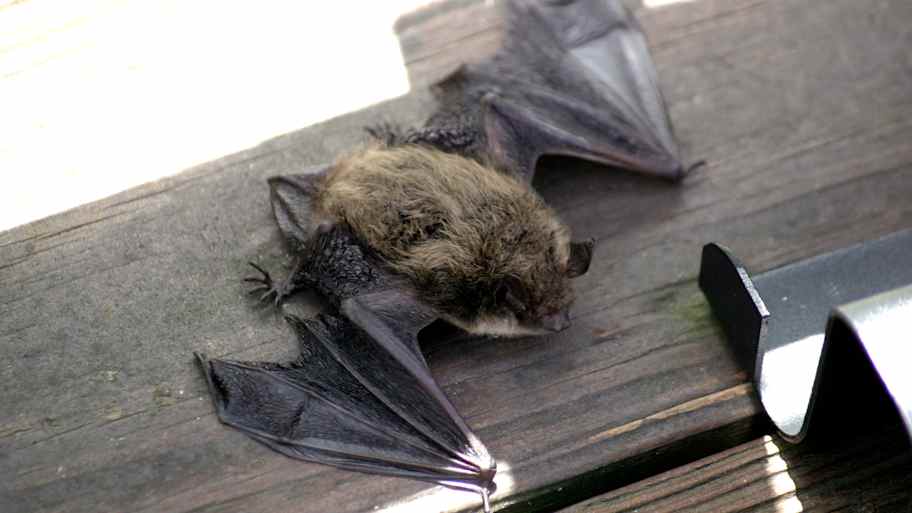
Pest Control - Birds and Bats

Serving Tremont, ME and surrounding areas

In business since 1998

Free estimates

Emergency services offered

"Bob is a miracle worker. We tried everything we could think of to get rid of rats in our yard, including a visit from a well known national pest control company. Nothing worked. Bob came, worked his magic, and viola! - no more rats. He is pleasant, prompt, reasonable and gets the job done."
Fisher
Pest Control
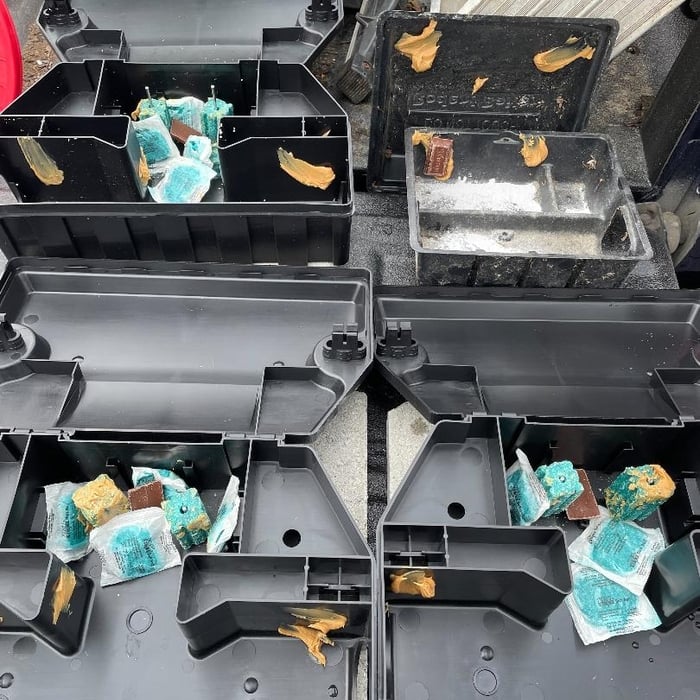
Rodent bait stations
Pest Control
Pest Control

+1

Response time5 hrs
Response rate100%
Recommended by100%of homeowners
Bird Control questions, answered by experts

Some birds of prey, like owls, hunt at night. Hawks are diurnal and need good light to see their prey. You could see them circling anytime from dawn to dusk. Species like the common red-tailed hawk are most active in the early morning and late evening when their prey is also typically on the go.

Birds eat grass seed for one simple reason—it’s delicious! The seeds are rich in nutrients such as carbohydrates, proteins, and fats. Seeds are also high in energy, so humans eat trail mix loaded with seeds and nuts for long-distance activities. Grass seed, when unprotected, is also exceptionally easy to access.

Signs include visible nests, droppings, frequent loud noises, or structural damage caused by these animals, indicating a need for pest control intervention.

Professional pest control services for birds and bats prevent property damage, preserve health standards by avoiding the buildup of droppings, and ensure humane removal and prevention techniques.

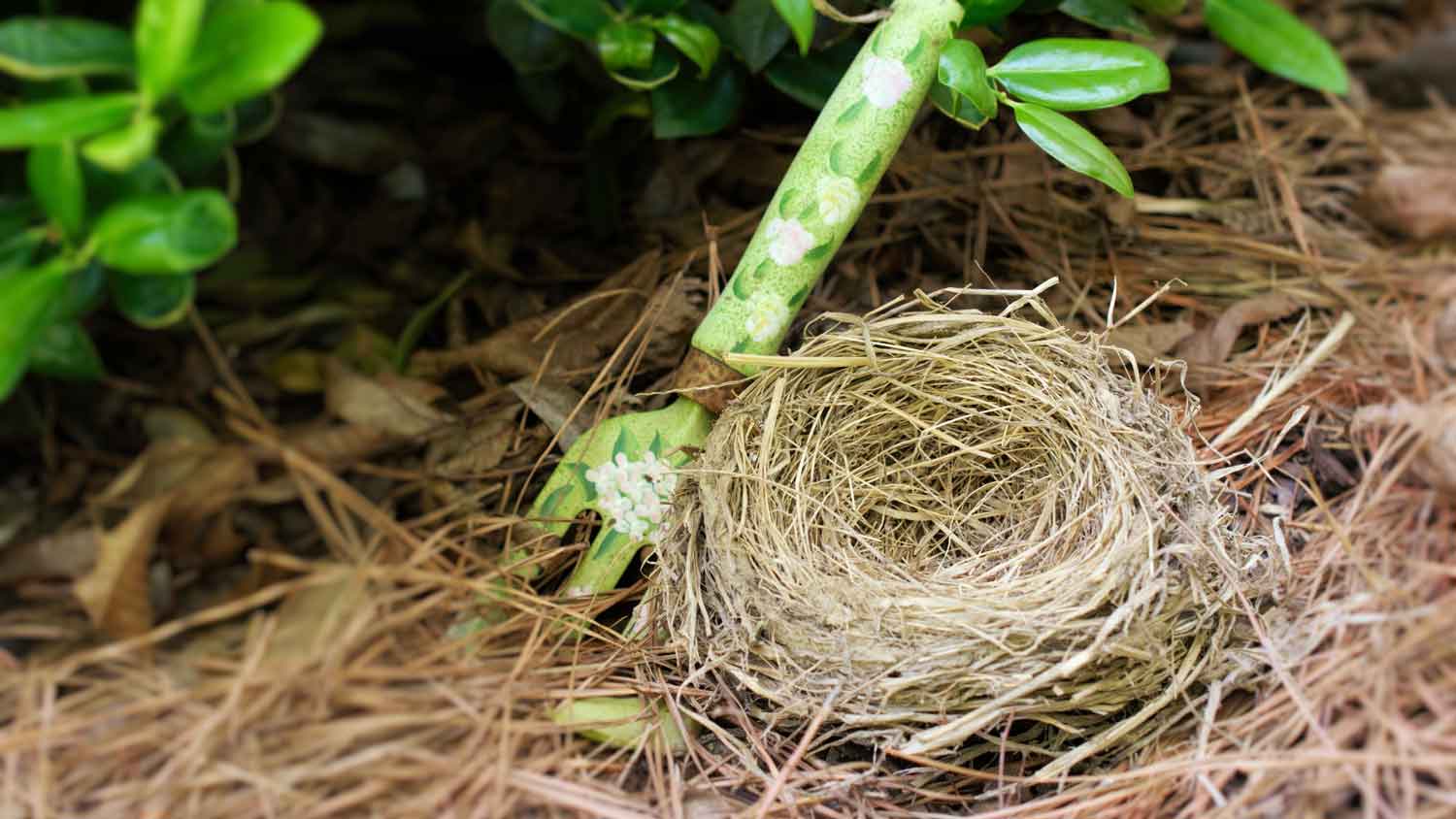
The lifespan of a bird's nest depends on the species. The building process can take from two days to three weeks. Once built, the nesting period for baby birds can last from two to ten weeks before they leave the nest. While most young birds are ready in two to six weeks, some predatory species may need up to two and a half months. Some species nest four to five times per year, so a nest could remain in use for several months. For specific information about a particular nest's longevity, it is best to consult a wildlife professional.

The Tremont, ME homeowners’ guide to bird control services

From average costs to expert advice, get all the answers you need to get your job done.