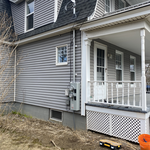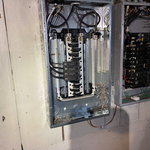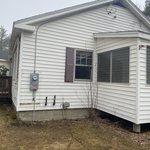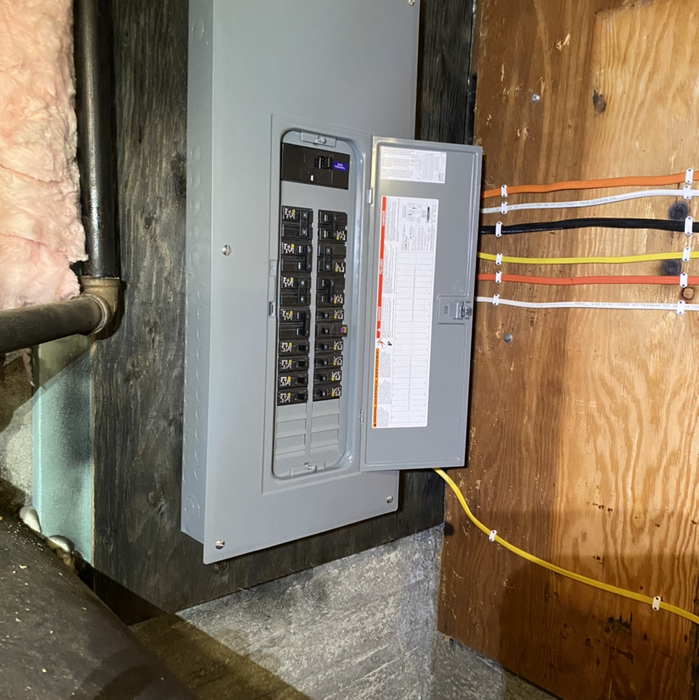


Top-rated energy efficiency auditors.

Get matched with top energy efficiency auditors in Readfield, ME

Enter your zip and get matched with up to 5 pros

Need a pro for your energy efficiency auditing project in Readfield, ME?

Select your specific project to find the pro for you.

Find Energy efficiency auditors in Readfield

Avatar for Maine Homes & Property Inspections
Maine Homes & Property Inspections
New to Angi
Home Energy AuditEnergy Audit - For Business

Serving Readfield, ME and surrounding areas

Approved

In business since 2024

Credit card accepted

Offers commercial services

We pride our company on reliability, great communication, integrity, and quality work. We are experts in our trade and will do our best to keep you as educated as we can on your particular task or project. We look forward to earning your business! \n \n \n \n \n \nOur mission at Maine Homes & Property is to continue the growth of our business by doing right by all of our clients. We love seeing that one of a kind smile on a home owners face at the end of a project! Maine Homes & Property stacks up with the competition and surpasses it with competitive prices, second to none workmanship and a prompt/responsive team! We give you quality that you can measure, and a finished product that will enhance your home forever. Call us today!

11 neighbors recently requested a quote
Energy Efficiency Auditing questions, answered by experts

No, it isn’t necessary to have energy-efficient windows. However, if you care about your energy bill and making your windows more energy efficient, fixing any heat, UV, or air transfer issues is an excellent way to lower your bills and keep your house cooler in the summer and warmer in the winter.

Leaving vents open but closing doors in unused rooms will probably not save money on your energy bill. Closed doors prevent the natural flow of air throughout the home, which could reduce the efficiency of the overall HVAC system. They could also restrict airflow into and through the return vents, making the HVAC system less efficient.

Yes, these services often increase home value by preventing moisture-related issues and enhancing the usable space in basements or crawlspaces.

To determine the right size generator for your house, you should calculate the total wattage of the appliances and devices you want to power during an outage. List all essential items, note their start-up wattages, and add them together.

Here are some typical wattage requirements for common appliances:

  • Refrigerator: 600 watts

  • Large dehumidifier: 700 watts

  • Large window air conditioner: 1,400 watts

  • Water heater: 3,000 to 4,500 watts

  • Electric furnace: 5,000 to 25,000 watts

A 7,500-watt generator might be sufficient for essentials like a refrigerator, freezer, well pump, and lighting circuits. However, for high-demand items like a water heater or furnace, a whole-home generator is a better choice. A portable generator may be enough if you only need to power a few critical items.

While home square footage can offer a rough estimate, it is not always a reliable indicator. For reference, here are some typical generator sizes based on square footage:

  • 1,000 sq ft: 6–9 kW

  • 1,500 sq ft: 7–10 kW

  • 2,000 sq ft: 10–14 kW

  • 2,500 sq ft: 12–16 kW

  • 3,000 sq ft: 16–20 kW+

For the most accurate sizing, consult a professional who can calculate your home's peak and average power consumption and recommend the optimal generator.

R-value is calculated by dividing the thickness of an insulation material by its thermal conductivity. The material's composition and density influence thermal conductivity. Materials with lower conductivity values provide better insulation. The higher the R-value, the better the material is at insulating, helping homeowners select insulation that meets the energy needs of their climate and home layout.

The Readfield, ME homeowners’ guide to energy efficiency auditing services

From average costs to expert advice, get all the answers you need to get your job done.