







Top-rated lead testing and removal specialists.

Best lead testing and removal specialists near Lowell, ME

Enter your zip and get matched with up to 5 pros

Need a pro for your lead testing and removal project in Lowell, ME?

Select your specific project to find the pro for you.

Top-Rated Lead testing and removal specialists in Lowell - Updated Nov 2026

Avatar for Bangor Abatement, Inc.
Bangor Abatement, Inc.
4.5(
2
)
Toxic Lead - Abatement

Serving Lowell, ME and surrounding areas

Approved

In business since 2001

Free estimates

Emergency services offered

"They did a good job especially considering how brittle my old siding had become over the years. I’m pleased with their work and the price was right. I plan to hire them to do a couple more small jobs that I’m to old to do myself."
6 neighbors recently requested a quote

Lead Testing and Removal FAQs, answered by experts

Determining if your water main contains lead involves a few steps. First, check the age of your property, as homes built before the 1980s might have lead pipes. Contact your water utility company for information on your service line material. Then, you can hire a professional plumber to conduct an inspection or use a lead testing kit to analyze water from the main line.

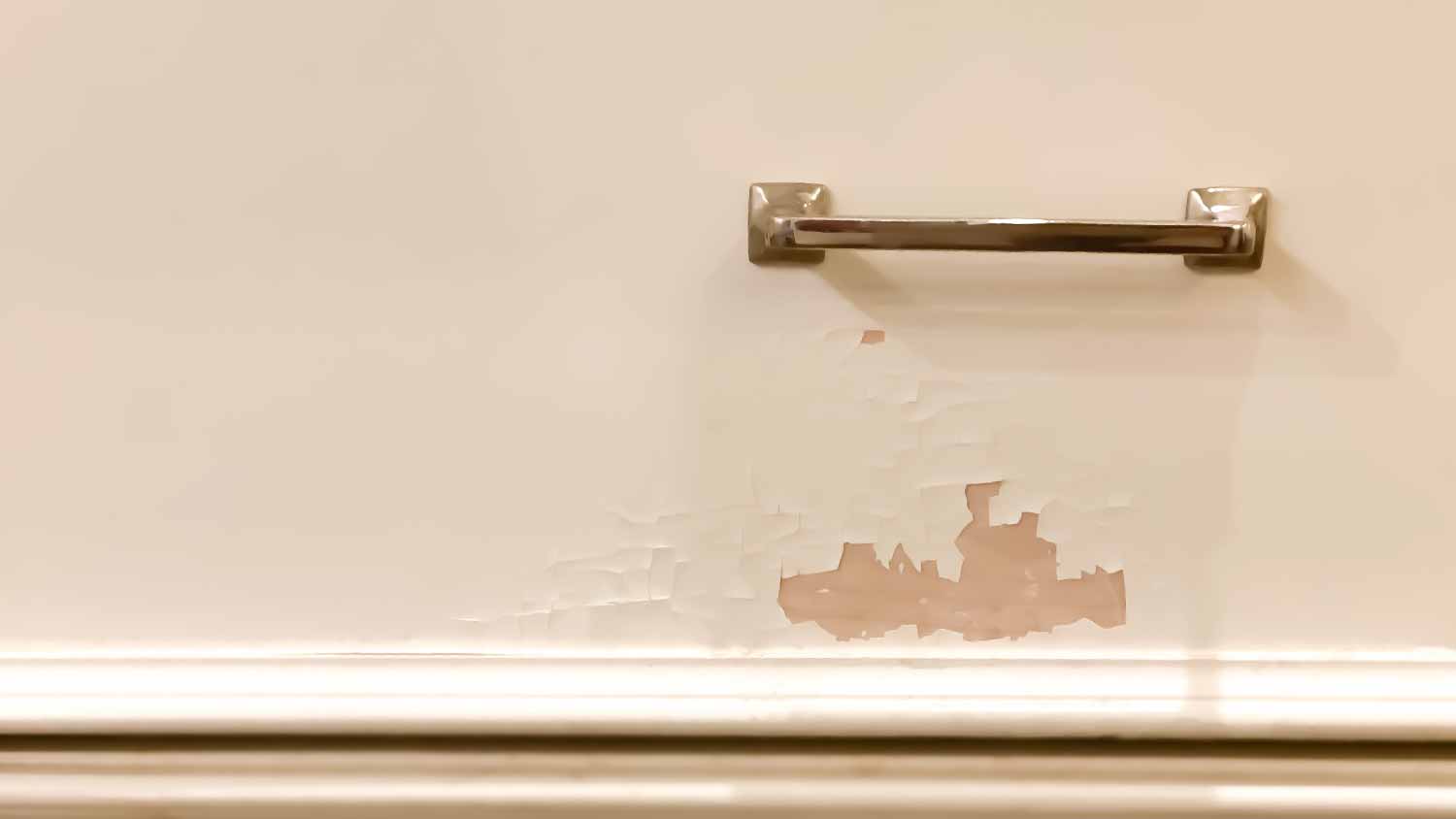
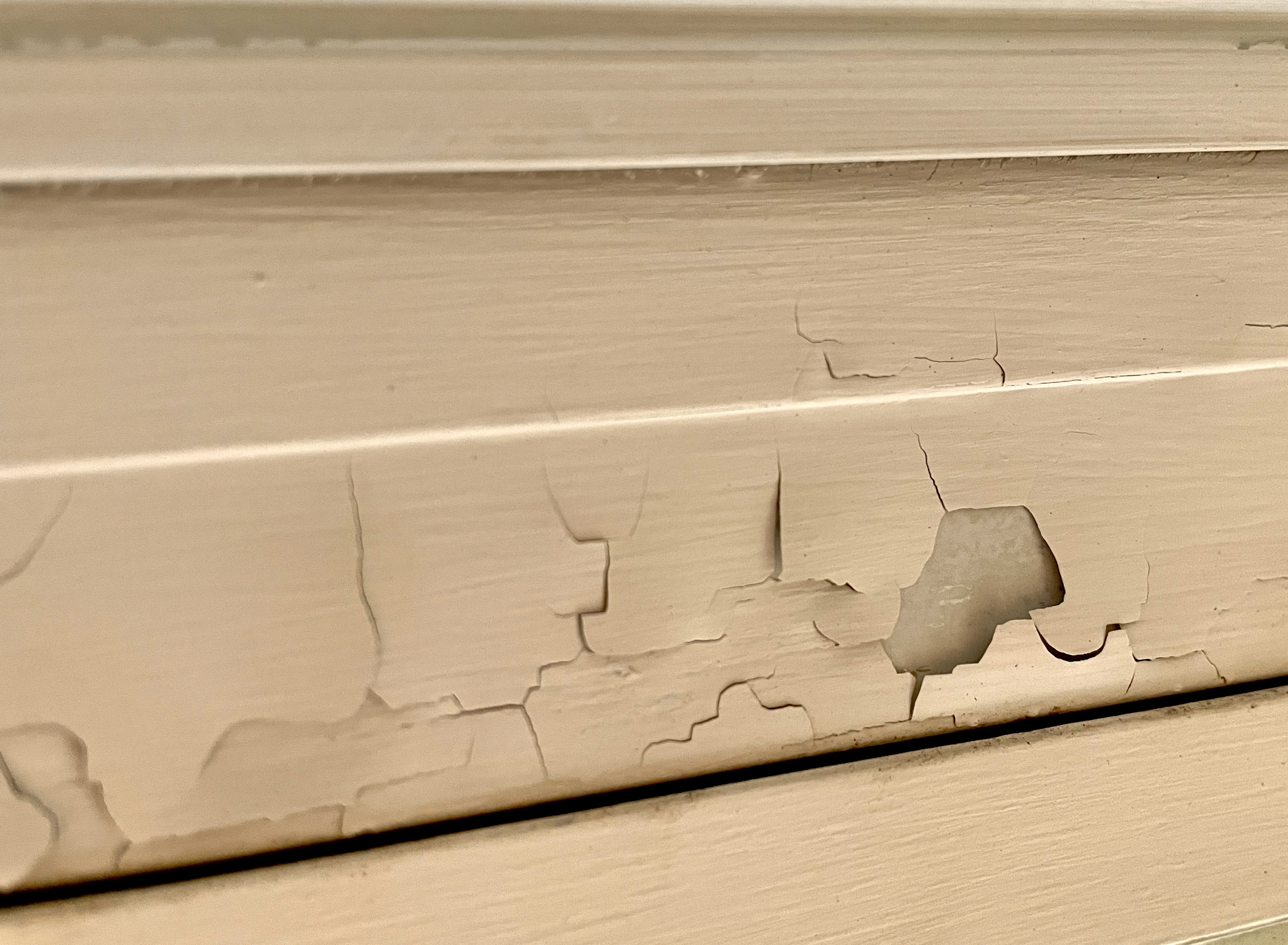
If your home was built before 1978, there’s a chance that any paint on your hardwood floors could be lead paint—especially if it was already there when you moved in. Because lead is toxic, hiring a licensed pro to remove it is mandatory. The average price for professional lead paint removal ranges from $1,500 to $5,300 and depends on the scope of the project.

You can expect to pay between $200 and $400 for a lead inspection, where your local lead testing pro will scan surfaces and items with an X-ray fluorescent analyzer. Lead risk assessments are slightly different and run around $800 to $2,000. A pro may find lead during an evaluation, and create a removal strategy.

“Testing” can start with your senses: Assessing your water’s appearance, taste, and smell can all be good first steps. The best way to know for sure what’s going on with your water is to use a well water testing kit, which can tell you about the specific levels of bacteria, dissolved solids, and hardness of your water with precision. Have a pro test your well water at least once per year.

Some causes of brown well water—like excess tannins or dissolved iron—don’t pose a health risk. In other cases, harmful bacteria might be the culprit. If your well water has suddenly turned brown, it’s a good idea to use a home water test kit to get a better sense of what’s going on with your water. Consider calling a professional for an expert opinion before drinking the water and hoping for the best.

The Lowell, ME homeowners’ guide to lead testing and removal services

From average costs to expert advice, get all the answers you need to get your job done.