




Top-rated stone countertop pros.

Get matched with top stone countertop pros in Jay, ME

Enter your zip and get matched with up to 5 pros

TRUSTED BY JAY, ME HOMEOWNERS

  • Average homeowner rating star icon4.6
    Average homeowner rating
  • Verified reviews icon37
    Verified stone countertop services reviews

Find Stone countertop pros in Jay

Avatar for Aqua Terra Blasting
Aqua Terra Blasting
5.0(
7
)
Stone Restoration & Polishing

Serving Jay, ME and surrounding areas

In business since 2017

Free estimates

Emergency services offered

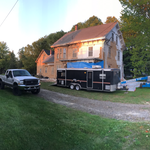
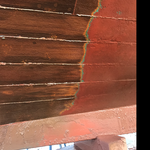
"Andy did an excellent job of cleaning 20 years of bottom paint off the bottom of my 21 foot fiberglass boat. Paint was removed to the boot stripe and there was no damage to the glass. The work was completed in my yard which was left clean with no residue. Great job"
Additional Photos
Additional Photos
Additional Photos
Additional Photos
Additional Photos

+14

Recommended by100%of homeowners
Showing 1-10 of 12
Stone Countertops questions, answered by experts

Installing new kitchen countertops costs $1,850 to $4,450, with an average price of $3,140. Some materials, like marble and granite, are more expensive than others. Additionally, the size of the countertop impacts the overall price. Labor accounts for 10% to 20% of the overall project cost. Add-ons, like edging and corner treatments, also increase the cost.

Epoxy is typically more affordable than granite, especially if you’re choosing a high-end slab. Most granite countertops cost $75 to $145 per square foot to install, with high-end varieties topping $185 per square foot. 

In contrast, epoxy countertops cost $50 to $150 per square foot to install. The material costs for epoxy are significantly lower than granite, but installation costs can be higher. Rather than simply cutting granite countertops to size before installation, your contractor will need to carefully pour the epoxy over an existing surface.

Yes, but you will need the proper gas or electric lines running to the island. You will also need to factor in the costs of a range hood, also known as an extractor. There are several styles to choose from. An island extractor is a chimney-style range hood that hangs from the ceiling directly above your cooktop. A ceiling extractor fits flush into your ceiling above your cooktop, so it is less noticeable and allows for island extensions, such as hanging pot racks. 

For a completely unobtrusive hood, you can choose a downdraft extractor. It is built into the island and can be raised when needed. Its downside is that it takes up space in the island’s cabinets. A venting cooktop is built into the cooktop, and it too takes up cabinet space.

Cutting stone comes with a number of safety hazards. First and foremost, if you’re not comfortable with the equipment required to cut stone, including blades and grinders, you could easily injure yourself. The heavy machinery also poses a risk to your ears if you don’t wear proper ear protection; similarly, you need to wear eye protection to keep debris from irritating your eyes.

However, the biggest risk from cutting stone comes from the stone dust. When breathed in, stone dust can be a huge hazard to your lungs. Always wear a face mask when cutting stone to prevent inhaling stone dust, and thoroughly clean the work area when you are finished.

To avoid injury, we recommend hiring a stone-cutting professional, rather than attempting this job yourself.

Yes, Corian® and other solid surface materials can be cut with standard woodworking tools, such as a circular saw or a jigsaw. However, it is crucial to use the correct type of blade to avoid damaging the material.

For a circular saw, a tungsten carbide-tipped blade is required; a triple chip grind blade is highly recommended. For a jigsaw, you should use a fine-tooth down-cutting blade. Do not use blades designed for cutting wood, as they can cause microfractures that weaken the edges of the countertop. A diamond blade is also unnecessary, as those are designed for harder materials like natural stone, which Corian is not.

After cutting, the edge will be rough. It is essential to sand and smooth the cut edge to prevent microfractures, which can eventually compromise the integrity of the countertop.

The Jay, ME homeowners’ guide to stone countertop services

From average costs to expert advice, get all the answers you need to get your job done.