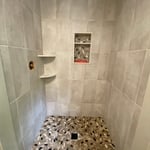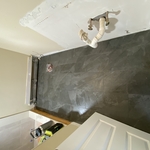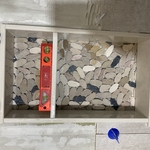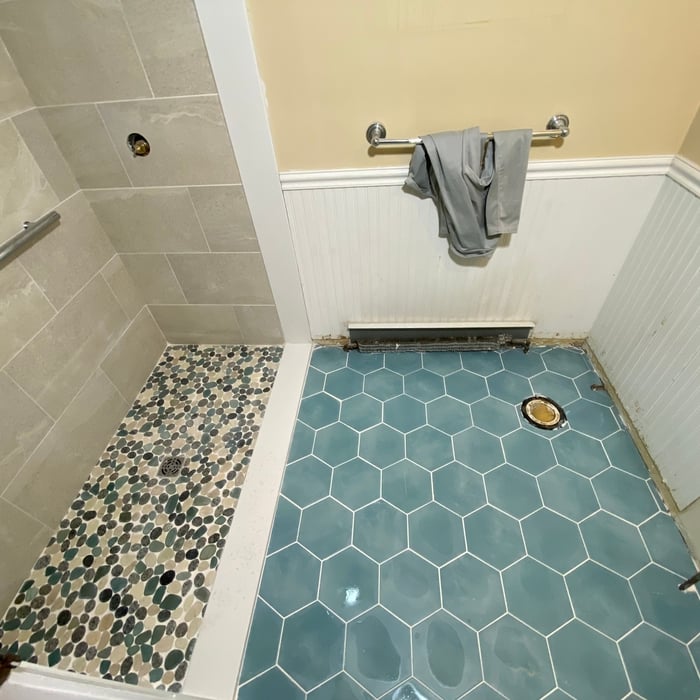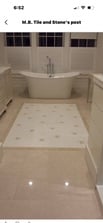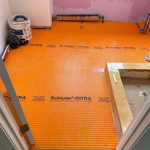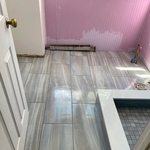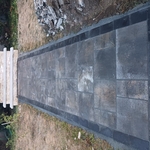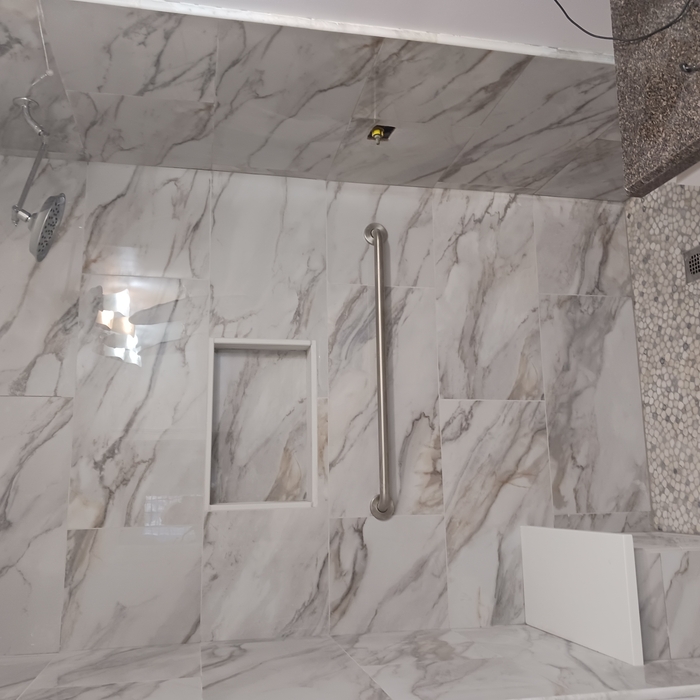




Top-rated ceramic tile pros.

Get matched with top ceramic tile pros in Sagamore Beach, MA

Enter your zip and get matched with up to 5 pros

Need a pro for your ceramic tile service project in Sagamore Beach, MA?

Select your specific project to find the pro for you.

TRUSTED BY SAGAMORE BEACH, MA HOMEOWNERS

  • Average homeowner rating star icon4.7
    Average homeowner rating
  • Verified reviews icon113
    Verified ceramic tile services reviews

Find Ceramic tile pros in Sagamore Beach

Avatar for Silvestre Tile, Inc.
Silvestre Tile, Inc.
5.0(
6
)
Tile: Ceramic and Porcelain - InstallTile: Ceramic and Porcelain - Install - For BusinessTile: Ceramic and Porcelain - Repair+1 more

Serving Sagamore Beach, MA and surrounding areas

Approved

Free estimates

Emergency services offered

Credit card accepted

"Couldn't have asked for a more professional team to help with my kitchen remodel. Jean made the whole process as easy as it could be. His eye for design and helpful knowledge in regard to certain idea's for the kitchen made it that much easier to get done. Respectful and Polite, all in all a great experience. Will use his team in the future."
Recommended by100%of homeowners
Avatar for Claudio Painting and Home Improvement, Inc.
Claudio Painting and Home Improvement, Inc.
4.9(
47
)
Tile: Ceramic and Porcelain - Install

Serving Sagamore Beach, MA and surrounding areas

Approved

In business since 2002

Free estimates

Offers commercial services

"Claudio and his crew were very easy to work with - they arrived on time, did an excellent job laying out our tile and Claudio personally stands behind his company's work. If their attention to detail is always this good, I know we'll be hiring them again for additional house projects."
Response time12 hrs
10 neighbors recently requested a quote
Recommended by93%of homeowners
...
Showing 1-10 of 188
Ceramic Tile questions, answered by experts

The average cost for tile installation is about $2,000, with a typical price range between $500 and $6,500. On a per-square-foot basis, you can expect to pay between $5 and $45 for installation.

Several factors influence the total cost, including:

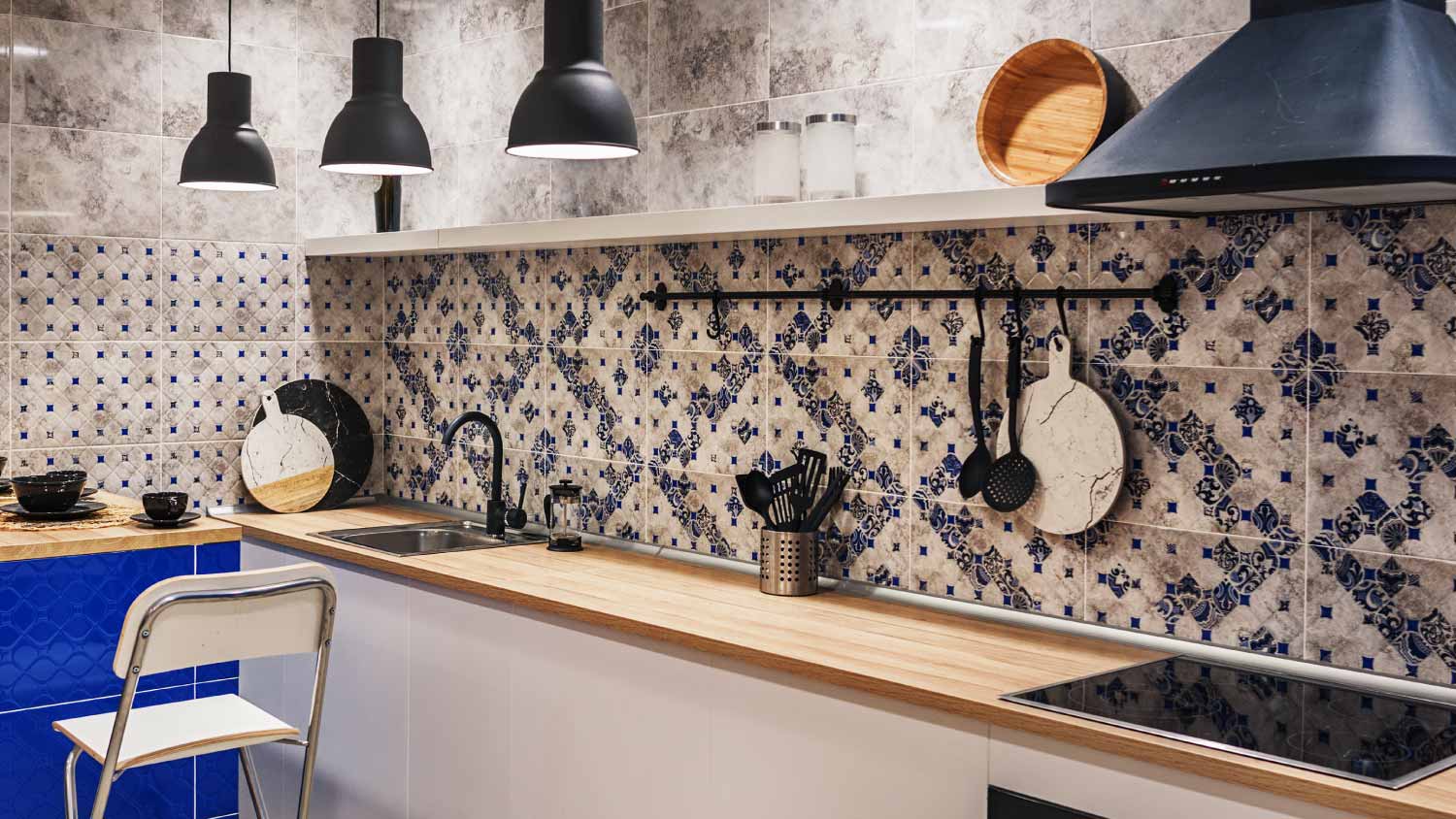
  • Installation Site: Costs vary for different areas. Common project costs are: kitchen floor ($870–$6,100), countertop or backsplash ($500–$3,000), bathroom floor ($300–$2,400), or shower wall ($225–$2,000).

  • Tile Type and Quality: The material significantly impacts price. For example, standard ceramic or travertine tile can cost about $1 per square foot, while luxury options like marble can be as much as $350 per square foot for the material alone.

  • Project Size and Complexity: The total square footage, the complexity of the pattern, and the shape of the tile (e.g., square, rectangle, hexagon, mosaic) will affect labor and material costs.

  • Site Preparation: The amount of prep work needed, such as removing old tile or installing a new subfloor or backer board, can add to the final price.

  • Tile Characteristics: The tile's durability rating and porosity can also influence the price.

  • Location: Labor rates vary by geographic location.

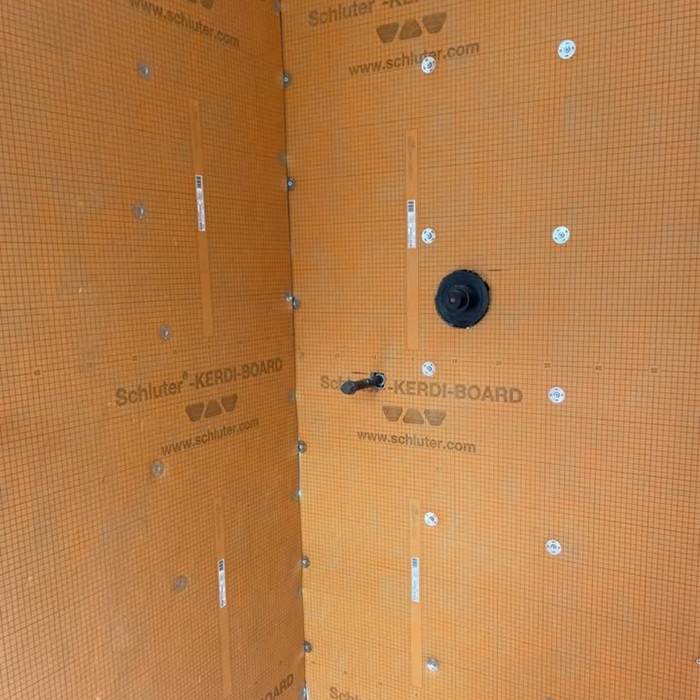
No, you don’t technically need a cement backer board for a wall tiling project, but not using it risks disastrous moisture damage. Cement is naturally water-resistant, whereas drywall soaks it in, which can lead to warping or mold growth. Always use a backer board treated with a waterproof membrane for bathrooms and other chronically damp areas to ensure complete tile shower waterproofing.

On average, tiling a bathroom involves about 12 hours of labor, usually spread over two to three days to accommodate prep work and curing times. A professional tiler can often complete the installation in 6 to 8 hours, whereas a DIYer might take 10 to 16 hours. The total project time is influenced by factors like the bathroom layout, tile type, and necessary prep work, such as removing old tile. The process includes specific timelines for different areas; for example, tiling a floor takes about six hours, while a shower area can take six to ten hours. It is essential to allow for adequate curing time—typically 24 hours each—for the mortar, grout, and caulk, which is why the project extends over several days.

Generally speaking, it is better to cut tile wet when using a fast-moving wet saw to reduce dust and chipping. However, tile can be cut dry when using just about any cutting tool. Dry cutting will result in a bigger mess and may increase the risk of chipping or cracking, but if you’re just making small cuts, dry cutting is a safe and viable option. Cutting dry also means you can apply tile grout sooner, so it’s better for rushed projects.

The tile spacing you should use will depend on the tile and where you’re installing it. Choosing the right tile spacers to maintain a consistent gap between your tiles is tricky. Generally, tile spacing shouldn’t be less than 2 millimeters on walls and 3 millimeters on floors because of stress relief requirements. Getting it wrong can result in uneven tiles and early repairs.

The Sagamore Beach, MA homeowners’ guide to ceramic tile services

From average costs to expert advice, get all the answers you need to get your job done.