







Top-rated ceiling fan pros.

Best ceiling fan pros near Norton, MA

Enter your zip and get matched with up to 5 pros

Need a pro for your ceiling fan service project in Norton, MA?

Select your specific project to find the pro for you.

TRUSTED BY NORTON, MA HOMEOWNERS

  • Average homeowner rating star icon4.9
    Average homeowner rating
  • Verified reviews icon58
    Verified ceiling fan services reviews

Top-Rated Ceiling fan pros in Norton - Updated Nov 2026

Avatar for DES Systems
DES Systems
4.7(
159
)
Ceiling Fan - Install

Serving Norton, MA and surrounding areas

Approved

Super Service Award Winner

In business since 1986

Free estimates

Emergency services offered

"Steve and team covered up all the tasks quickly and they did a great job installing switches, lights, fixing reverse polarities etc. Will definitely be hiring them again in the future"
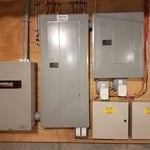
New Electric Panel & Generator Tra
Automatic gas powered standby generator
Generator  Transf. Switch ., Elec. & Alarm pan
Response time8 hrs
23 neighbors recently requested a quote
Recommended by66%of homeowners
Avatar for Daniel Cash Electrician
Daniel Cash Electrician
4.6(
39
)
Ceiling Fan - InstallCeiling Fan - Repair

Serving Norton, MA and surrounding areas

Approved

In business since 2014

Free estimates

Warranties offered

"Came on time. Checked out the electrical problem with our clothes dryer and gave me an estimate. He went right to Home Depot to get new wiring and came right back and fixed the problem. Excellent service and will use him again."
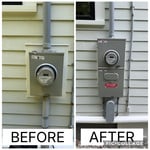
Service Upgrades
Service Upgrades
Service Upgrades
Service Upgrades
Interior Lighting

+18

1 neighbors recently requested a quote
Recommended by83%of homeowners
...
Showing 1-10 of 124
Ceiling Fans FAQs, answered by experts

The direction your ceiling fan spins helps create comfortable airflow in your home and can also help cut down on energy costs. 

During summer, your ceiling fan should spin counterclockwise. This will push cooler air downward in a column and help lower your room’s air temperature. In the winter, set your ceiling fan to spin clockwise and at the lowest speed setting. This will pull cool air upwards, displacing the warm air that pools towards the top of your ceiling and bringing it down towards the floor.

Identifying the source of noises is your first step to soundproofing a room without overspending. Generally, sound comes from inside or outside of the house. Inside noises include creaking floors, living noises like TVs in the living room, cooking sounds, or kids being kids. External noises generally include incremental weather, disturbing neighbors, and street traffic. Inside noises require you to soundproof floors, ceilings, and doors, whereas outside noises may require you to soundproof your attic, windows, and walls facing the streets.

Whether you can install a ceiling fan yourself depends on if you're replacing an existing fixture or installing one where no wiring exists. If you are replacing an existing fan, an experienced DIYer may be able to do the job, which can save on labor costs. This work typically doesn’t require a permit, but there’s always a safety risk when dealing with electrical components, so hiring a pro is still a good idea, especially if you aren't handy. Keep in mind you may need a special ladder for high or vaulted ceilings. However, if you are installing a new ceiling fan where there is no current fixture, you must hire a licensed electrician. In most areas, it is required by law that a professional runs new wiring and pulls the necessary permits. Attempting to install wiring yourself can be dangerous and a code violation.

Keeping dust off fans can keep them working optimally and help keep dust mites or bacteria from building up. Dust fans weekly with a duster, microfiber cloth, old pillowcase, or vacuum attachment. You can also try spraying a clean fan with a store-bought dust-repellent product or making a DIY dust-repellent with water and a small amount of liquid fabric softener mixed in.

Yes, you can install a ceiling fan where a standard light fixture is, as the electrical wiring is often similar and may not need to be replaced. The most important step is to ensure the ceiling can support the fan's weight and motion. You will need to replace the existing light fixture's electrical box with a fan-rated electrical box, which is specifically designed to handle the extra weight and vibration. These boxes will be labeled as suitable for ceiling fan support and will indicate the maximum weight they can hold. Before you begin, also consider if you need an extension rod for a high ceiling or a special mount for an angled ceiling.

The Norton, MA homeowners’ guide to ceiling fan services

From average costs to expert advice, get all the answers you need to get your job done.