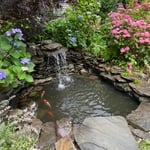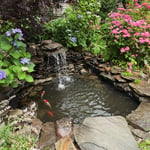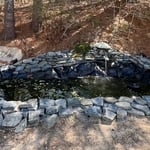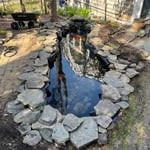






Top-rated fountain pros.

Best fountain pros near Adams, MA

Enter your zip and get matched with up to 5 pros

Need a pro for your fountain service project in Adams, MA?

Select your specific project to find the pro for you.

Top-Rated Fountain pros in Adams - Updated Nov 2026

Avatar for Northern Ridge Land & Property Services
Northern Ridge Land & Property Services
New to Angi
Water Feature - Install a Fountain or Waterfall

Serving Adams, MA and surrounding areas

Free estimates

Small jobs welcome

Credit card accepted

A professional site development contractor that helps property owners transform inaccessible land into usable property. 10+ years experience. Specializing in Land and Property Restoration • Drainage • Land Clearing • Forestry Mulching • Property Improvements

Fountains FAQs, answered by experts

One of the most important parts of building a pond is digging the right depth. Your pond needs to be at least one to two feet deep. The specifics of the depth will depend on factors such as the placement of the pond and whether you plan on having fish. If you have fish in your pond, it will need to be at least two feet deep.

Installing an outdoor water fountain costs $2,700 on average, not including the cost of the unit. Prices range from $150 to $10,650, depending on your location, the type of fountain, size, and accessibility to the site. Self-contained fountains and water features recirculate the water within the unit. Depending on size and features like multi-tiered cascading bowls, they typically cost from $50 to $5,000. More elaborate fountains with waterfalls and ponds can cost from $450 to $10,000 or more.

Regular water testing, debris removal, and seasonal maintenance ensure healthy water quality.

How many fish can call your pond home depends on the volume of the pond and the fish size. Your pond's filtration system also influences the number of fish that will thrive in a pond. A general rule of thumb is to have 1 inch of fish for every square foot in a pond that's 2 feet deep. Another rule of thumb you can follow is to have one koi fish for every 200 gallons of water or two goldfish for every 200 gallons.

While they’re popular and have a lot of pros, the cons of river rocks include the following:

  • River rocks don’t break down or provide nutrients to plants. 

  • These stones can get hot and scorch nearby plants. 

  • River stones may heat the surrounding soil to inhospitable temperatures. 

  • Rocks can block rainwater from seeping into the ground if installations are too thick or tightly packed.

Most downsides occur when using river rock as mulch in gardens and flower beds. However, you can still incorporate river rocks into your landscape as long as you use them in the correct ways.

The Adams, MA homeowners’ guide to fountain services

From average costs to expert advice, get all the answers you need to get your job done.