






Top-rated deck cleaning pros.

Get matched with top deck cleaning pros in Sibley, LA

Enter your zip and get matched with up to 5 pros

Need a pro for your deck cleaning project in Sibley, LA?

Select your specific project to find the pro for you.

Find Deck cleaning pros in Sibley

Gillespie Pressure Washing Service
4.7(
7
)
Deck, Fence, Patio or Porch - Clean and Seal - For Business

Serving Sibley, LA and surrounding areas

In business since 2015

Free estimates

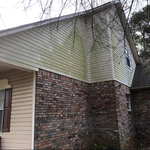
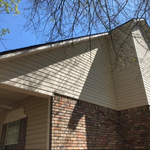
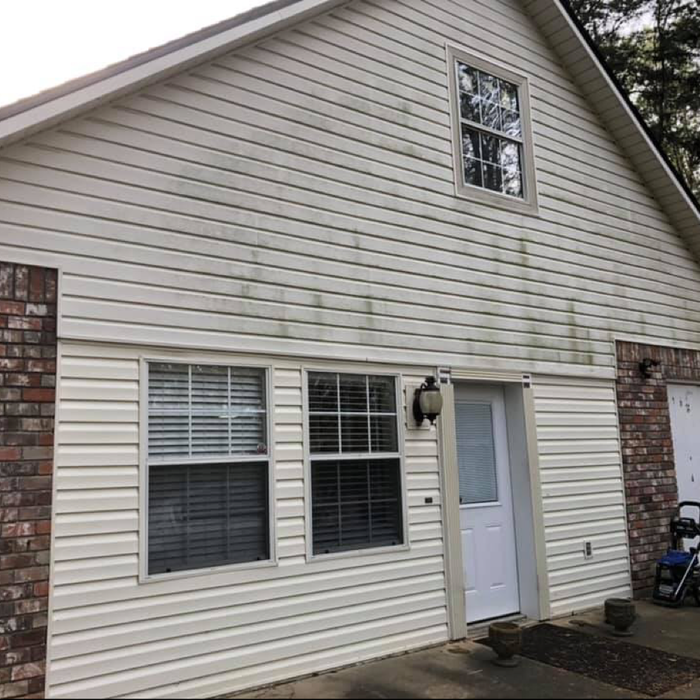
"when i was quoted the price over the phone I thought it was a little high. the siding was very dirty and had moss growing on it as it had not been cleaned in 20 years. she worked all day and the results were excellent. she was also very careful with the old siding and repaired anything that came apart in the process. I would us her again."
Clear_Vine
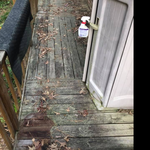
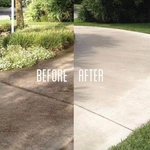
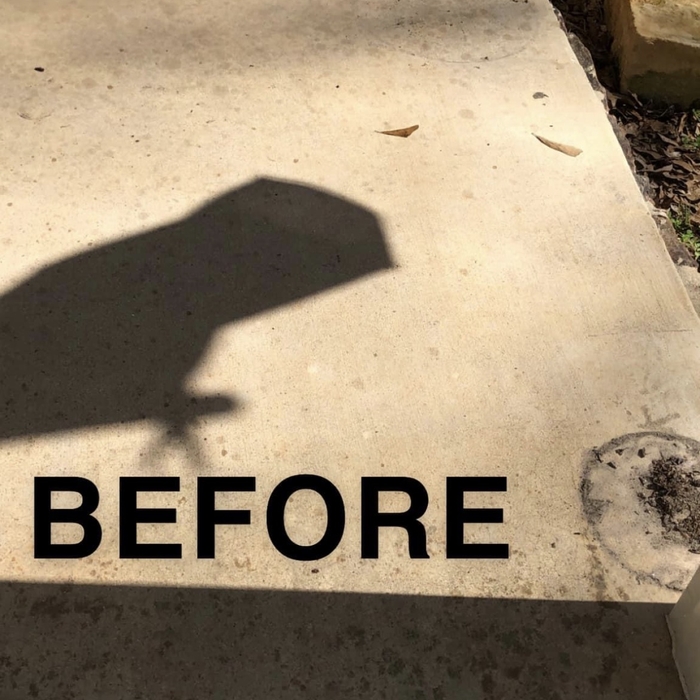
Freshly Cleaned Sidewalk
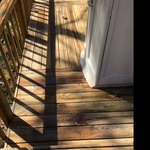
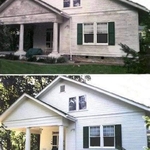
Finished home
Response time3 days
Recommended by100%of homeowners
Showing 1-10 of 31
Deck Cleaning questions, answered by experts

The proper and most comfortable height for a deck stair riser, also called a step, is between four and seven inches. A height of seven inches is often considered ideal for a strain-free step that minimizes the risk of trips and falls. While it is possible to have risers up to 12 inches, this height can be challenging for children, pets, or individuals with mobility issues. For optimal safety and comfort, pair a seven-inch riser with a tread depth (or run) of at least 10 to 12 inches. Always check your local building codes, as they may have specific requirements that differ from these general recommendations.

Pressure-treated decks last 15 to 20 years on average, but with proper maintenance, you could get 40 to 50 years of value from yours. Reseal your deck every one to two years, and replace old or rotted wood as soon as possible to avoid structural damage. Where you live plays a role in the lifespan of your deck. Intense sunlight, rainfall, wind, and hail can reduce the deck’s lifespan.

What goes under your floating deck depends on your preferences. Some homeowners put landscaping fabric underneath their decks to prevent weeds from popping up through the boards. Others choose to build a floating deck over grass or gravel. However, it’s best not to set your deck directly on the ground. Instead, set your deck on blocks to keep it elevated enough to prevent moisture from rotting the wood.

The best direction for a gate to swing depends on its location and purpose, but swinging inward is the general rule. An inward swing is often considered safer, prevents the gate from opening into public spaces like a sidewalk, and may be required by local building codes.

There are exceptions and specific considerations. If your property is on a slope, an inward swing might not be possible. For a deck gate, it's safest to have it swing away from any steps. In a backyard, the direction can be a matter of preference, though an inward swing can be helpful when carrying heavy items like a wheelbarrow into a garden.

Regardless of direction, ensure the gate can open fully without hitting any objects or blocking spaces. While an inward swing is standard, a gate that can swing both in and out offers the most flexibility if your setup allows for it.

Whether composite decking is better than wood depends on your priorities, especially regarding budget and maintenance. Composite decking offers superior longevity (30 to 50 years) and durability, and it is low-maintenance, requiring no sanding, staining, or sealing. In contrast, wood decks typically last 10 to 30 years and need refinishing every few years. While the upfront cost of composite is higher than wood, the reduced maintenance can lead to long-term savings. If a lower initial cost is the primary factor, wood is the more affordable choice.

The Sibley, LA homeowners’ guide to deck cleaning services

From average costs to expert advice, get all the answers you need to get your job done.