



Top-rated generator install pros.

Get matched with top generator install pros in Patterson, LA

Enter your zip and get matched with up to 5 pros

Need a pro for your generator install project in Patterson, LA?

Select your specific project to find the pro for you.

Find Generator install pros in Patterson

Avatar for Rene Ledet
Rene Ledet
5.0(
2
)

Serving Patterson, LA and surrounding areas

Approved

Free estimates

Emergency services offered

Small jobs welcome

You should hire me because I bring a proactive, safety-first approach to every job, ensuring code-compliant work done right the first time. With my strong troubleshooting skills and ability to adapt to new technologies, I can immediately contribute to you efficiency and deliver the high-quality, reliable service you expect.

Kitchen lights
Kitchen lights
Outside lights
Outside lights
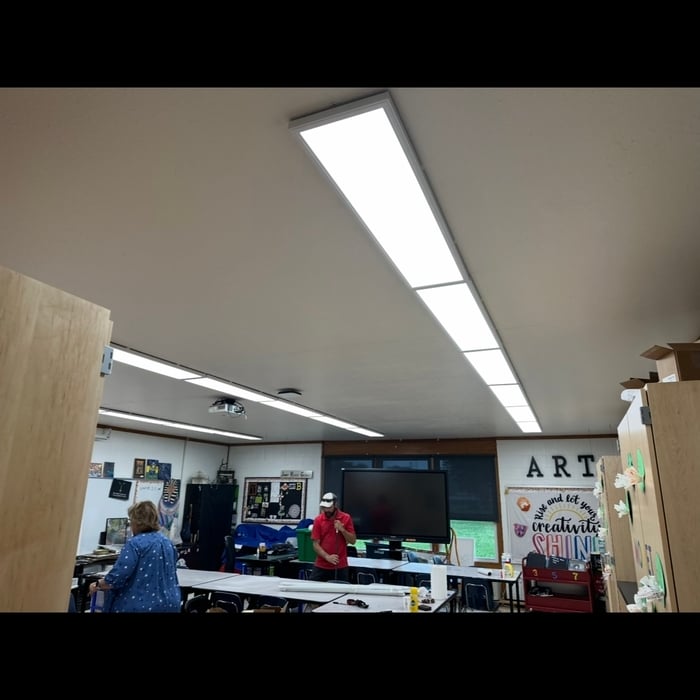
Class room

+10

GC Property Restoration
New to Angi

Serving Patterson, LA and surrounding areas

Approved

Emergency services offered

Small jobs welcome

Credit card accepted

Hi, my name is Braden Cazes, owner of GC Property Restoration. We are a locally owned company dedicated to providing reliable, high-quality restoration and property improvement services. We take pride in honest communication, attention to detail, and making sure every job is completed the right way.\n\nAt GC Property Restoration, customer satisfaction is our top priority. Whether it’s repairs, renovations, restoration work, or general property improvements, we work hard to deliver professional results at a fair price. We appreciate every opportunity to earn our customers’ trust and look forward to helping bring your project to life.

Showing 1-10 of 19
Generator Install questions, answered by experts

No, you should never plug a generator directly into a wall outlet in your house. This practice is extremely dangerous, often illegal, and can cause "back-feeding," where power from the generator flows back into utility lines, creating a life-threatening hazard for utility workers. It can also damage your home's electrical system, including appliances like pumps and HVAC fans. If the main power is restored while the generator is connected, it can destroy the generator and cause an electrical fire. To safely connect a generator, you must use a professionally installed transfer switch or an interlocking kit, which prevents back-feeding by disconnecting your home from the utility grid before the generator provides power.

While the rating will tell you how many watts the refrigerator needs at the peak of its cycle, it requires additional wattage to start. At the bare minimum, you’ll need a 1,500-watt generator to get the fridge up and running after a blackout. A 2,000-watt generator should be sufficient for most home refrigerators.

The average cost to install a home generator is $5,200, but total costs can range from $500 to $18,000 or more. The final price depends on several factors, including the generator's size, type, brand, fuel source, and the cost of labor and assembly. The generator's size is the most significant cost factor, as units that can power larger homes with higher energy demands cost more.

Cost breakdowns by generator type are typically as follows:

  • Portable or Emergency Backup Generators (1kW–7.5kW): $500–$2,000

  • Partial-Home Generators (9kW–20kW): $2,000–$6,500

  • Whole-House Generators (22kW–48kW): $5,000–$18,000

To ensure you get the right size unit for your needs without overpaying, consider hiring an electrician to calculate the electrical load of your essential appliances. It is also recommended to get at least three quotes from qualified installers to find the best fit for your budget.

It’s usually better to repair your generator if it isn’t working properly, as it will typically be much more affordable and should yield similar results. Generator repairs cost around $300 on average, while installing a new whole-house generator costs around $5,000 on average. The only exception is if you know your generator is reaching the end of its useful life, usually between 30 and 40 years. If you have an older generator, you could face multiple repairs in the coming years, which might mean that a full replacement will be more cost-effective over time.


If you’re wondering whether gas generators produce carbon monoxide, know that natural gas generators do not produce carbon monoxide if they are functioning properly, as natural gas burns cleanly. However, if the generator malfunctions and the gas does not burn completely, there is potential for carbon dioxide to be produced. To prevent malfunctions, it's crucial to perform regular maintenance, including running the generator weekly and scheduling professional inspections every 6 to 12 months. Also, be sure to test your carbon monoxide detectors regularly to ensure they function in the rare case of the generator producing carbon monoxide.

The Patterson, LA homeowners’ guide to generator installs

From average costs to expert advice, get all the answers you need to get your job done.