





Top-rated deck maintenance specialists.

Get matched with top deck maintenance specialists in Monroe, LA

Enter your zip and get matched with up to 5 pros

Need a pro for your deck maintenance project in Monroe, LA?

Select your specific project to find the pro for you.

Find Deck maintenance specialists in Monroe

...
Showing 1-10 of 71
Deck Maintenance questions, answered by experts

Ideally, a gate should be able to swing both in and out. However, if it can only open in one direction, it is generally best for it to swing inward. This is often the safest option, especially for deck gates near steps, as you'll want the gate to swing away from the stairs. An inward swing also prevents the gate from opening into a public space, like a sidewalk, and can be more convenient when carrying heavy items like a wheelbarrow into a garden.

There are exceptions, however. The layout of your property may require a different approach. For example, if your property is on a slope, the gate may not be able to swing inward. You should also ensure the gate can open fully without colliding with any objects or blocking access to other areas. For a backyard garden gate where public access isn't a concern, the direction it swings is largely a matter of personal preference. Finally, always check your local building codes, as they may have specific requirements for which way a gate must swing.

As with patios, there are many types of deck choices to choose from to add personalization to your home. Some common deck options include:

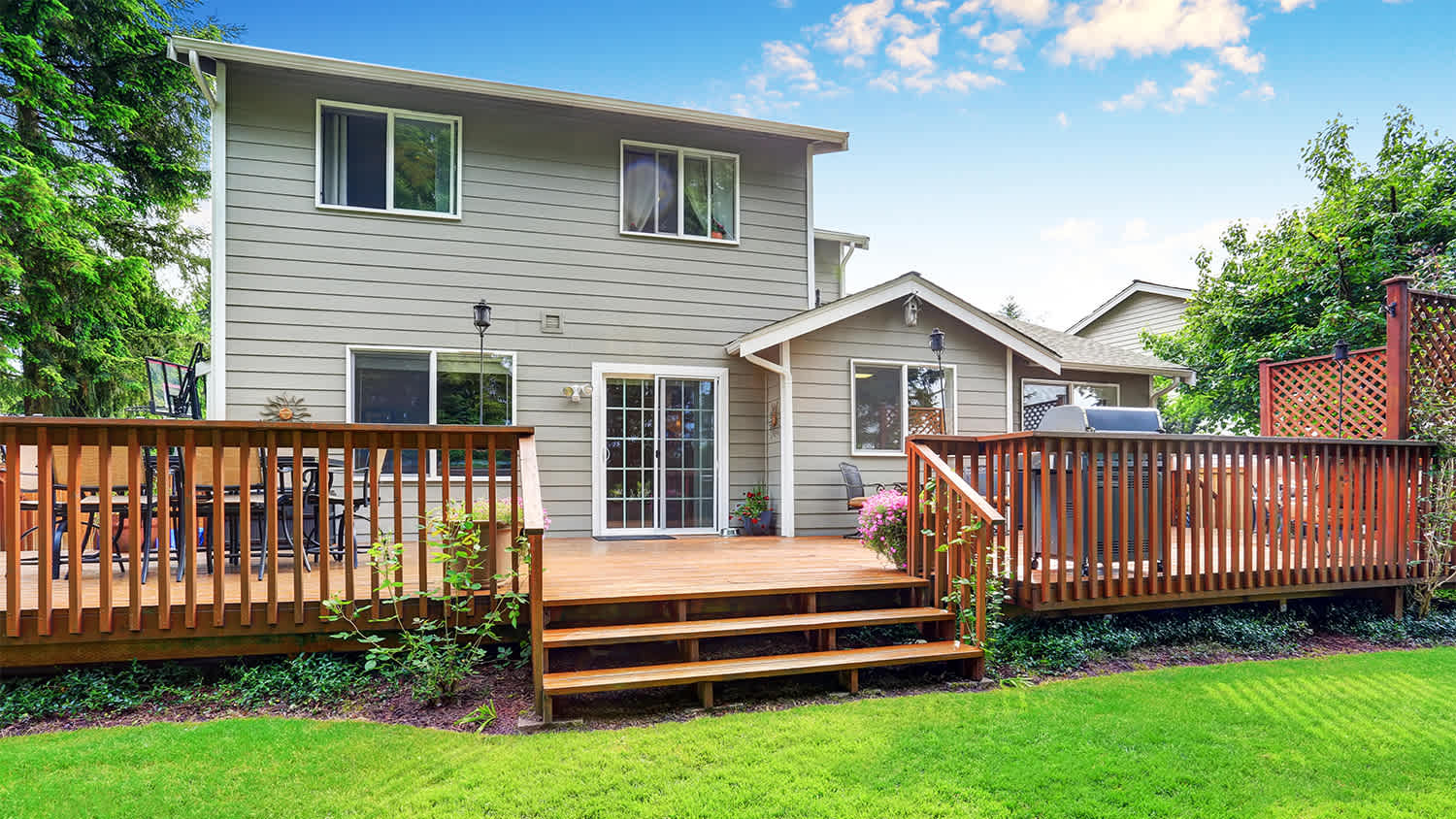
  • Attached decks are anchored to the home and include simple ground-level options or multi-level structures with stairways and separate landings. 

  • Detached island decks are not attached to the home; they’re a freestanding structure in the yard. 

  • Wraparound decks connect the back of the house with at least one other side and often are built with railings for safety. 

  • Multi-level decks connect your deck through varying levels of elevation, featuring landings that are attached to stairs.

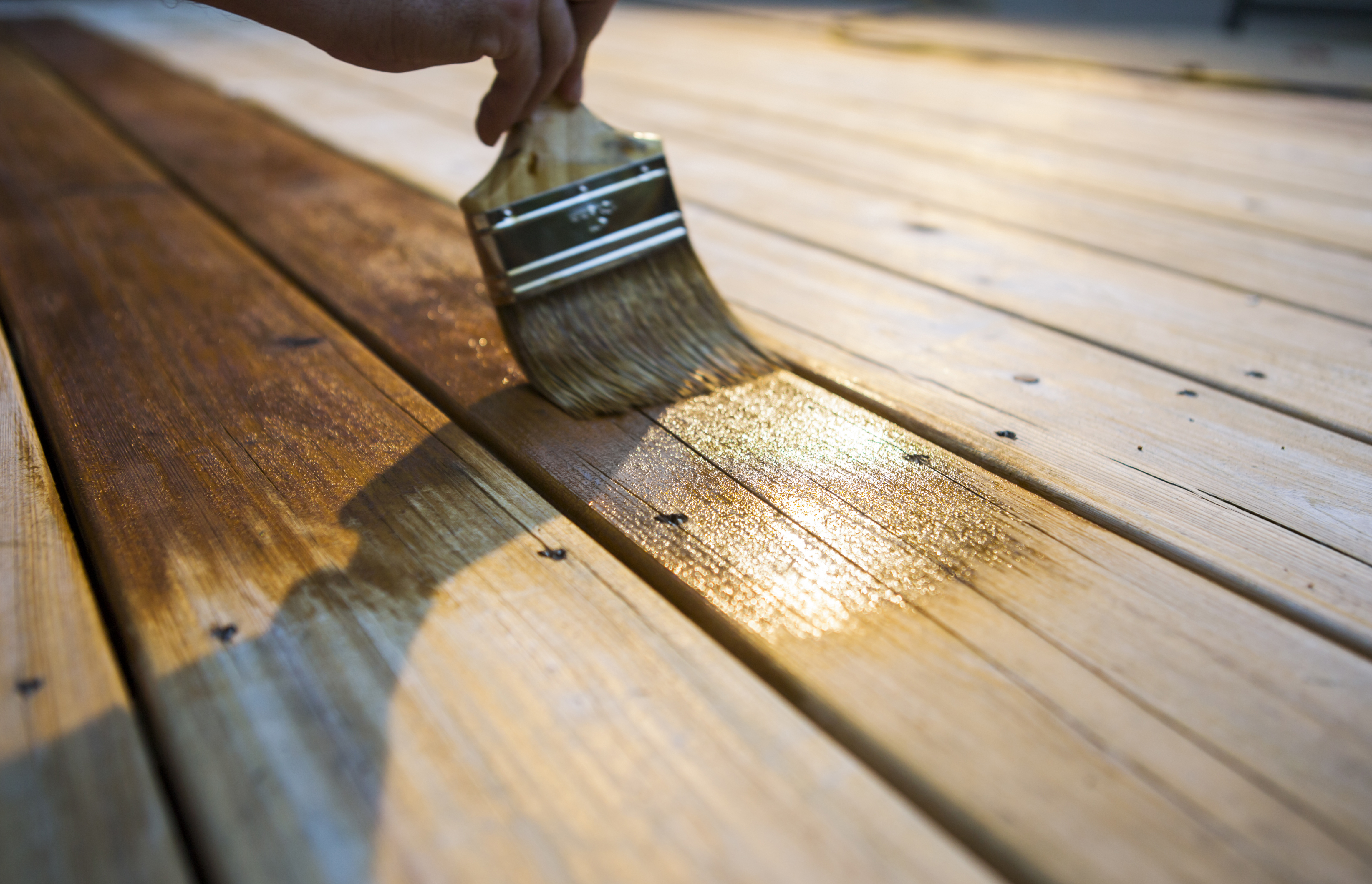
Pressure-treated decks last 15 to 20 years on average, but with proper maintenance, you could get 40 to 50 years of value from yours. Reseal your deck every one to two years, and replace old or rotted wood as soon as possible to avoid structural damage. Where you live plays a role in the lifespan of your deck. Intense sunlight, rainfall, wind, and hail can reduce the deck’s lifespan.

In many areas, a floating deck that isn’t connected to your home and stays under 200 square feet and below 30 inches in height may not need a permit. These freestanding structures are often considered low-risk, which can simplify the building process. However, building codes vary greatly based on location. Before investing in any home improvement project, check with your local permitting office for deck-building guidelines.

Be careful when choosing a product to help you remove ice from your wood deck. Never use sand, gravel, or salt, since these items can damage and scratch the wood. Instead, look for chemical de-icers that are marked as safe for wood decks or use hot water to melt snow and ice.
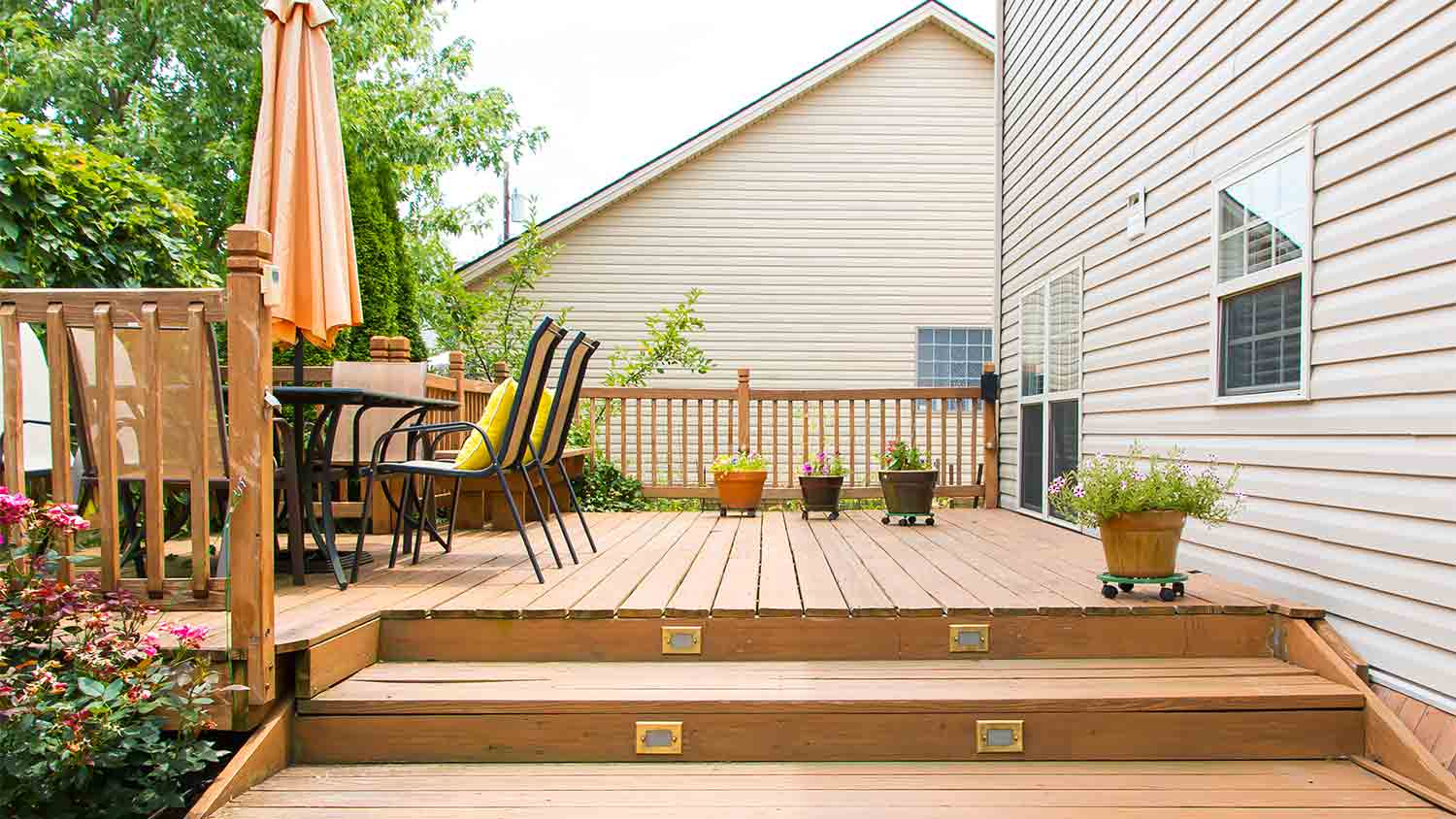
The Monroe, LA homeowners’ guide to deck maintenance services

From average costs to expert advice, get all the answers you need to get your job done.