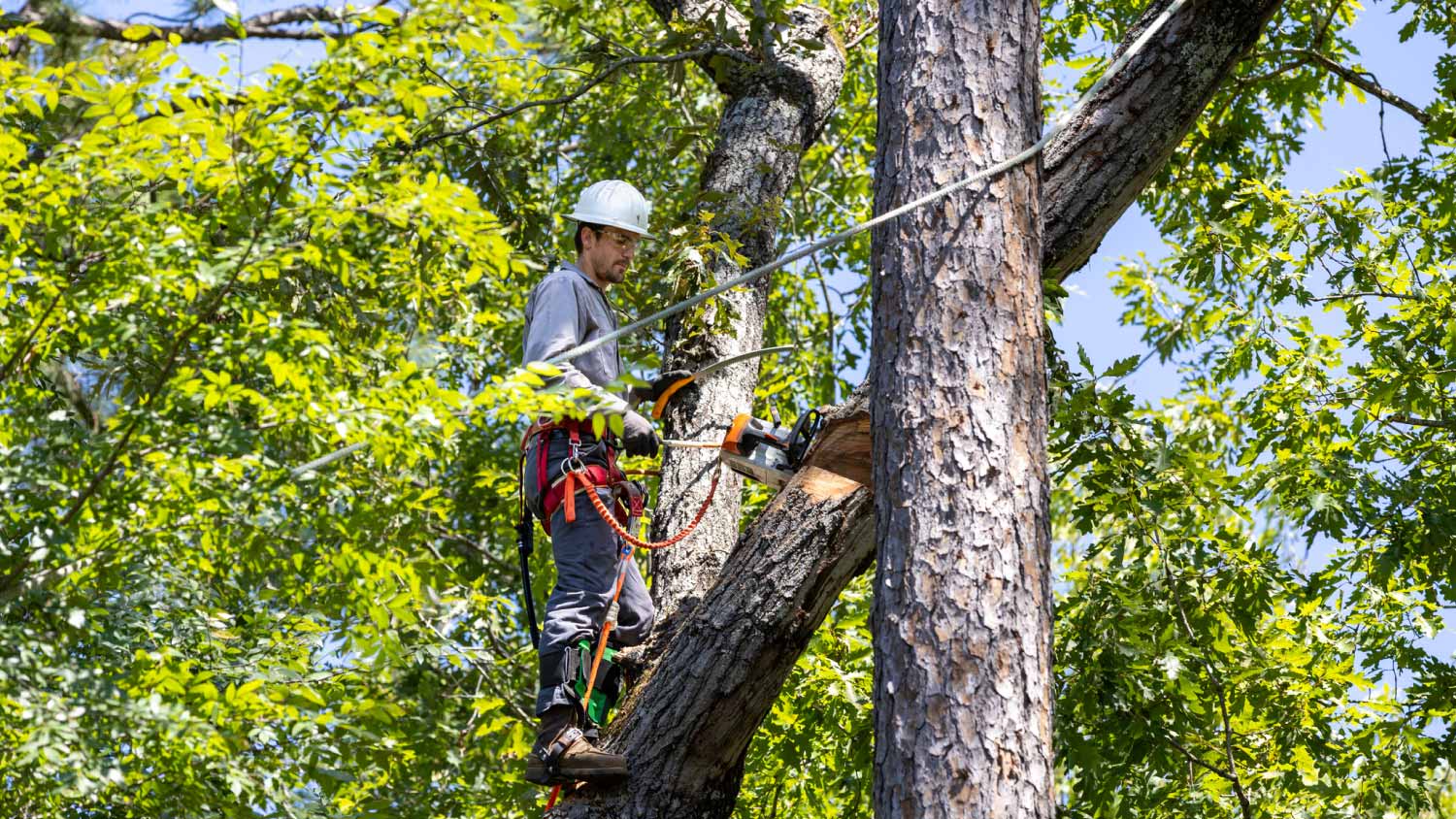





Top-rated arborists.

Get matched with top arborists in Melville, LA

Enter your zip and get matched with up to 5 pros

Need a pro for your arboricultural service project in Melville, LA?

Select your specific project to find the pro for you.

Find Arborists in Melville

Avatar for Split6 Firewood Co.
Split6 Firewood Co.
New to Angi
Tree Stump - RemoveTree RemovalTree Trimming

Serving Melville, LA and surrounding areas

Approved

Free estimates

Small jobs welcome

Credit card accepted

Split 6 is a locally owned, family-operated business dedicated to providing dependable property maintenance and firewood services throughout Avoyelles Parish and the surrounding areas. We take pride in honest pricing, quality workmanship, and showing up when we say we will. Our services include tree removal, stump grinding, bush hogging, limb trimming, debris cleanup, dump trailer services, and dirt or limestone hauling and spreading. We also provide premium oak and pecan firewood for cooking, along with mixed firewood for campfires, available in multiple quantities with delivery options. At Split 6, we’re committed to helping homeowners, camps, farms, and businesses keep their properties safe, clean, and well maintained while supporting our local communities with reliable, professional service.

7 neighbors recently requested a quote
Avatar for Prairie Tree Service
Prairie Tree Service
5.0(
6
)
Tree RemovalTree Trimming

Serving Melville, LA and surrounding areas

In business since 2024

Free estimates

Credit card accepted

"We are so happy with Dylan’s work! We have recommended him to multiple people in the short time since we’ve had our two trees cut down. He was quick & affordable. We can’t say thank you enough!"
Response time2 days
Recommended by50%of homeowners
Showing 1-10 of 49
Arborists questions, answered by experts

The cost of professional tree service, such as trimming, is $460 on average, but the price can range from $75 to $1,800. A more typical range is between $200 and $760. The final price depends on several factors, including the size and type of the tree. For example, trimming Crepe Myrtle trees costs an average of $80 to $400, while giant pine trees can range from $200 to $1,800. Other factors that influence the cost include the time of year, as services are often more expensive in the spring. Your location can also play a role; costs may be higher if you live in a remote area or if the tree is difficult to access. However, some professionals may offer a discount if you have multiple trees that need service.

Generally, you do not have the right to take fruit from a neighbor's tree, even if the branches overhang your property. The fruit is considered the property of the tree's owner. While you may have the right to trim branches that cross into your yard, the fruit on them typically still belongs to your neighbor. However, laws can vary by state and municipality. In some areas, branches that extend into your yard or trees that straddle a property line may entitle you to some of the fruit. The best course of action is to speak with your neighbor, as they may be happy to share. If a conversation is not possible, check your local regulations before picking any fruit.

You’ll want to have your palm trees trimmed during the spring, ideally in May, before hurricane season sets in, which generally takes place during the late summer. Palm trees grow fastest over the summer months. You’ll also want to trim your palm trees when you notice:

  • Brown fronds 

  • Dry leaves

  • Flower pods

  • Fruit

  • Fronds overgrown in power lines

  • Frond encroaching upon your neighbor’s home or yard 

  • Visible damage from a storm

If you’re wondering whether you can plant a tree where the stump was removed, know that the soil conditions won’t be ideal, so you should avoid it. The soil beneath the previous tree will likely be depleted of nutrients, plus there may be roots left behind that will seriously hinder the growth of a new tree. Also, if you use salt or other chemical solutions to kill the stump, these can linger in the soil for months or even years and prevent healthy growth. It’s best to choose a different spot that’s at least three feet away for a new tree, or wait at least a year and thoroughly amend the soil before you plant.

In most ways, palm trees are incredibly low-maintenance. They don’t need a ton of water—which is why they’re so beloved in desert regions—and they basically prune themselves. But they do need an ample supply of sunlight and to be in soil that will allow for proper drainage so that their roots don’t become waterlogged and at risk of developing illnesses.

If the plant begins to wilt, develop spots, or change color, these could all be signs that your palm tree has a disease. But a few basic treatments, like pruning and applying fungicide, will usually be more than enough to return it to perfect health.

The Melville, LA homeowners’ guide to arboricultural services

From average costs to expert advice, get all the answers you need to get your job done.