Doorbell Installation questions, answered by experts
R-30 insulation is better for higher thermal resistance, but whether it’s "better" depends on the application. R-30 is much thicker and suited for areas like attics or floors in cold climates, where more insulation is required. R-13, on the other hand, is thinner and works well for 2x4 walls or milder climates where less insulation is sufficient. Choosing between R-13 and R-30 depends on the area being insulated and the climate. For example, R-30 provides more insulation but may not fit everywhere in your home.
It is possible to install a radiant barrier yourself. However, knowing how to install a radiant barrier and actually doing it are two totally different things. For example, it’s important that they be installed in a straight line but at an angle that creates a gap between the roof panels and the foil or spray. If this gap is too large or small, it won’t function as it should, and that may be hard to avoid if you’re only a novice. When in doubt, leave this job to a pro.
Yes. Bathroom insulation requires a vapor barrier. As a matter of fact, bathrooms and kitchens are the two areas of the home that should always get a vapor barrier because of the excess moisture. If you don’t have a vapor barrier in place in these rooms, the moisture will build up and eventually lead to mold and bacteria, not to mention the destruction of the insulation.
A radiant barrier is a form of insulation topped with a reflective material designed to keep homes cool during hotter months. It is generally considered worth the investment if you live in a hot, sunny climate, as the cost can be recouped over time through lower energy bills. Installation costs typically range from $0.10 to $1 per square foot. After installation, homeowners in warm climates may save between $7 and $15 per month, potentially reducing their electric bill by 5% to 10%. The exact savings will vary depending on your location and the type of barrier chosen.
While there are many different kinds of insulation, spray foam, blown-in, foam board, and batt and roll are the four types you’re most likely to see. That doesn’t mean they’re alike, though. Each one varies drastically in terms of cost, materials used, and how they’re installed—not to mention, how well they limit heat transfer.
The Leesville, LA homeowners’ guide to doorbell installation services
From average costs to expert advice, get all the answers you need to get your job done.
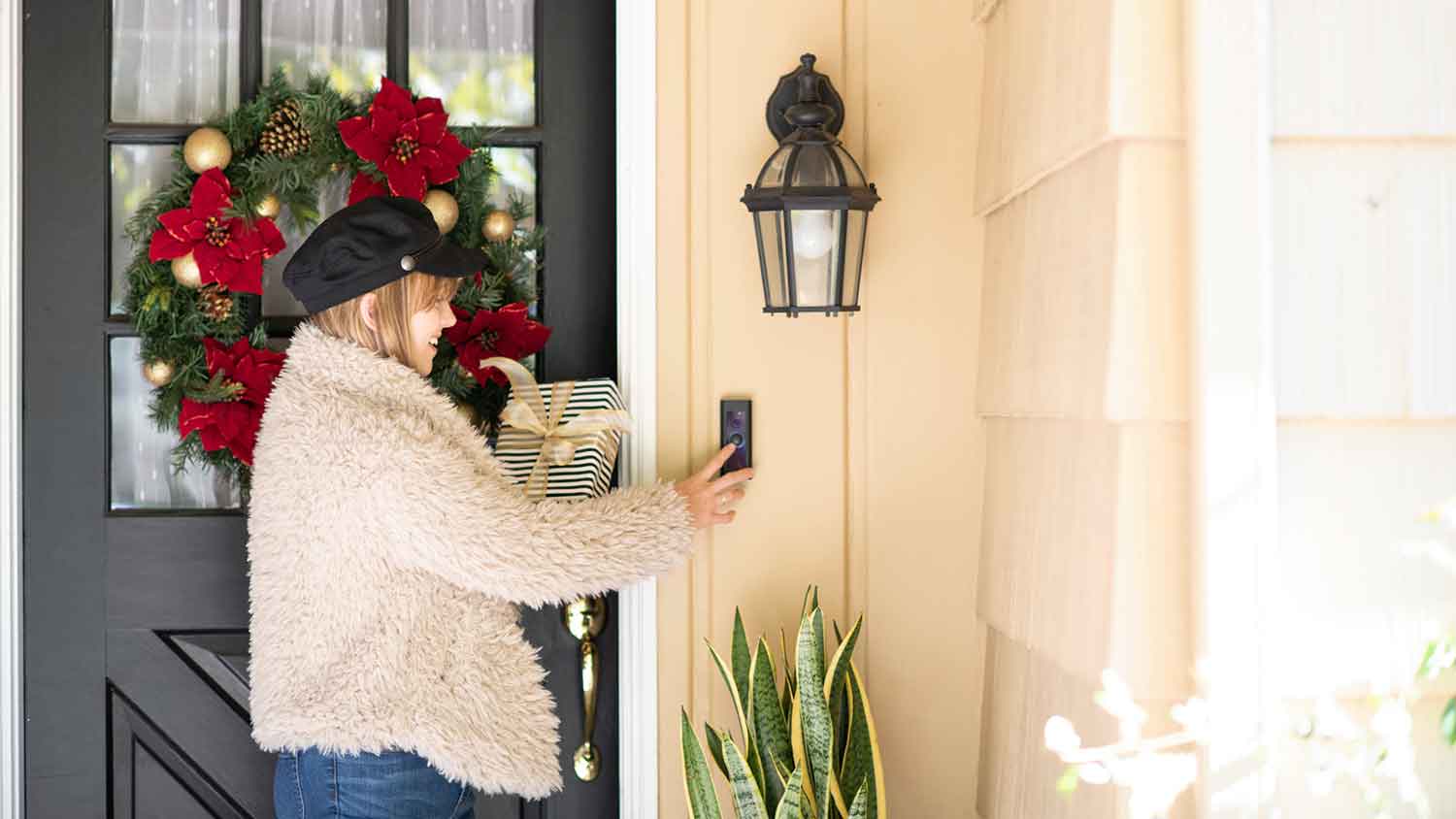
Ring a bell? From replacing a wired doorbell to setting up a smart home system, learn about typical doorbell installation costs, including materials and labor.
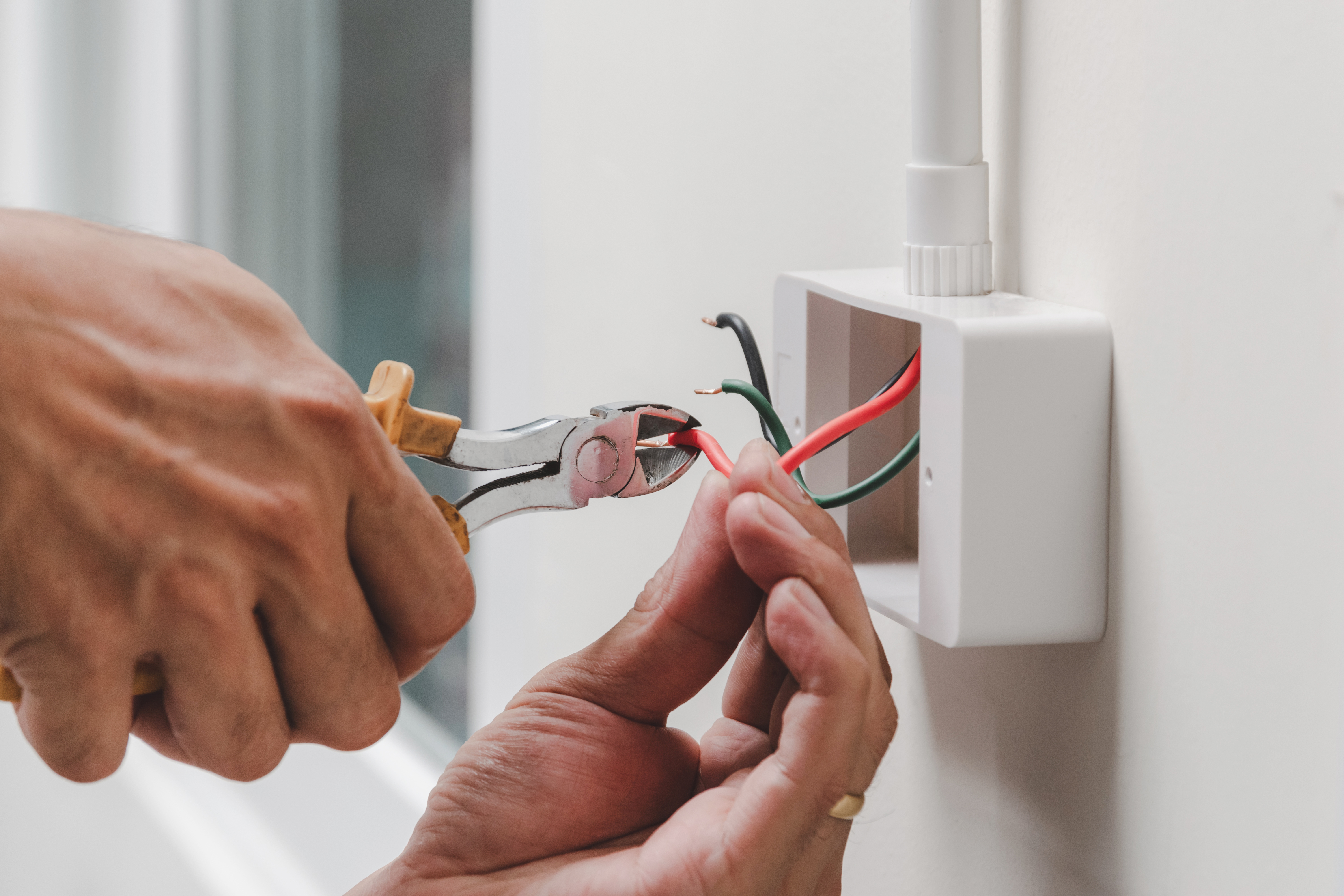
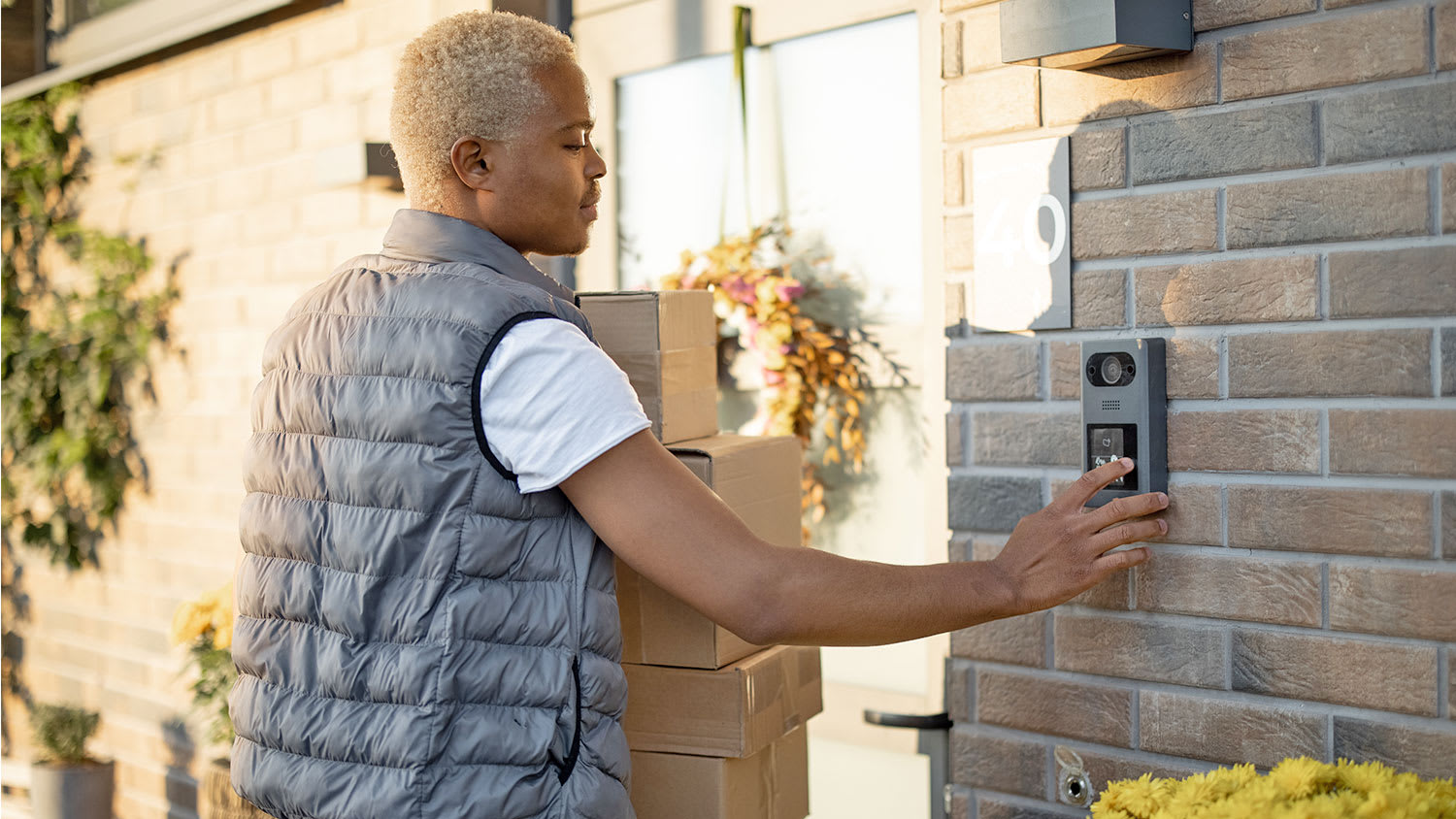
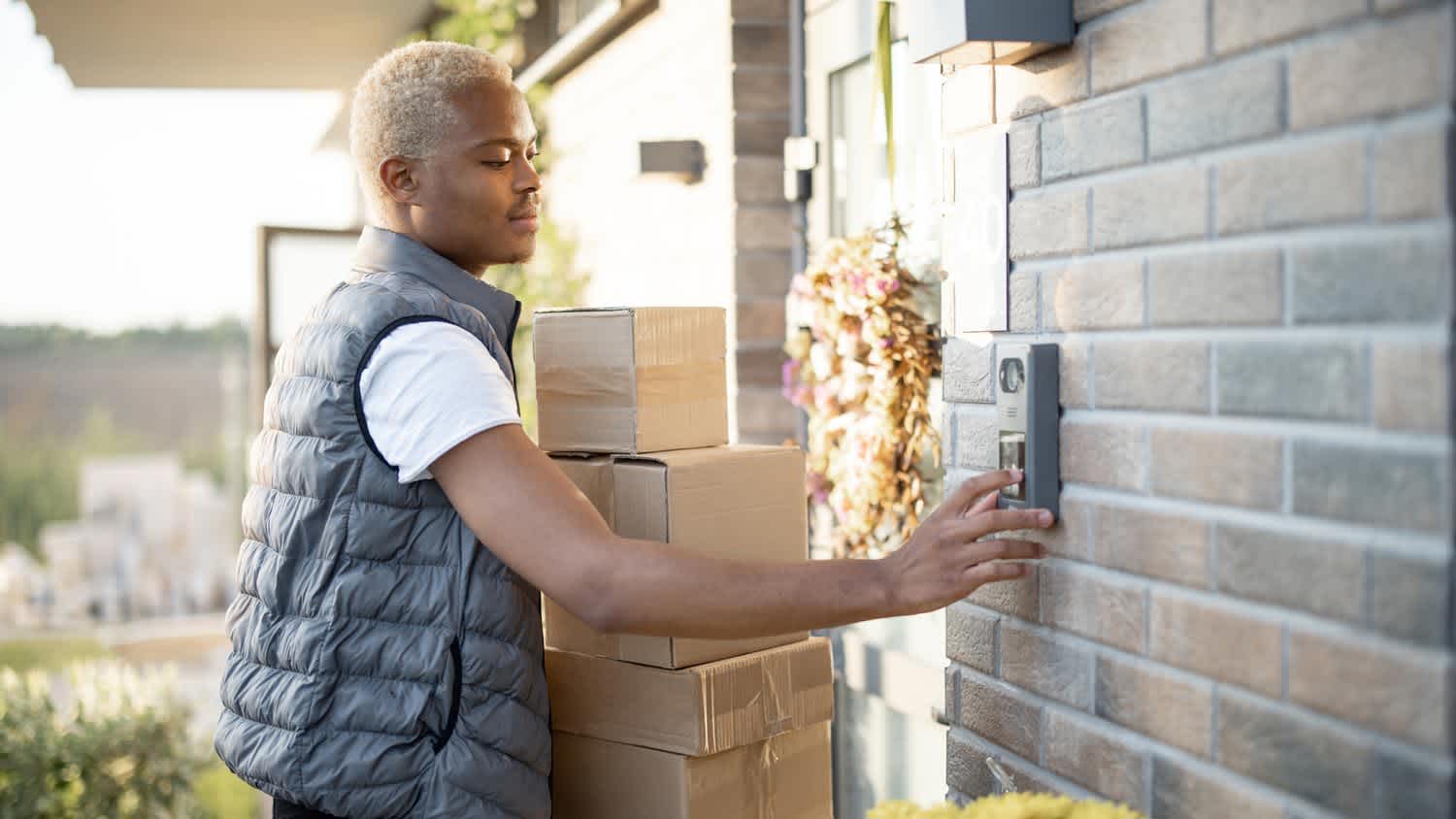
How much does it cost to install a doorbell camera? It depends on whether you plan to DIY or hire a pro. Learn about different models and their power sources, too.
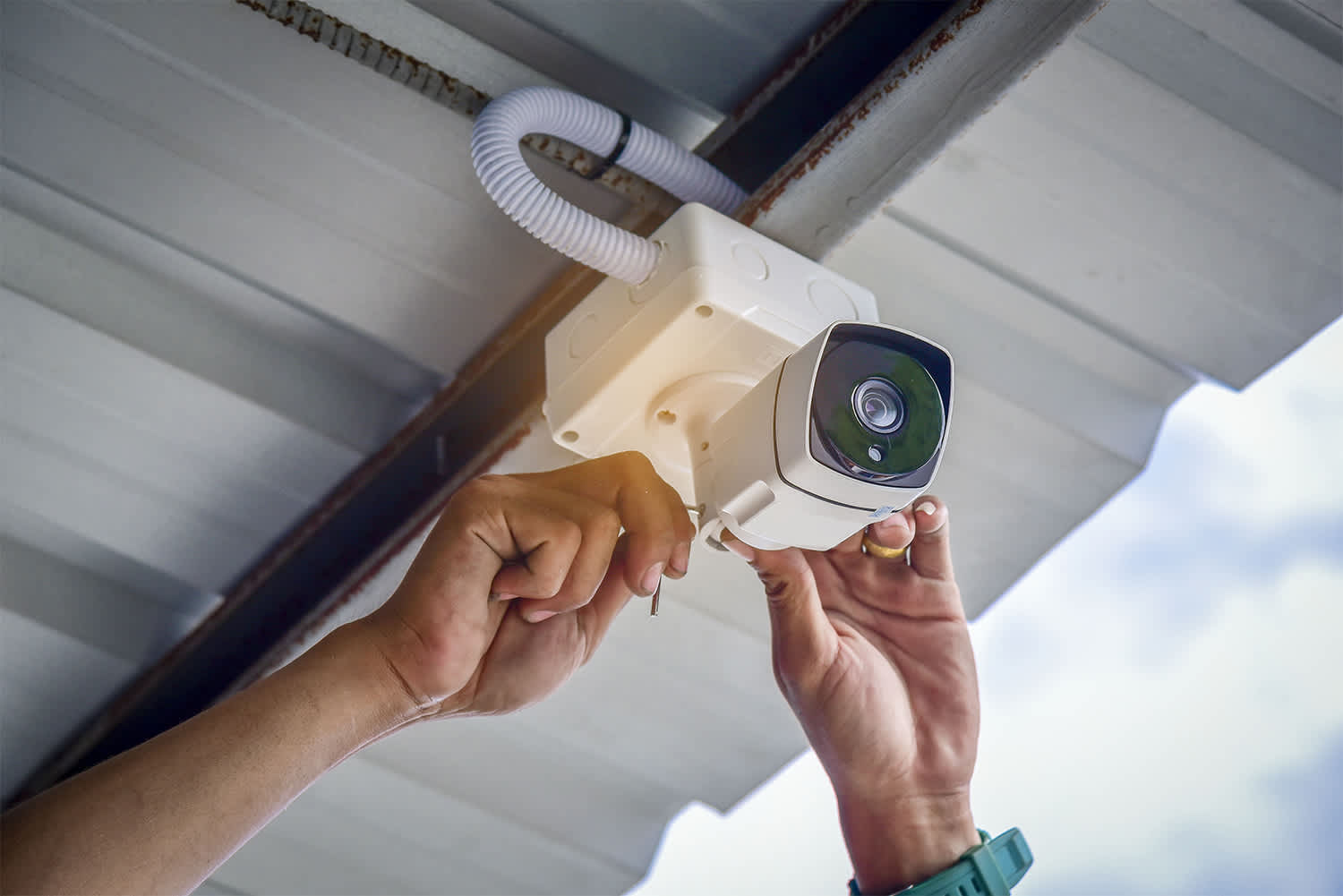
Doorbell wiring is a project you can DIY. This guide covers everything you need to know, from different types of doorbells to wiring, and how to remove an old doorbell.
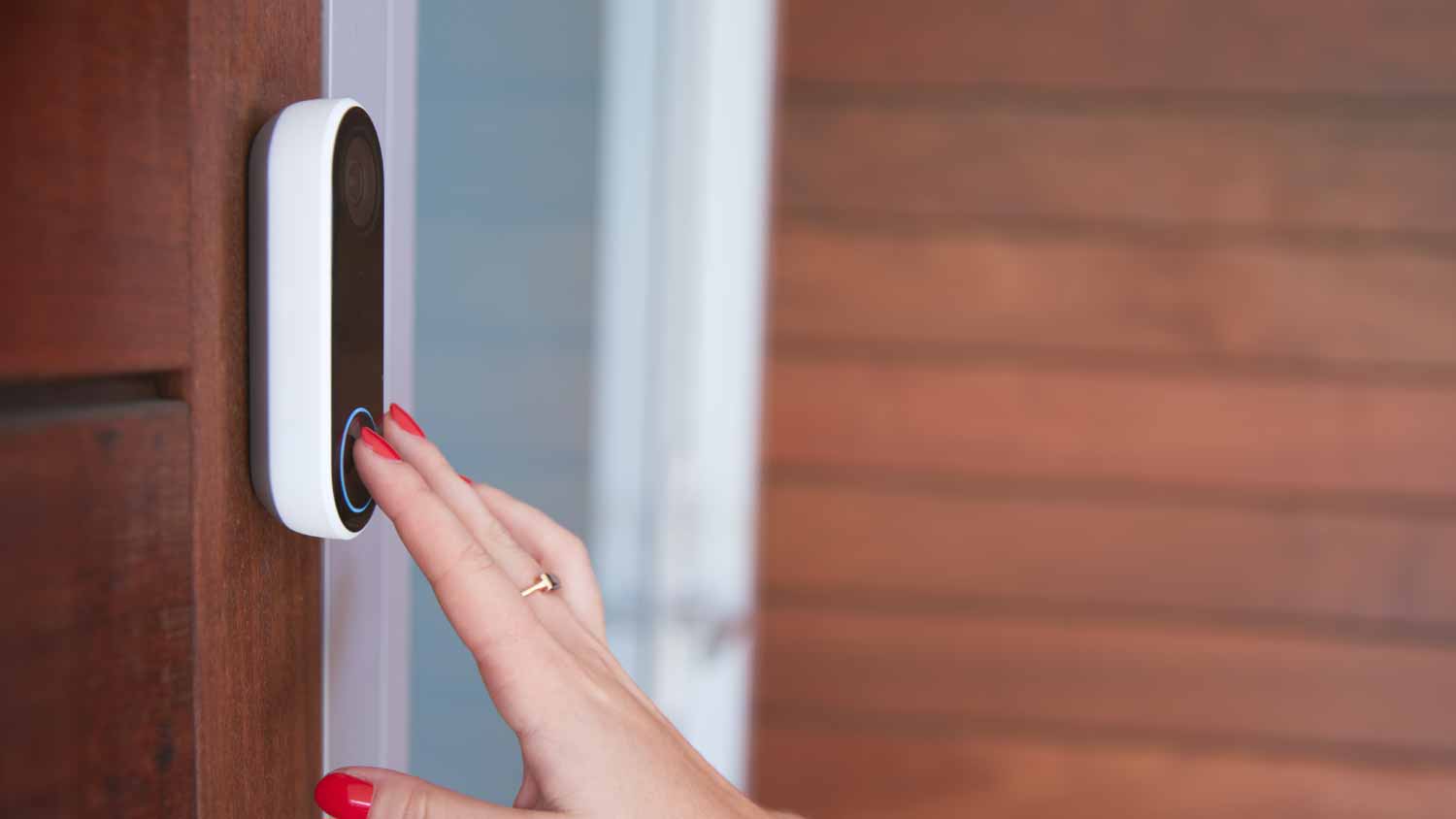
Ready to upgrade your front door and learn how to wire a doorbell? You may be able to handle this relatively simple DIY installation without an electrician.