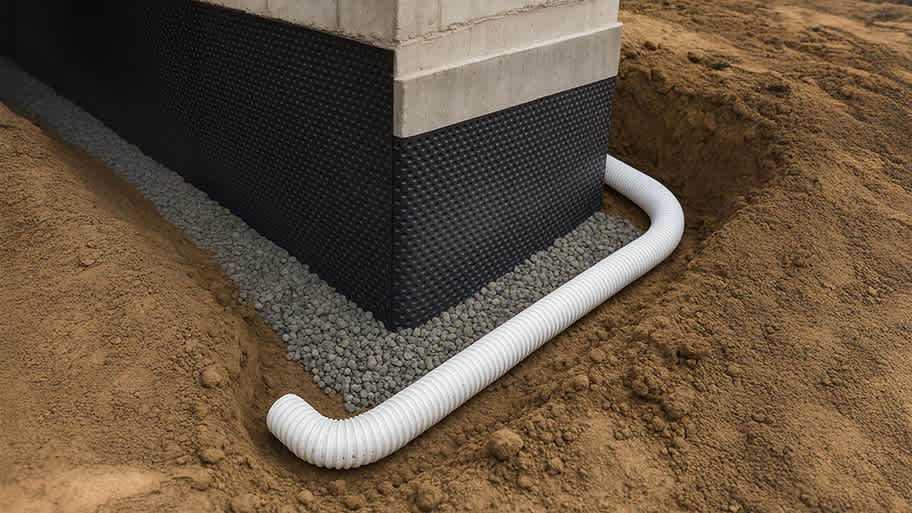






Top-rated foundation drain installation pros.

Get matched with top foundation drain installation pros in Independence, LA

Enter your zip and get matched with up to 5 pros

Need a pro for your foundation drain installation project in Independence, LA?

Select your specific project to find the pro for you.

TRUSTED BY INDEPENDENCE, LA HOMEOWNERS

  • Average homeowner rating star icon4.6
    Average homeowner rating
  • Verified reviews icon155
    Verified foundation drain installation services reviews

Find Foundation drain installation pros in Independence

...
Showing 1-10 of 76
Foundation Drain Installation questions, answered by experts

A sump pump should be placed at least three feet deep in a pit. The rim of the sump pump basin should be level with your basement floor. If you find your pit is too deep, you can fill the bottom with gravel until the rim of the sump pump is flush with the floor.

The cost to install a new sump pump, including materials and professional labor, typically ranges from $1,000 to $3,000. The average cost is often cited between $1,200 and $2,500. Several factors influence the final price, including the type of pump, the complexity of the drainage system, and the installation location. For instance, installing a sump pump in a basement may cost around $1,200, while a more complex installation in a crawl space can cost an average of $3,900. It is important to hire a licensed professional for the installation to ensure quality work, which can impact the pump's lifespan and warranty. Note that these costs are for a new installation; replacing an existing unit is less expensive, typically costing $308 to $748.
Ideally, your sump pump discharge should run down a natural downhill slope 10 to 20 feet away from your home’s foundation. However, if your property is naturally flat, that might not be an option. Instead, you may be able to discharge it into a neighborhood storm drain or a nearby creek or pond. If that’s not possible, consider burying it underground.

A sump pump's lifespan is typically 7 to 10 years, though the general range can be anywhere from 5 to 15 years. The specific type of pump is a major factor: pedestal sump pumps last an average of 20 to 25 years, whereas submersible sump pumps last between 5 and 15 years. While pedestal pumps are less expensive to service, they are also louder and more prone to clogging.

Several other factors influence longevity, including the pump's quality, usage frequency, and maintenance schedule. A high-quality pump that is well-maintained in a dry climate may last for two decades, while a lower-quality, poorly maintained pump in an area with a high water table or frequent flooding may fail in six years or less.

Regular maintenance, including annual inspections and tuneups from a professional, can significantly extend the pump's life. It is time to consider a replacement if your sump pump runs constantly, cycles frequently, shows visible rust or corrosion, or trips a circuit breaker. As a preventative measure, many homeowners replace their pumps every eight years. It's also worth noting that a manufacturer's warranty can indicate expected lifespan, and some home insurance policies may not cover water damage from a pump that is past its recommended replacement date.

A sump pump battery backup can typically run for 6 to 24 hours. The factors that affect its runtime include the battery capacity and pump usage. 

When purchasing your backup system, take these factors into consideration to determine which system is best for your home. If you live in an area with frequent and long-lasting power outages, consider a longer-lasting backup battery.

The Independence, LA homeowners’ guide to foundation drain installation services

From average costs to expert advice, get all the answers you need to get your job done.