





On average, a garbage disposal can last anywhere from 7 to 12 years, with many models functioning well for about 10 years. With heavy usage, a motor may last a minimum of five years, while grinding plates will wear down over time. It's generally a good idea to consider a replacement if your unit is approaching the 10-year mark. Other signs that it's time for a new disposal include frequent leaks, persistent clogs, lingering odors, lack of power, or unusual noises. If your unit is not that old, it's worth investigating if a less expensive part, like a rubber seal or a loose hose, is causing the issue.
There are many maintenance and repair issues that lead to a malfunctioning garbage disposal. Regular clogs place wear and tear on the motors, leading to an eventual shutdown. Electrical issues at the breaker, wall outlet, or disposal itself can fry the unit. The most common cause is simply a worn-down motor. These motors can only handle so much use before powering down for good.
The two main negatives of garbage disposals are they are a safety hazard in homes with children, and they frequently encounter blockage issues. While they might be annoying to fix and monitor, garbage disposals can significantly lower your trash use and are a great way to dispose of organic waste. While there are negatives, the vast majority of homeowners acknowledge the positives are enough to install a disposal in their home.
The main issue with garbage disposals is clogging. This can mean a clogging of the pipes that expel the food along with water, or a clogging of the mechanical parts themselves. The problem lies in the solution because you can’t easily see clogs if they’re inside the system, and reaching in to dislodge stuck items is a risky proposal. Call a pro and ask what they would do, but if you can’t see the clog easily, and running the unit won’t free it, you need to let a professional handle the fix.
Soil is just one of the items you shouldn't put down a garbage disposal. Garbage disposals are only meant for soft, non-fibrous foods. Large amounts of topsoil, dirt, or rocks will damage the blades of your garbage disposal or clog the pipes. If a small amount of dirt goes down the drain as you repot a plant, you shouldn't have to worry, but never dump a whole pot of soil in the sink for fast disposal.
The Independence, LA homeowners’ guide to garbage collection services
From average costs to expert advice, get all the answers you need to get your job done.
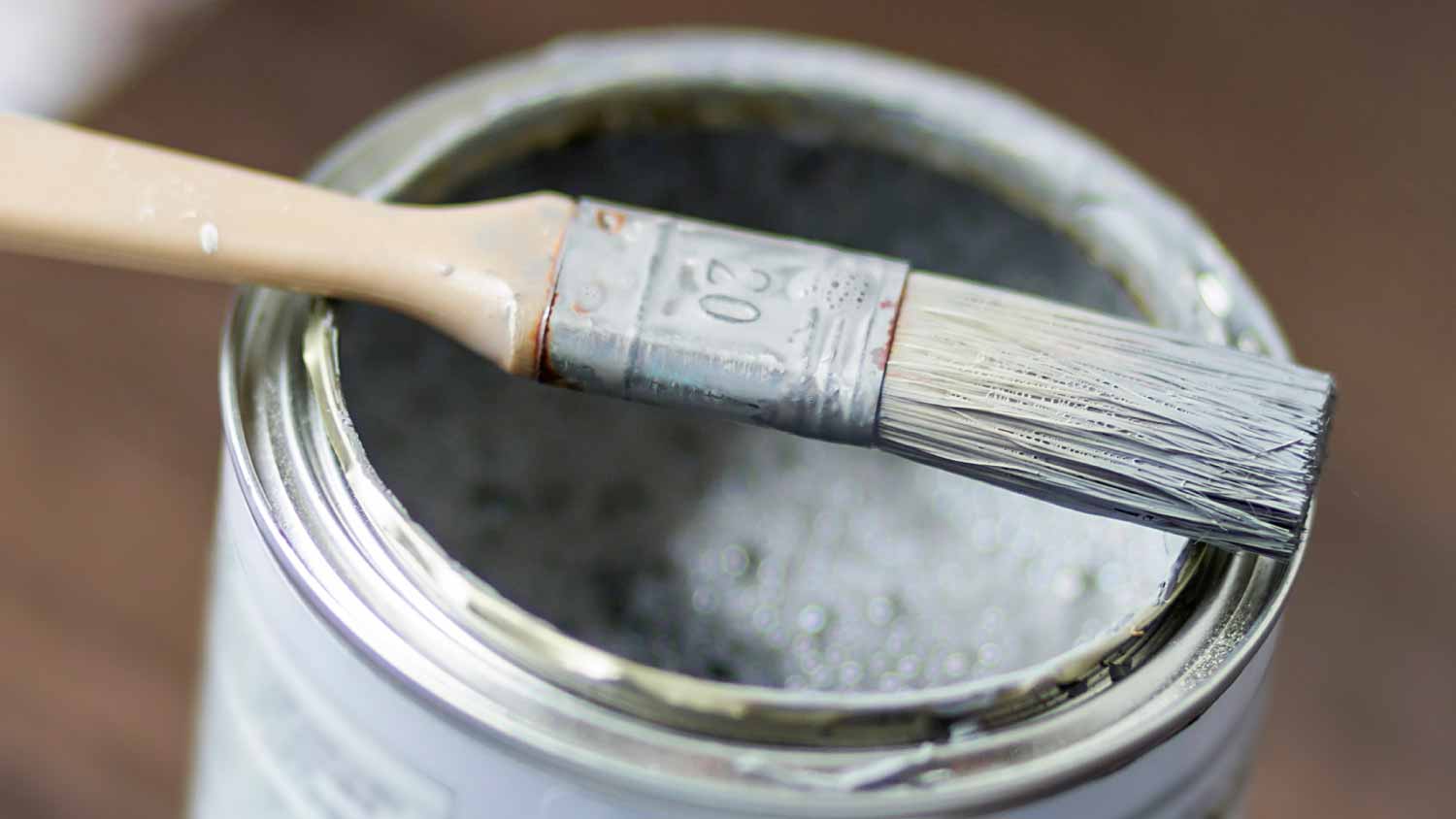
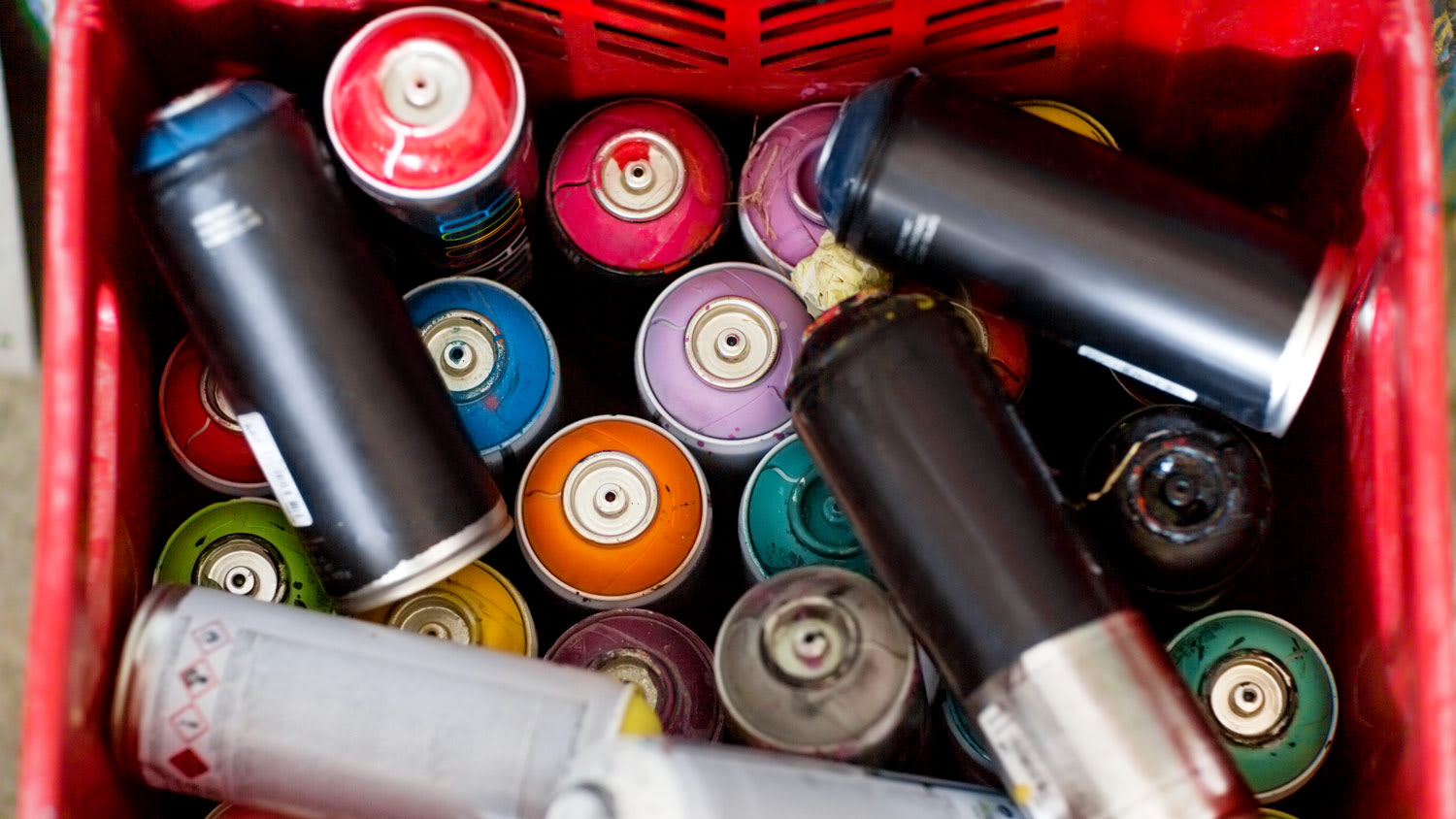
Stains and paints are considered hazardous waste. Learn how to dispose of wood stain safely and the best way to store leftovers between your DIY projects.
Asbestos is a hazardous waste material that requires special disposal. Learn who can transport asbestos waste to stay in compliance and keep yourself safe.