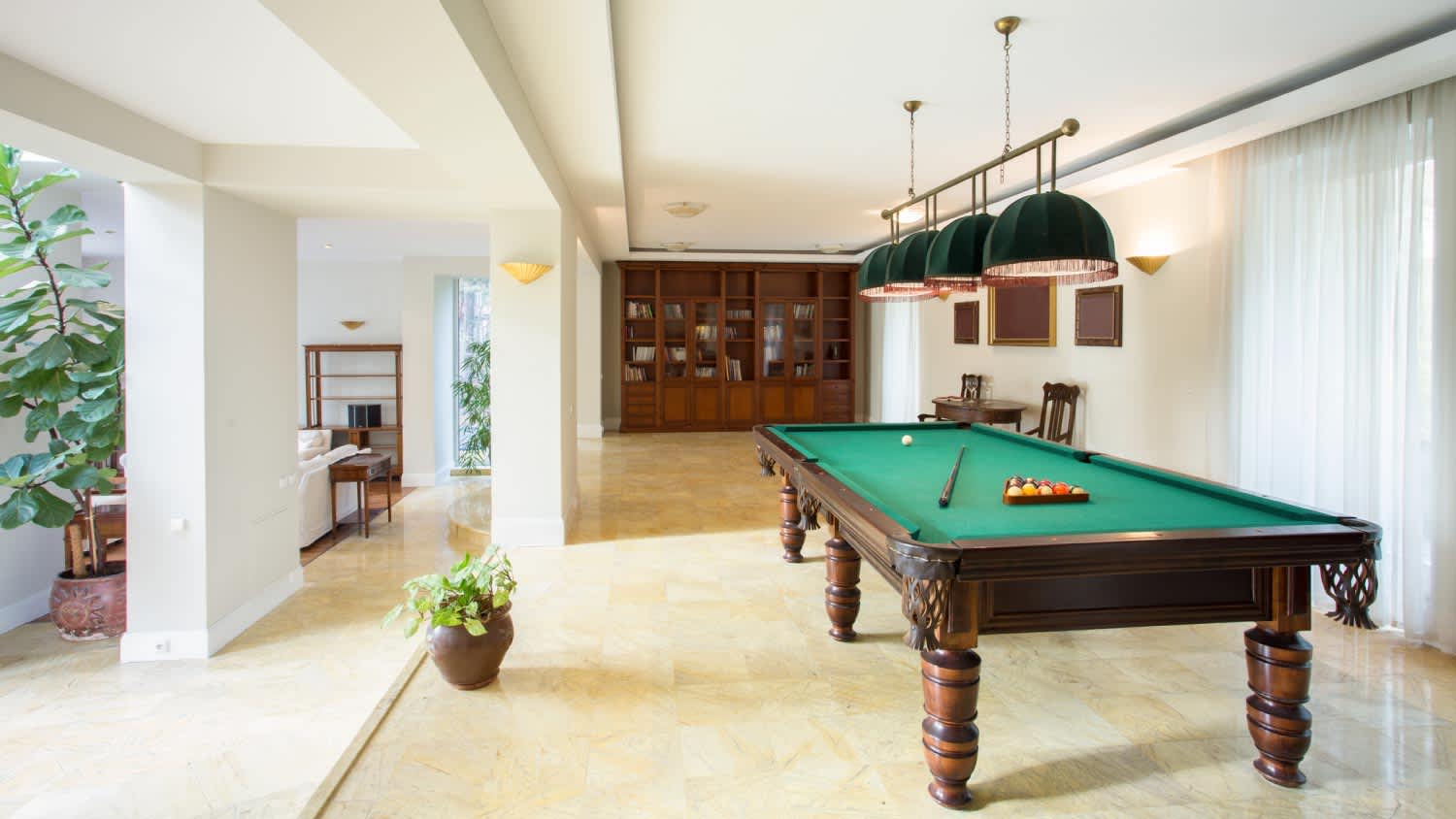






Top-rated pool table assembly pros.

Get matched with top pool table assembly pros in Holden, LA

Enter your zip and get matched with up to 5 pros

Need a pro for your pool table assembly project in Holden, LA?

Select your specific project to find the pro for you.

TRUSTED BY HOLDEN, LA HOMEOWNERS

  • Average homeowner rating star icon4.4
    Average homeowner rating
  • Verified reviews icon199
    Verified pool table assembly services reviews

Find Pool table assembly pros in Holden

Avatar for Drainco
Drainco
5.0(
28
)

Serving Holden, LA and surrounding areas

Approved

In business since 2000

Emergency services offered

Warranties offered

"I’ve had 5 plumbers come to my house to try and fix a problem I was having with my water heater. Bruce is the only one who actually took the burner assembly apart, cleaned the burner which was covered with trash, and replaced the thermocoupler. After reassembling the burner unit, Bruce waited around for a few minutes to make sure everything was working properly. I am very impressed with his concern for customer satisfaction. Bruce is now my “go to” guy for all my plumbing needs."
Response time6 hrs
Recommended by92%of homeowners
James Conway
New to Angi

Serving Holden, LA and surrounding areas

Approved

In the construction business for 35 years and I have talents in every field in construction.\nBuilt my first house at the age of 49 and learned everything I know for being hands on type of person. I’m an engineer at a hotel so I take care of the maintenance and equipment for the building and guest rooms.\nI’m a person that will not tell that I can fix something if I can’t I’m honest and always truthful to my word.

...
Showing 1-10 of 213
Pool Table Assembly questions, answered by experts

Pool leaks most commonly occur at joints or where different materials meet. The most frequent leak spots include:

  • The Pool Skimmer: Where the plastic skimmer meets the pool's liner or shell.

  • The Pool Liner: Tears can develop in vinyl liners, especially those between 5 and 20 years old. Leaks also occur around the liner's edge.

  • Fittings and Accessories: Areas around return lines, the main drain, and pool lights are common culprits.

  • Pool Equipment: The pump, filter, and filter housing can also leak.

While leaks in underground pipes are less common, they can be costly to fix. It's usually best to check the more common spots before investigating the plumbing system.

Yes, you can put too much shock in a pool, and it is crucial to follow the directions on the product you are using. Adding excess shock can upset the chemical balance, make the water cloudy, have adverse effects on swimmers, damage pool equipment or surfaces, and even encourage certain types of algae to grow. If you have over-shocked your pool, perform a water test and adjust the chemicals as necessary. The pool's chemical balance will eventually return to normal as the excess chlorine dissipates over time.

While you should avoid draining an above ground pool on a regular basis, it may be necessary if you are experiencing common signs of major pool problems. When you fully drain your pool, do so slowly with the proper equipment and always avoid draining on a very hot day. In many cases, the pool liner and equipment depend on the cooling effect of the water.

It’s best to avoid draining your pool onto your lawn for several reasons. Most importantly, your local municipality may not allow homeowners to drain pools in areas where it can seep into groundwater. Additionally, draining pool water on your lawn can cause erosion and damage your grass.

The total time to install an inground pool typically ranges from 8 weeks to 4 months. This timeline can be influenced by several factors, including permitting, site preparation, and the construction process itself.

Key phases and their typical durations include:

  • Permits: Obtaining necessary permits can take anywhere from two to six weeks.

  • Excavation and Site Preparation: This phase takes about a week but can be extended by problematic soil, unexpected ground conditions, or the need to move underground utility lines.

  • Construction: The actual build, including plumbing and electrical work, often takes one to two months. The pool material is a major factor here; a concrete pool needs about 30 days to cure, while installing a fiberglass or vinyl liner is much faster.

External factors can also cause significant delays:

  • Contractor Availability: Spring and summer are busy seasons, and high demand can lead to long waitlists, potentially adding months to your start date. It is often recommended to start planning and getting estimates up to a year in advance.

  • Other Delays: Weather, material shortages, complex designs, and other unforeseen challenges can extend the project timeline.

The Holden, LA homeowners’ guide to pool table assembly services

From average costs to expert advice, get all the answers you need to get your job done.