

Top-rated ceramic tile pros.

Get matched with top ceramic tile pros in Glenmora, LA

Enter your zip and get matched with up to 5 pros

Need a pro for your ceramic tile service project in Glenmora, LA?

Select your specific project to find the pro for you.

Find Ceramic tile pros in Glenmora

T&K Tile
New to Angi
Tile: Ceramic and Porcelain - Install

Serving Glenmora, LA and surrounding areas

In business since 2013

Credit card accepted

T&K Tile is committed to excellence in every aspect of our business. We uphold a standard of integrity bound by fairness, honesty, and personal responsibility. Our distinction is the quality of service we bring to our customers. Accurate knowledge of our trade, combined with ability is what makes us true professionals. Above all, we are watchful of our customers' interests, and make their concerns the basis of our business.\n

Response time6 hrs
...
Showing 1-10 of 65
Ceramic Tile questions, answered by experts

Yes, but you should only put tile directly on drywall in smaller areas that don’t experience excess moisture. For example, a small kitchen tile backsplash could work, but installing tile directly on the drywall in a bathroom or other chronically damp area is not a good idea. Either way, a cement backer board is a far more reliable solution, as drywall is susceptible to moisture and can warp or cause your tiles to crack.

The average cost for tile installation is about $2,000, with a typical price range between $500 and $6,500. On a per-square-foot basis, you can expect to pay between $5 and $45 for installation.

Several factors influence the total cost, including:

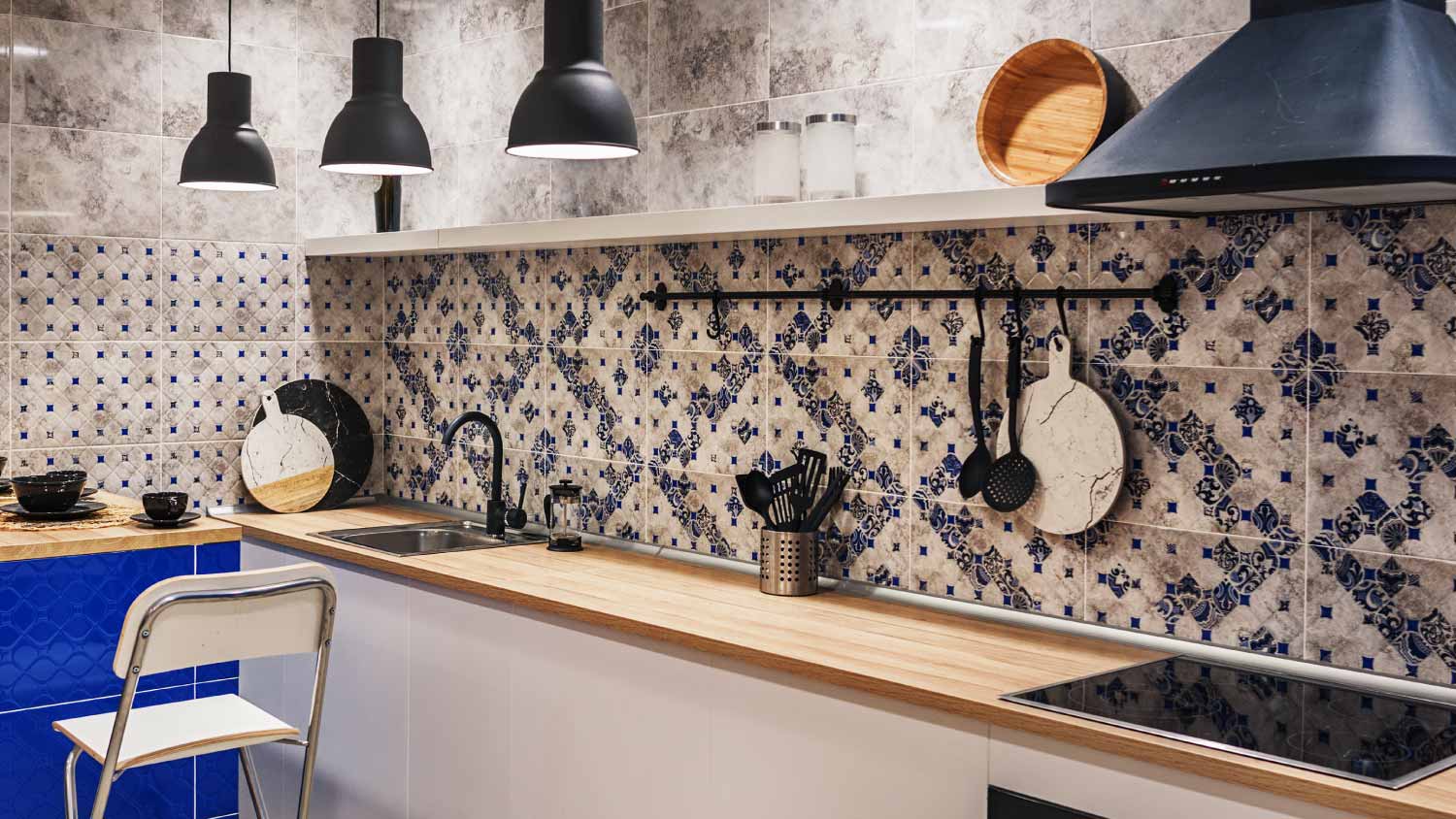
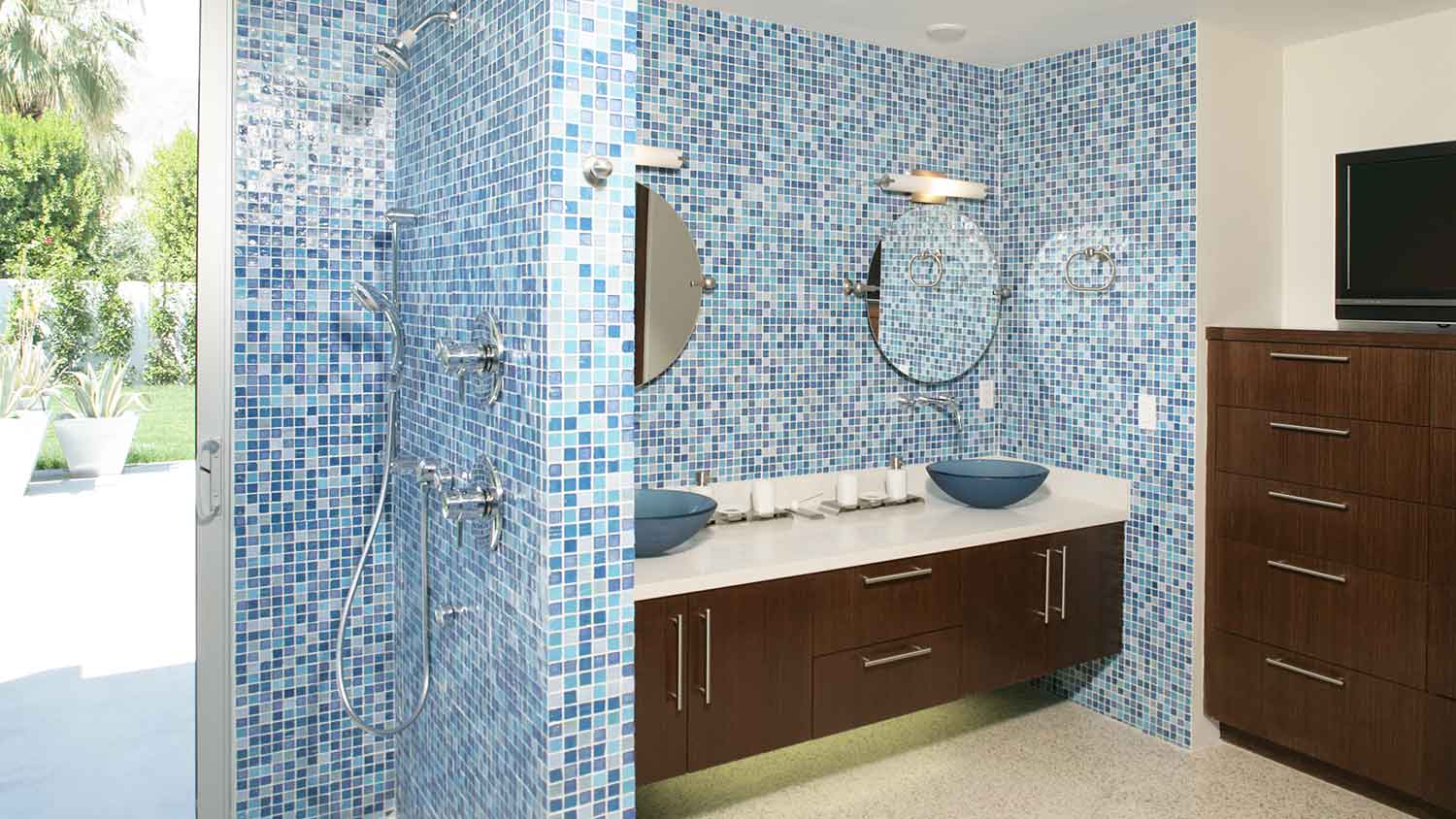
  • Installation Site: Costs vary for different areas. Common project costs are: kitchen floor ($870–$6,100), countertop or backsplash ($500–$3,000), bathroom floor ($300–$2,400), or shower wall ($225–$2,000).

  • Tile Type and Quality: The material significantly impacts price. For example, standard ceramic or travertine tile can cost about $1 per square foot, while luxury options like marble can be as much as $350 per square foot for the material alone.

  • Project Size and Complexity: The total square footage, the complexity of the pattern, and the shape of the tile (e.g., square, rectangle, hexagon, mosaic) will affect labor and material costs.

  • Site Preparation: The amount of prep work needed, such as removing old tile or installing a new subfloor or backer board, can add to the final price.

  • Tile Characteristics: The tile's durability rating and porosity can also influence the price.

  • Location: Labor rates vary by geographic location.

Generally speaking, it is better to cut tile wet when using a fast-moving wet saw to reduce dust and chipping. However, tile can be cut dry when using just about any cutting tool. Dry cutting will result in a bigger mess and may increase the risk of chipping or cracking, but if you’re just making small cuts, dry cutting is a safe and viable option. Cutting dry also means you can apply tile grout sooner, so it’s better for rushed projects.

Silicone caulk shouldn’t be used in place of grout because each material serves its own purpose. Thanks to its flexibility, silicone caulk is good for sealing around the perimeter of tiled floors, where movement and expansion might occur. However, grout is more durable, making it a better option for the joints in between tiles, which need to withstand constant weight and foot traffic.

If the hearth ends against a wall, you can use a tile cutter as you normally would. However, if the edge of your hearth ends with no surface pressing against it,you may want to look into rounded tiles. These give a smooth edge to your hearth and make sure cut edges aren’t visible. You can also see if the tile you have has pieces that have been glazed or rounded on one edge. You’d then cut the tile and place it normally, with the cut edge facing inward. 

The Glenmora, LA homeowners’ guide to ceramic tile services

From average costs to expert advice, get all the answers you need to get your job done.