




Top-rated arborists.

Best arborists near Gibsland, LA

Enter your zip and get matched with up to 5 pros

Need a pro for your arboricultural service project in Gibsland, LA?

Select your specific project to find the pro for you.

TRUSTED BY GIBSLAND, LA HOMEOWNERS

  • Average homeowner rating star icon4.9
    Average homeowner rating
  • Verified reviews icon16
    Verified arboricultural services reviews

Top-Rated Arborists in Gibsland - Updated Nov 2026

Lex's Best For Less Gorillaz Tree Service
4.8(
35
)
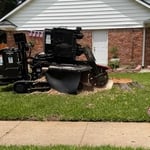
Tree Stump - RemoveTree Stump - Remove - For Business

Serving Gibsland, LA and surrounding areas

Approved

In business since 2018

Free estimates

Emergency services offered

"I have an extremely weird back yard. 3 levels to it, retaining walls, new fence, all this in a residential neighborhood. I had a HUGE oak tree. over 150 foot tall, 8-10+ feet diameter at the base. MASSIVE to say the least.... Lex and his team were very efficient and timely in getting this poor diseased tree down. He was very honest and upfront with the cost and what it was going to take to get this done. My yard isn't the easiest to get to let alone chop an entire tree up in.,..He made it happen .. I will be calling Lex again for the next one!"
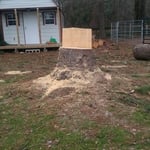
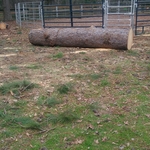
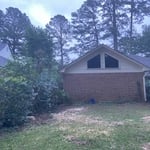
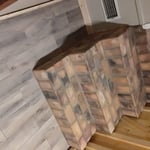
A seat for the Owners.
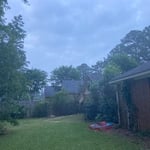
An obstacle for the horses
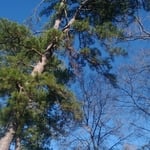
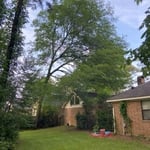
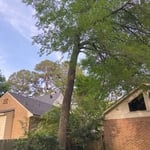
Large pine  tree leaning over barn
Response time2 days
2 neighbors recently requested a quote
Recommended by94%of homeowners
Showing 1-10 of 37
Arborists FAQs, answered by experts

Palm tree stumps can take as long as seven to ten years to rot naturally. Whereas some tree stumps rot within a year, palm trees tend to last longer due to their deep root networks. Chemical rotting (described above) can help speed the process up so your palm tree stumps rot in under two months.

Not all leaning trees are dangerous, but they can be a hazard as gravity may eventually cause them to fall. A key factor is whether the lean is new or has been present for a long time. Trees that have grown with a lean for years are not typically an immediate danger, but a sudden lean is a cause for concern as it often indicates weakening roots. If a tree is leaning more than 15% from vertical, you should consider having it straightened or transplanted. To be safe, it's always best to hire a professional arborist to inspect any leaning tree to assess the risk and avoid potential accidents.

You’ll have to balance up the cost, the value of the tree (sentimental or otherwise), and the risk factors. An experienced arborist will help you understand whether transplanting is likely to be successful. The cost and hassle of transplanting a large, well-established tree are often not worth it, especially if the species is fast-growing and easy to source. The decision depends on the age and species of the tree, the conditions in the new site location, and how careful the company is when digging out and moving the tree.

If executed correctly your tree should survive after being transplanted to a new spot. However, effective transplanting requires six months, careful root pruning, safe transport to the new location, and replanting in prime soil conditions. You’ll also need an appropriately sized root ball for a complete tree transplant. A good rule of thumb is that, for every inch in diameter, your tree’s root ball needs to be around 11 inches. So a tree with a diameter of six inches needs a root ball of approximately 66 inches.

It depends on the type of tree. Typically, late spring on the cusp of winter is ideal for trees about to emerge from dormancy and produce new buds. That said, late fall is ideal for certain deciduous trees prone to bleeding sap. Avoid trimming trees in early spring, when they’re prone to disease.

The Gibsland, LA homeowners’ guide to arboricultural services

From average costs to expert advice, get all the answers you need to get your job done.