Top-rated lead testing and removal specialists.

Best lead testing and removal specialists near Saint Matthews, KY

Enter your zip and get matched with up to 5 pros

Need a pro for your lead testing and removal project in Saint Matthews, KY?

Select your specific project to find the pro for you.

Top-Rated Lead testing and removal specialists in Saint Matthews - Updated Nov 2026

Asbestos Mold Demolition
New to Angi
Toxic Lead - Abatement

Serving Saint Matthews, KY and surrounding areas

Free estimates

Credit card accepted

Offers commercial services

Our company invites you to experience prompt service and superior attention to detail. Our customer satisfaction is our top priority. We will earn your trust for a lifetime. We believe in making all clients repeat clients. You can be assured you're in good hands with our company working on your home improvement project. If you are looking for a contractor that follows business practices such as promptly returning phone calls, arriving on time for appointments and following through on promises then call our reputable company today We will be the one and only contractor you'll ever need. Call us today you'll be pleased you did. Thank you! \n

Lead Testing and Removal FAQs, answered by experts

You can expect to pay between $200 and $400 for a lead inspection, where your local lead testing pro will scan surfaces and items with an X-ray fluorescent analyzer. Lead risk assessments are slightly different and run around $800 to $2,000. A pro may find lead during an evaluation, and create a removal strategy.

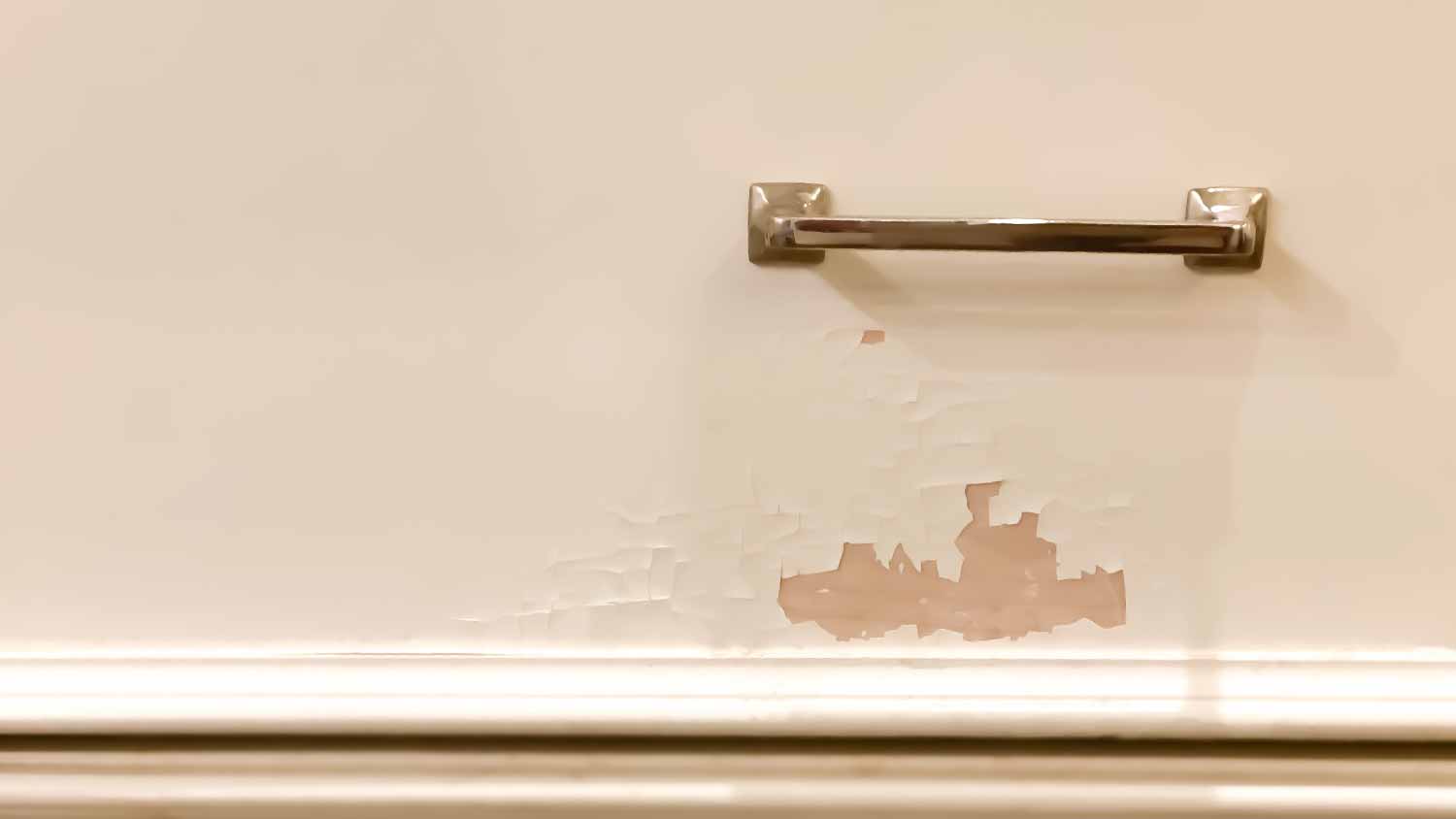
A lead paint inspection is a thorough examination and assessment of a building or structure to determine the presence of lead-based paint. Lead-based paint was commonly used in buildings before 1978 when its health hazards were fully understood. Lead is toxic and can pose health risks, particularly to young children and pregnant women. Getting a lead paint inspection means finding a lead paint inspector to examine the surfaces of the building—such as walls, ceilings, doors, windows, and other painted areas—and identify the presence of lead-based paint.

According to the Environmental Protection Agency (EPA), hazardous waste is generally classified into four main categories:

1. Characteristic Wastes: These exhibit at least one of four hazardous traits: ignitability (flammable, like gasoline), corrosivity (can rust or decompose materials, like car batteries), reactivity (unstable and can explode, like aerosol cans), or toxicity (harmful when ingested, like lead-based paint).

2. Listed Wastes: These are specific wastes from manufacturing and industrial processes that the EPA has officially designated as hazardous. They include byproducts from processes that use solvents, pesticides, and other chemicals.

3. Universal Wastes: These are commonly generated hazardous items that are subject to streamlined regulations. Examples include batteries, pesticides, mercury-containing equipment (e.g., bulbs), and some lamps.

4. Mixed Wastes: This category includes waste that contains both hazardous and radioactive components, making it subject to regulation by both the EPA and the Nuclear Regulatory Commission.


Determining if your water main contains lead involves a few steps. First, check the age of your property, as homes built before the 1980s might have lead pipes. Contact your water utility company for information on your service line material. Then, you can hire a professional plumber to conduct an inspection or use a lead testing kit to analyze water from the main line.

Iron sediments from rusty pipes are not likely to cause health problems. While a glass of yellow-hued water is off-putting, it is generally safe to drink yellow water in the short term. But you certainly want to address this problem. In the meantime, switching to bottled water until the yellow water issue is resolved is a good idea. 

The Saint Matthews, KY homeowners’ guide to lead testing and removal services

From average costs to expert advice, get all the answers you need to get your job done.