





Top-rated arborists.

Get matched with top arborists in Irvington, KY

Enter your zip and get matched with up to 5 pros

Need a pro for your arboricultural service project in Irvington, KY?

Select your specific project to find the pro for you.

TRUSTED BY IRVINGTON, KY HOMEOWNERS

  • Average homeowner rating star icon4.1
    Average homeowner rating
  • Verified reviews icon16
    Verified arboricultural services reviews

Find Arborists in Irvington

Highline Excavation
New to Angi
Tree RemovalTree Stump - RemoveTree Trimming

Serving Irvington, KY and surrounding areas

Approved

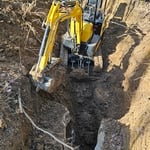
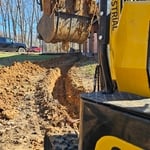
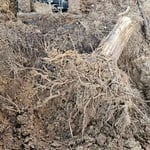
Hi, I'm Isaiah, owner of Highline Excavation. I provide dependable excavation services throughout Owensboro, Bowling Green, Henderson, Evansville, and the surrounding areas. Whether you need a building pad, grading/sloping, trenching, gravel driveway installation or repair, land clearing, small demolition, or junk removal, I show up on time, work hard, and treat every job like it's my own property. If you're looking for honest work, fair pricing, and someone who takes pride in doing the job right the first time, I'd love the opportunity to earn your business. Reach out for a free estimate!\n

1 neighbors recently requested a quote
Avatar for Little Stump's Stump Removal
Little Stump's Stump Removal
4.8(
45
)
Tree Stump - RemoveTree Stump - Remove - For Business

Serving Irvington, KY and surrounding areas

In business since 1979

Free estimates

"They were great! They did what they said they would do. They were prompt and just did a great job! We are hiring them again to cut down more trees and remove the stumps."
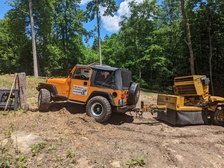
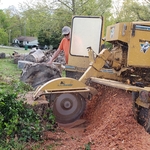
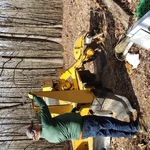
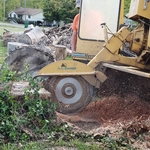
Stump Grinding
Stump Grinding
Stump Grinding
Stump Grinding
Stump Grinding

+2

Response time2 hrs
Response rate97%
Recommended by92%of homeowners
...
Showing 1-10 of 55
Arborists questions, answered by experts

A tree growing close to a house can pose several risks, but removal isn't always the only or best solution. Potential problems include roots growing into the foundation and causing structural cracks, branches damaging the roof or promoting moss growth, and debris clogging gutters, which can lead to water damage. Trees can also provide access for pests and encourage mold. However, a small, healthy tree may not be a problem, and for larger, established trees, strategic trimming can be a cheaper and more beneficial alternative to removal. It is generally recommended to take action for trees within 10 to 20 feet of your home, especially if they are unhealthy or encroaching. Your best bet is to consult a professional arborist who can assess the specific situation and provide expert advice.

Peach trees grow to be about 25 feet, so keep this in mind for pruning as well. If you plan to DIY, you’ll need to be comfortable working on a ladder. Without pruning, peach tree branches can sprawl nearly as wide as the tree grows tall, so make sure to plan pruning sessions at least once per year in the spring for controlled growth. And if you’re working on a ladder, be sure to follow all safety precautions, especially if you’ll be dealing with falling branches.

On average, tree removal costs around $750, with a typical range between $200 and $2,000. The final price depends on several factors, including the tree's height, trunk diameter, species, and overall health. Accessibility is also a key factor; costs will be higher if the tree is in a hard-to-reach area or located near structures like power lines or your home. Additional costs may apply for services such as stump removal (which can add $100 to $150), log-splitting, debris cleanup, and obtaining necessary permits. It is also customary to tip the professional, usually between $20 and $100.

Yes, healthy and well-placed large trees can boost property value by an average of 3% to 15%. They improve curb appeal, offer energy savings through shade and wind protection, and are often considered by appraisers during home valuation. On the flip side, removing dead or hazardous trees can also increase value by eliminating safety risks. For the biggest return, choose low-maintenance, native species that thrive in your climate.

The exact answer to this question depends on which region of the country you’re talking about, but according to various tree counts, some of the most common types of trees in the United States include red maple, Douglas fir, quaking aspen, loblolly pine, and sweetgum.

The Irvington, KY homeowners’ guide to arboricultural services

From average costs to expert advice, get all the answers you need to get your job done.