Top-rated driveway sealcoating pros.

Best driveway sealcoating pros near Cold Spring, KY

Enter your zip and get matched with up to 5 pros

Need a pro for your driveway sealcoating project in Cold Spring, KY?

Select your specific project to find the pro for you.

TRUSTED BY COLD SPRING, KY HOMEOWNERS

  • Average homeowner rating star icon4.4
    Average homeowner rating
  • Verified reviews icon75
    Verified driveway sealcoating reviews

Top-Rated Driveway sealcoating pros in Cold Spring - Updated Nov 2026

Across Town Foundation Solutions
4.7(
106
)
Asphalt SealingAsphalt Sealing- For Business

Serving Cold Spring, KY and surrounding areas

In business since 1979

Free estimates

Credit card accepted

"I called the company for concrete work but they do restoration only. They were very polite and professional on the phone and took the time to hear my project needs. Too bad they don't do the work I needed, would have been a pleasure to work with them. Since they were so quick to respond I will keep their info in my business folder.
"
Recommended by97%of homeowners
Avatar for EverLine Coatings and Services
EverLine Coatings and Services
5.0(
4
)
Asphalt Sealing- For Business

Serving Cold Spring, KY and surrounding areas

In business since 2023

Free estimates

Emergency services offered

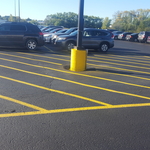
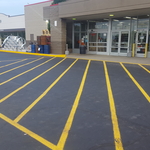
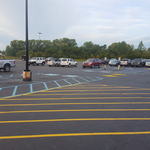
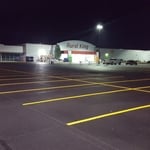
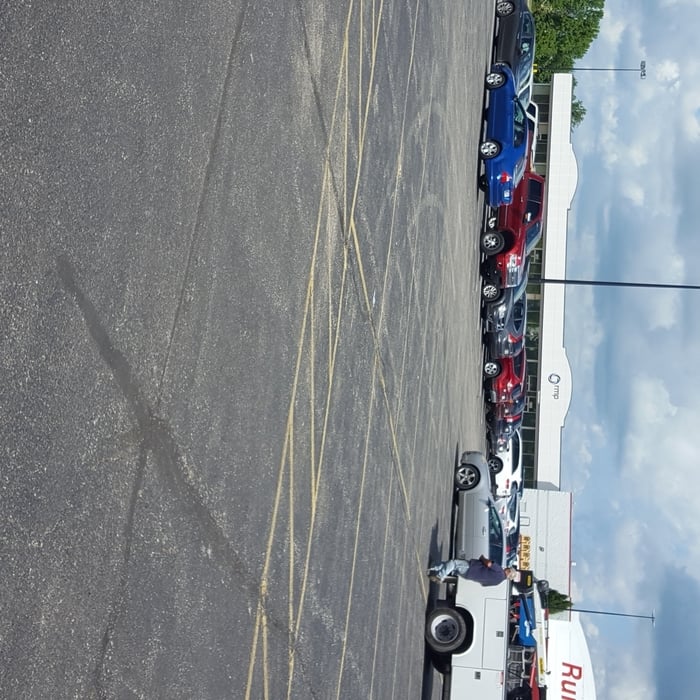
"We recently hired Everline Coatings to repaint the parking space lines in our lot, and we couldn’t be happier with the results. The team was professional, efficient, and easy to work with from start to finish. They completed the job quickly without sacrificing quality, and the parking lot looks fantastic. We highly recommend Everline Coatings for anyone in need of reliable and high-quality line painting services!"
Prepping, jetting and filling cracks
Clearing Driveway with backpack blower then cracks
Seal Coating the Driveway
Protective Masking provides a clean edge.
A completed Crack filled and seal coated driveway

+1

Response time1 day
Response rate93%
Recommended by25%of homeowners
Showing 1-10 of 40
Driveway Sealcoating FAQs, answered by experts

Ideally, you should seal your driveway when there won’t be rain for several days, but at a minimum, there can’t be rain for at least 24 hours. If it rains shortly after you seal your driveway, the water can wash away the sealer and render your work useless. You’ll have to wait for your driveway to dry out and try applying again. Note that some sealers—like oil-based sealers or specialty fast-drying sealers—may cure faster. Ask your contractor for information on timing before the install, and if there’s rain in the forecast, postpone the job.
The best ways to increase the lifespan of your driveway are to carry out proper maintenance and get repairs done quickly. First, reseal your driveway every one to three years to protect it from the elements. If you start to notice significant cracks, hire a professional to diagnose the problem before it gets more serious. You can also use sand instead of salt when de-icing your driveway (since salt is corrosive) and clean your driveway annually using a pressure washer to keep it in tip-top shape.

Instead of a set number of types, asphalt comes in variations designed for different needs. Some are categorized by temperature—hot mix, warm mix, and cold mix. Others are sorted by composition, like dense-graded, gap-graded (such as Stone Matrix Asphalt), porous, and mastic asphalt. There are also modified versions with added compounds like polymers, rubber, or emulsions. Instead of focusing on a number, it may be more useful to understand how contractors customize asphalt for durability, climate, and traffic conditions.

Though they may look similar, tar and bitumen come from different sources. Bitumen is a petroleum product—extracted during crude oil refining—and is mostly made up of hydrocarbons. Tar comes from burning down organic materials like coal or wood. Bitumen is strictly oil-based, while tar is a mix of compounds from natural sources. Both are used as binders in paving; however, bitumen is the standard for today’s asphalt. Tar use has mostly faded out of road construction.

Asphalt dries and cures best between 50 and 85 degrees Fahrenheit. This range allows moisture to evaporate quickly without causing the asphalt to cool too fast, which can negatively affect the drying process. However, keep in mind that other weather conditions can also affect curing and drying times, such as precipitation and humidity.

The Cold Spring, KY homeowners’ guide to driveway sealcoating

From average costs to expert advice, get all the answers you need to get your job done.