





Top-rated energy efficiency auditors.

Get matched with top energy efficiency auditors in Baxter, KY

Enter your zip and get matched with up to 5 pros

Need a pro for your energy efficiency auditing project in Baxter, KY?

Select your specific project to find the pro for you.

Find Energy efficiency auditors in Baxter

Avatar for Renewable Engineered Systems
Renewable Engineered Systems
4.7(
12
)
Energy Audit - For BusinessHome Energy Audit

Serving Baxter, KY and surrounding areas

In business since 1998

Free estimates

Emergency services offered

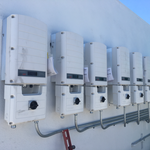
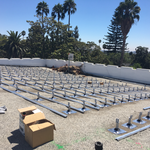
"Wonderful, it was a very quick and easy process. Brian talked us through it and in no time we had a 3KW system mounted on a frame in the garden and the invertor installed in the basement. Brian talked us through working with our power company to get the system checked and approved and we now get credits from the power company for power we provide to the grid. In addition we are set up to get Solar Renewable Energy Credits (SRECs) payments for providing clean energy. We also got a free Energy Audit which helped locate some problems areas we were able to fix. The system has basically cut our energy costs in half. I have hesitation in recommending them to anyone interested in solar energy."
Additional Photos
Additional Photos
Additional Photos
Additional Photos
Additional Photos

+14

Recommended by100%of homeowners
Energy Efficiency Auditing questions, answered by experts

STC (Sound Transmission Class) is a rating that describes how well a building material or assembly blocks airborne sound. A higher STC rating means less noise will pass through the material, providing better sound reduction. This rating system applies to various building components, including windows, doors, flooring, drywall, and insulation.

For context, a typical single-pane window has an STC rating of around 25 (where normal conversations are audible), while a well-sealed, double-pane window can exceed STC 45 (blocking loud speech and most music). It is important to note that for some products, like soundproofing drywall, the STC rating refers to the entire wall system, not just the individual panel.

Additionally, STC ratings are most effective for measuring sound reduction at mid-to-high frequencies, such as human speech, and may not accurately reflect how well a material blocks low-frequency sounds like bass music or thunder. Because of these factors, it is recommended to consult a professional to determine the right STC-rated materials for your specific soundproofing needs.

A whole-house humidifier can positively impact energy consumption by improving heating efficiency. During colder months, humidified air feels warmer, which allows you to lower your thermostat without sacrificing comfort. This adjustment can lead to significant energy savings as your heating system works more efficiently. However, it's important to use the humidifier judiciously, as excessive humidity could potentially strain your cooling system in warmer months.

A home energy audit costs about $420 on average, with prices ranging from $100 to $2,250 or more. The final cost depends on factors like your home's size, location, the thoroughness of the audit, and the specific tests performed. A basic Level 1 walk-through inspection typically costs between $150 and $200, while a comprehensive Level 3 audit with detailed testing and a report costs around $900. Homeowners may be able to use the 2022 Inflation Reduction Act’s Energy Efficient Home Improvement credit to cover up to $150 of the audit cost.

Costs for common individual tests include:

  • Blower door test: $350

  • Duct testing: $100

  • HERS test: $375

  • HERS certification: $200

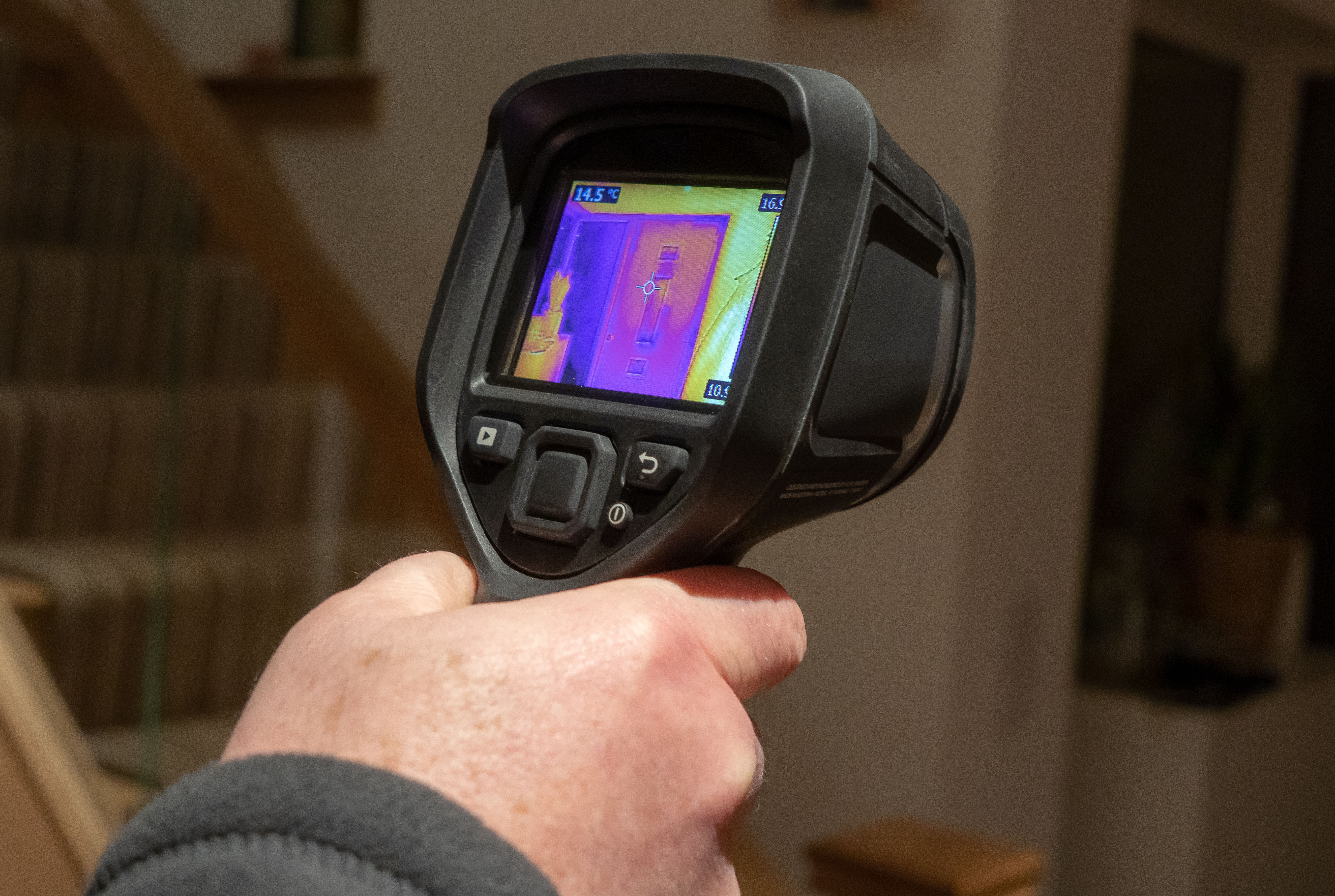
  • Infrared imaging: $200

To determine the right size generator for your house, you should calculate the total wattage of the appliances and devices you want to power during an outage. List all essential items, note their start-up wattages, and add them together.

Here are some typical wattage requirements for common appliances:

  • Refrigerator: 600 watts

  • Large dehumidifier: 700 watts

  • Large window air conditioner: 1,400 watts

  • Water heater: 3,000 to 4,500 watts

  • Electric furnace: 5,000 to 25,000 watts

A 7,500-watt generator might be sufficient for essentials like a refrigerator, freezer, well pump, and lighting circuits. However, for high-demand items like a water heater or furnace, a whole-home generator is a better choice. A portable generator may be enough if you only need to power a few critical items.

While home square footage can offer a rough estimate, it is not always a reliable indicator. For reference, here are some typical generator sizes based on square footage:

  • 1,000 sq ft: 6–9 kW

  • 1,500 sq ft: 7–10 kW

  • 2,000 sq ft: 10–14 kW

  • 2,500 sq ft: 12–16 kW

  • 3,000 sq ft: 16–20 kW+

For the most accurate sizing, consult a professional who can calculate your home's peak and average power consumption and recommend the optimal generator.

Smart glass doesn’t use a lot of electricity, and you can expect a standard window to add between $1 and $2 per year to your electric bills. Smart glass is proof that energy-efficient windows work. Although your smart windows may consume a little energy to operate, they can save enough energy to offset the costs. If you’re concerned about the minimal bump to your electricity consumption, you can opt for smart tint, which doesn’t require electricity to work.

The Baxter, KY homeowners’ guide to energy efficiency auditing services

From average costs to expert advice, get all the answers you need to get your job done.