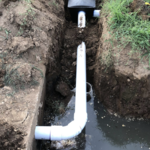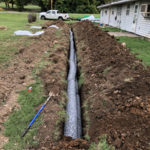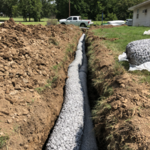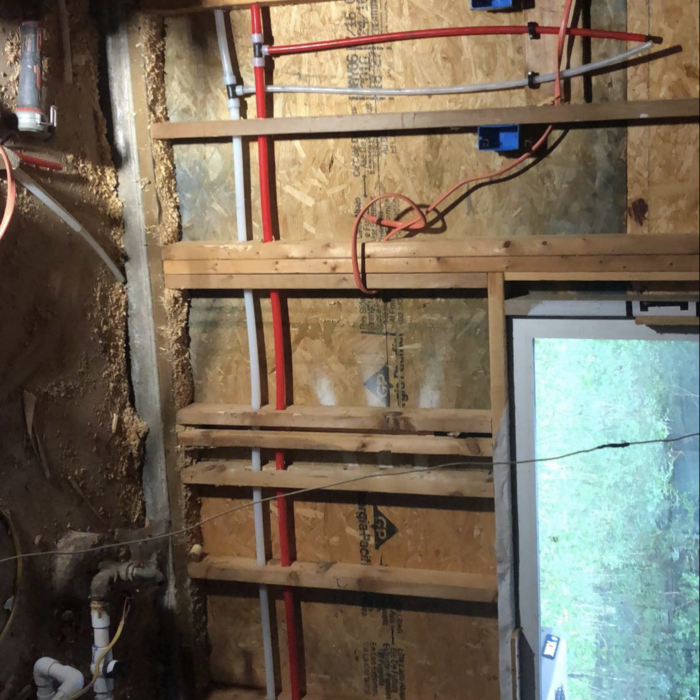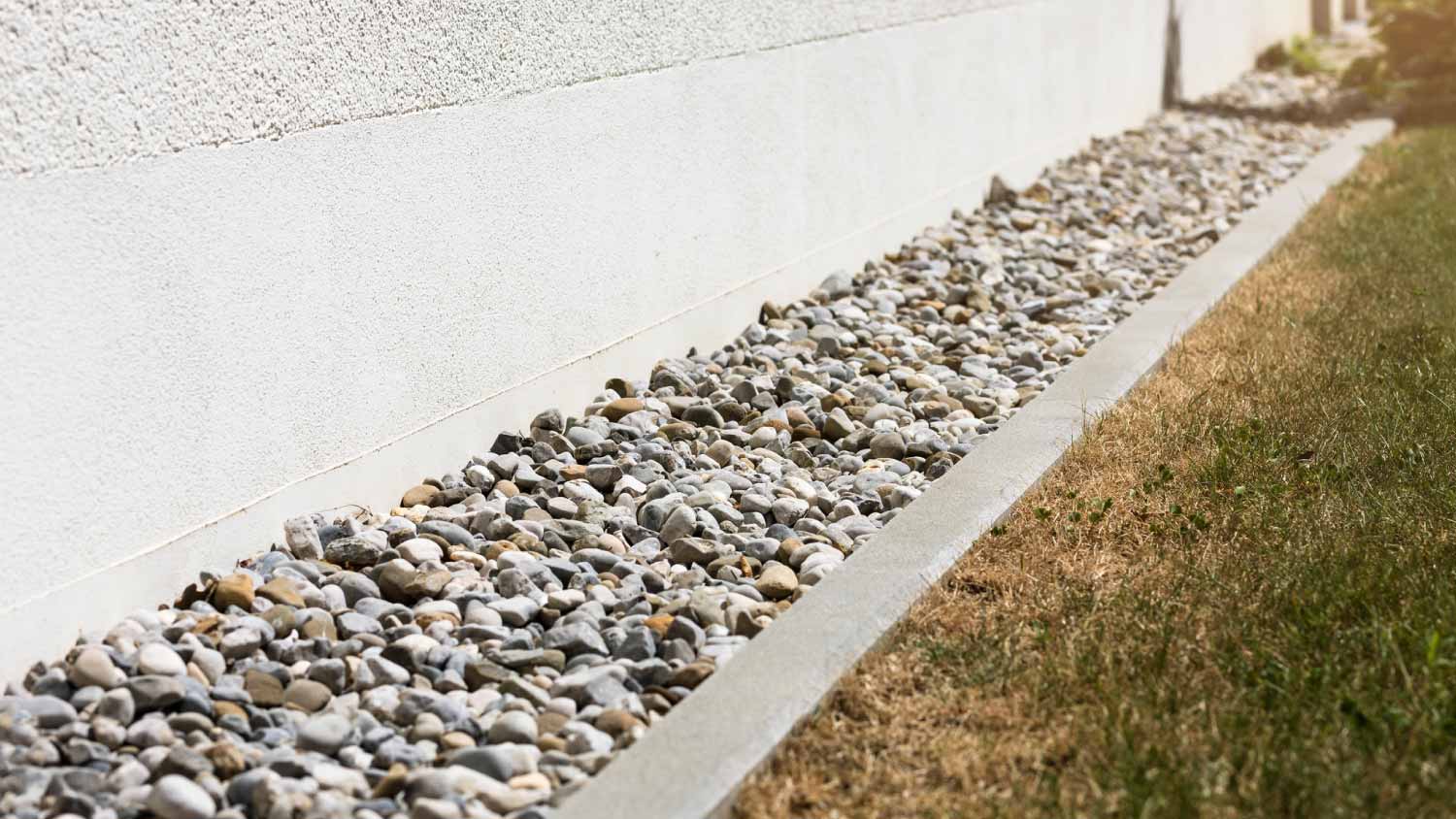





Top-rated foundation drain installation pros.

Get matched with top foundation drain installation pros in Weir, KS

Enter your zip and get matched with up to 5 pros

Need a pro for your foundation drain installation project in Weir, KS?

Select your specific project to find the pro for you.

TRUSTED BY WEIR, KS HOMEOWNERS

  • Average homeowner rating star icon3.9
    Average homeowner rating
  • Verified reviews icon25
    Verified foundation drain installation services reviews

Find Foundation drain installation pros in Weir

Avatar for Foundation Recovery Systems
Foundation Recovery Systems
4.3(
294
)
Sump Pump or Interior Foundation Drains - Install

Serving Weir, KS and surrounding areas

Approved (Corporate)

In business since 1992

Free estimates

Warranties offered

"Cory Guerra came and inspected my home. Unfortunately due to my financial situation I am unable to move forward currently. I recommend giving foundation recovery systems a call. Cory did excellent at explaining what is going on with my basement."

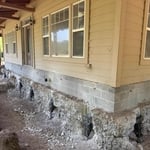
Protect Your Basement Before & After
Correct Your Wet Basement
Protect Your Basement
Waterproof Your Basement
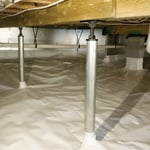
Protect Your Concrete Before & After

+16

90 neighbors recently requested a quote
Recommended by89%of homeowners

Stabil-Loc of Kansas City LLC
5.0(
5
)
Foundation Drainage - Install or Replace

Serving Weir, KS and surrounding areas

Credit card accepted

"The guys at Stabil Loc were very professional and did an amazing job. With the wet summer, we had this year, I noticed that my basement needed to be waterproofed . I looked up local companies in the area and they were the only one that stood out to me. I can tell you that the reviews I read online were so true. They did such a good job that their work did not detract from my day to day activities. I would recommend them to anyone. It is not common to find a business like this anymore who are so dedicated to customer satisfcation."
Recommended by100%of homeowners
Showing 1-10 of 48
Foundation Drain Installation questions, answered by experts

A sewage ejector pump is necessary if you have any plumbing fixtures, such as a bathroom, laundry room, or sink, located below the level of your home's main sewer line. Standard plumbing relies on gravity to drain wastewater and solid waste into the municipal sewer system or a septic tank. For fixtures below this level, like those in a basement, gravity cannot move the waste upward. The ejector pump provides the force needed to pump the sewage up to the main line. Without one, wastewater from below-ground fixtures would back up, potentially causing a sewage overflow and flooding. If all of your plumbing is on the main floor or higher, gravity is sufficient and an ejector pump is not needed.

There are a couple of similar alternatives you may consider for a sewage ejector pump, including a grinder pump or a submersible sump pump. Submersible sump pumps protect your home from flooding from outside water, though, rather than handling wastewater from inside. A grinder pump macerates, or shreds, solid waste before pumping it onward to the sewer line.

Whether to waterproof your basement from the interior or exterior depends on several factors, including your budget.

Exterior waterproofing is generally considered the superior method because it stops water at the source, preventing it from seeping into and damaging your basement walls. This approach offers the most protection, making it ideal if you use your basement for storage.

By contrast, interior waterproofing is often less expensive and requires less labor because the area is more accessible.

For maximum protection against water leakage and moisture, applying waterproofing measures to both the inside and outside is the best solution. However, if you must choose only one, stopping water from the outside is the most effective approach to preserve your foundation and prevent damage.

A small sump pump running infrequently uses an average of 10 kilowatt-hours (kWh) of electricity per month. The average cost for electricity is $0.171 per kWh. The size and use frequency affect how much electricity it uses. Sump pumps average one-third to one horsepower (hp) motors. One hp is equal to 745.7 watts. Watts multiplied by the time your pump is running divided by 1,000 equals your average kWh. Multiply kWh by your average cost of electricity. In areas with high rain or a marsh basin, the average cost can be as high as $15-$25 a month.

Yes, you can install a sump pump yourself. By following the steps above, you can have a sump pump installed in 24 hours. You will have to use some advanced tools and techniques, so if you feel uneasy about taking it on yourself, it’s best to hire a professional.

The Weir, KS homeowners’ guide to foundation drain installation services

From average costs to expert advice, get all the answers you need to get your job done.