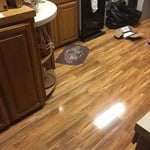
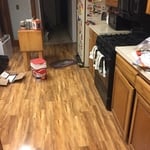
We are dedicated to being number one in all areas from customer service to overall job satisfaction. Our contractors are the best of the best, fully trained and safety oriented. \nWe have been serving the Junction City area since 2007.
"The company was able to start right away. They were flexible with working with my plumber to get sump pump drains in the concrete. The floor looks great. I almost hate cover it with carpet. I ended up hiring the company to do my sidewalk as well. Sidewalk was pricier than I expected but looks great!"
Mr. Fix It & Son is a locally owned and operated home improvement contractor proudly serving Garden City, KS, and the surrounding area with over 30 years experience in the trade. We take pride in our customer service, professionalism, and attention to detail, making sure each and every project is "Done Right the First Time." We look forward to earning your business, and exceeding your expectations. Call today to schedule.
Grew up in se Colorado on a farm learning how to fix and maintain equipment, buildings and all other aspects of self sustainable living including mechanics, welding, plumbing electrical and carpentry, although mechanics is the only one I am licensed in
H&A Dumping Services LLC is committed to excellence in every aspect of our business. We uphold a standard of integrity bound by fairness, honesty and personal responsibility. Our distinction is the quality of service we bring to our customers. Accurate knowledge of our trade combined with ability is what makes us true professionals. Above all, we are watchful of our customer's interests and make their concerns the basis of our business. Please give us a call today!
[4/11/2022 12:01 PM] Daniel Koenig\nWe are a locally owned and operated company that values honesty and integrity and treats your home as if it were our own. We offer a variety of Real Estate appraisal services that are customizable to each individual project. You will find us to be competitively priced, paying close attention to the details of each and every project that we are involved with. We look forward to building lasting relationships and guarantee your satisfaction!\n\n
No. Placing a built-in grill against the house is discouraged due to safety concerns. Building codes and regulations often require a minimum distance (typically 10 feet or more) between a gas grill and any combustible structure, including a house. Placing a grill too close poses a fire hazard and risks damage to the siding or structure, potentially leading to carbon monoxide buildup. It's essential to consult local building codes, follow manufacturer guidelines, and prioritize safety by positioning the grill at a safe distance, ideally in a well-ventilated outdoor kitchen or designated grill area.
Yes, professional services typically include venting, gas line installation, and necessary permits.
While it’s possible to repair minor grill issues like replacing a burner, more serious issues are clear indicators that you need to replace the entire unit. A few signs that your gas grill may be at the end of its life span and it’s time to consider replacing it include:
Rusty or cracked firebox
Weak, yellow, or uneven flames
Flaking, cracking grates
Leaking or cracked propane hoses
Failing igniter
Heavy buildup of grease
Yes, you can lay a gas grill flat during transportation. Laying it flat can help prevent it from moving around the truck during the journey. It’s still advisable to secure the grill with bungee cords, just in case.
Safety precautions include proper ventilation, regular inspections for leaks, and ensuring tanks and fittings are in good condition to prevent accidental release or fire hazards.
The Tribune, KS homeowners’ guide to grill assembly services
From average costs to expert advice, get all the answers you need to get your job done.
Planning a new outdoor cooking space? Learn everything you need to know about gas grill installation costs, setup options, and how to hire a local pro.
Don’t leave your grill behind when moving house. Learn how to move a grill safely so you can enjoy a home-cooked meal on your first night in your new place.