"Very friendly and professional service. Explains and shows you what his inspection on your insulation and needs are and listens to you and answers your questions. Very reasonably priced with no pressures like other companies. I am going to have them do the insulation in my walls next year. In my opinion A+ service"
"I'm honestly surprised at how quickly the got the job done. I'm also very happy that they did an excellent job of cleaning up the yard after doing the work."
We are a locally owned and operated company that values honesty and integrity and treats your home as if it were our own. We offer a variety of general contractor services that are customizable to each individual project. You will find us to be competitively priced, paying close attention to the details of each and every project that we are involved with. We look forward to building lasting relationships and guarantee your satisfaction!
"I broke my leg and needed a ADA ramp built for my house. He got right to and worked hard and fast so I could get into my home. He built it in 12 hours and it was a complected ramp."
"It was fantastic, they came in and gave us a quote They did all the necessary steps and got it done faster than I expected and quite honestly our electricity bill decrease because of it. If anybody needs insulation they're the best one to call."
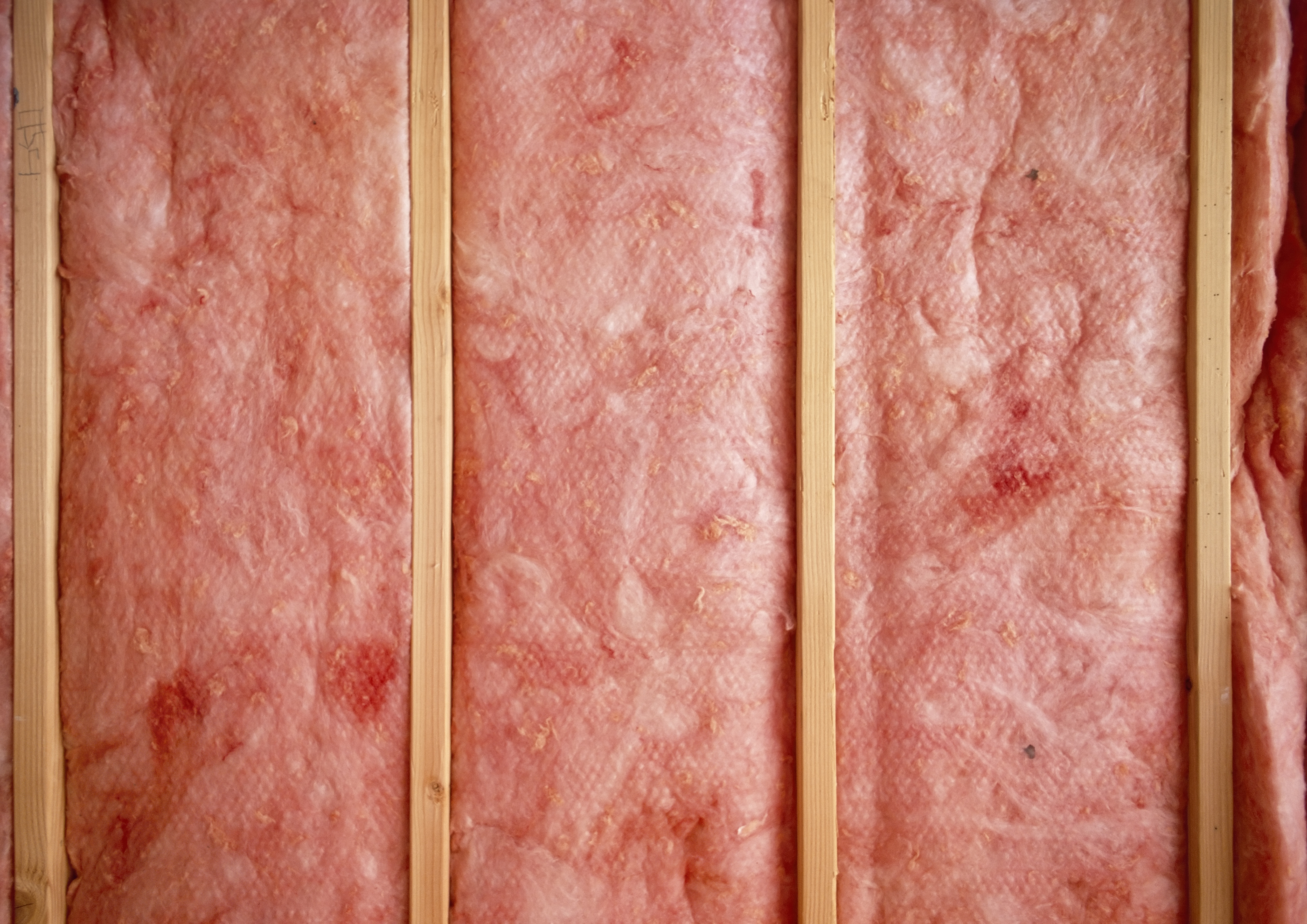
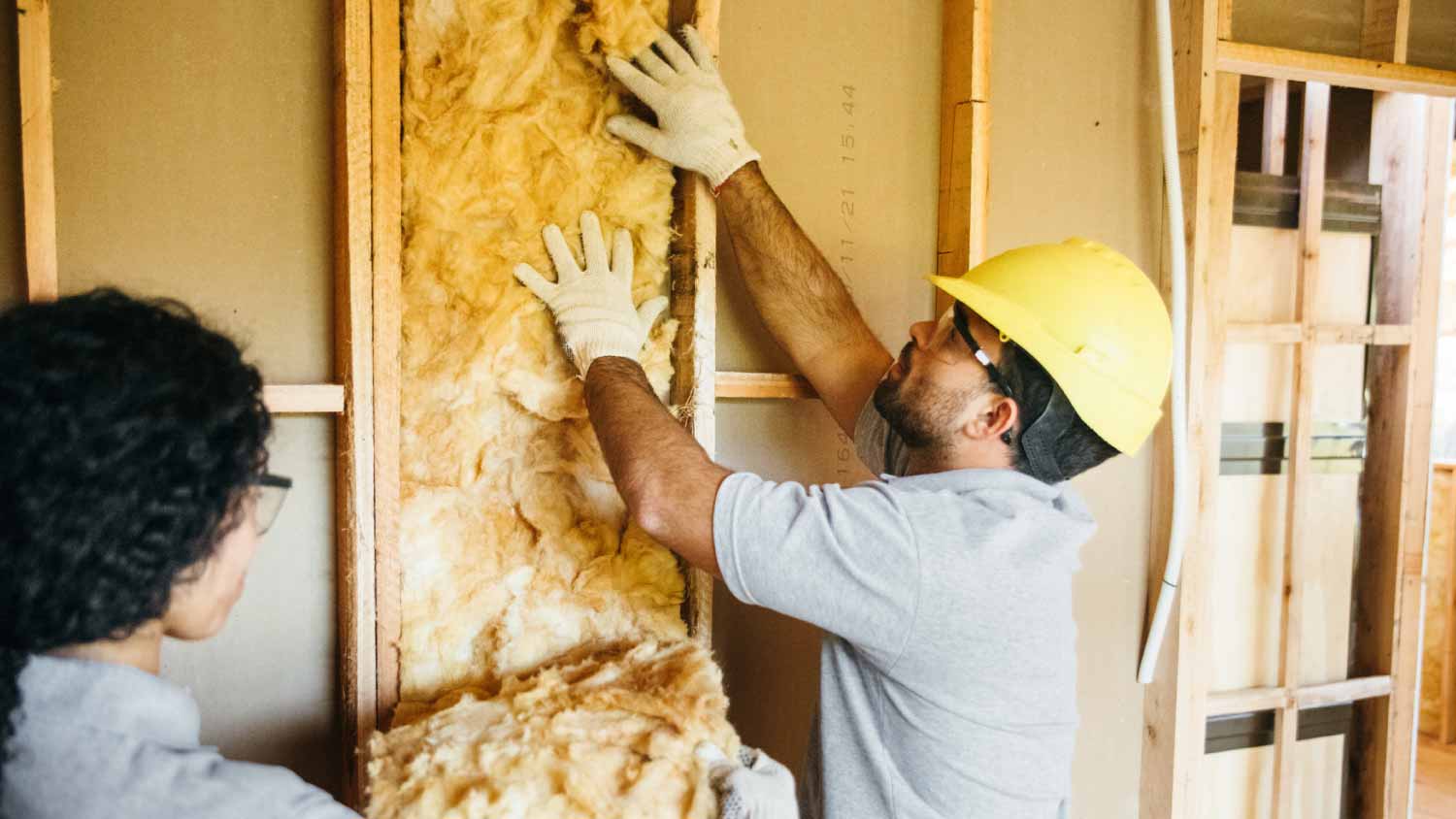
You don’t need to staple insulation, as your drywall and studs will hold it into place. But if you already have a staple gun and staples lying around, it can help keep the product in place and avoid any shifting. But, most experts agree it’s an unnecessary step.
If you’re adding a vapor barrier, you will need to staple that in place.
Whether plaster walls should be insulated depends on whether the walls are at particular risk of moisture problems. In many cases, you can insulate plaster walls, while in others, it's a poor decision because of the lack of a vapor barrier. Choose a reputable insulation contractor to help you decide if and how to proceed to increase your home's energy efficiency.
Natural fiber batts and spray foam insulation both work great for soundproofing. Newer materials, such as hemp batts, are more expensive but more effective for insulation and sound blocking. They are also more sustainable. There is also a professional system called Blow-In Blanket Insulation (BIBS) that is soundproof and moisture-resistant. However, BIBS must be installed professionally and can be a costly investment.
Yes, even though frost-free and freeze-proof faucets are designed to withstand winter weather, it is still recommended to cover them with an insulated cap, especially during periods of extreme cold. These faucets work by keeping excess water inside the home's heated space and using a downward slope to drain, but this protection can be compromised. For the faucet to work correctly, you must always disconnect any attached hoses before temperatures drop below freezing, as a hose can trap water and lead to freezing. Ultimately, covering all outdoor faucets, even freeze-proof models, is the best way to prevent frozen and burst pipes.
The primary reason that insulation saves you money over time is that it reduces your energy bills by making your home more energy efficient. A crucial part of an insulation system is a properly installed vapor barrier. Local building codes dictate whether your insulation requires a vapor barrier based on the type installed. While some high-quality wool insulation may not technically need a vapor barrier, most municipalities still require one to meet code.
The Saint John, KS homeowners’ guide to insulation services
From average costs to expert advice, get all the answers you need to get your job done.
New insulation can make your home more comfortable and boost energy efficiency. Use this insulation cost guide to get an accurate estimate for the installation.
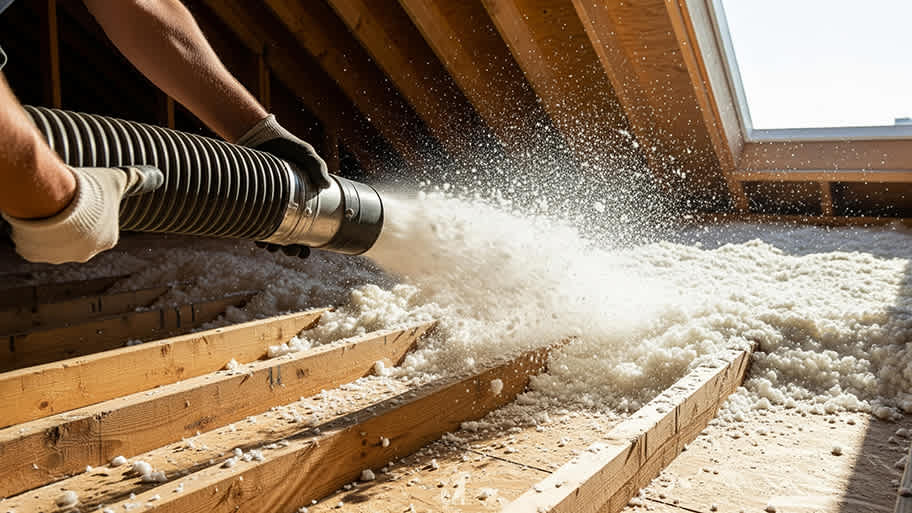
The cost of blown-in insulation costs varies depending on the type of insulation, labor, prep work, and more. Learn more about the cost factors in this guide.
What is insulation? This behind-the-scenes home fixture will maintain comfortable temperatures in your home no matter the season. It’ll lower energy bills, to boot.