






Top-rated deck staining pros.

Get matched with top deck staining pros in Iola, KS

Enter your zip and get matched with up to 5 pros

Need a pro for your deck staining project in Iola, KS?

Select your specific project to find the pro for you.

Find Deck staining pros in Iola

Showing 1-10 of 28
Deck Staining questions, answered by experts

If you don’t treat a cedar fence, it will turn from reddish brown to gray over time. You can keep the cedar from graying and retain its attractive, deep red color by sealing your cedar fence with a stain that keeps the wood’s oils in and serves as a barrier against the sun’s UV rays.

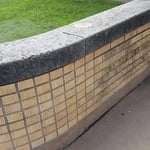
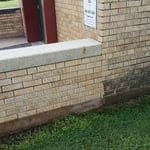
Limewash and whitewash are two techniques used to give brick a light, matte finish, but they differ in composition, application, and permanence. The best choice depends on your aesthetic goals and the specific surface.
Composition

  • Limewash: A natural and environmentally friendly option made from limestone, water, and sometimes pigments. It is breathable and soaks into porous surfaces like brick.

  • Whitewash: Traditionally made from lime, water, chalk, and binders, but a similar look can be achieved with watered-down white paint. It is paint-based and sits on top of the surface.

Appearance and Finish

  • Limewash: Provides a natural, textured appearance that allows the brick's character to show through. It offers a more traditional finish.

  • Whitewash: Creates a softer, more opaque finish, often used for a rustic or shabby-chic style.

Application and Permanence

  • Limewash: Is semi-permanent and can be removed, making it a good choice if you might want to change the look in the future. It requires more skill to apply and cannot be used on previously painted brick.

  • Whitewash: Is a more permanent solution. It is more forgiving to apply and can be used on painted brick. However, because it sits on the surface, it can trap moisture.

Ultimately, if you want a breathable, natural, and reversible finish for unpainted brick, limewash is a great option. If you need a more permanent, opaque coating that can be applied over painted surfaces, whitewash is the better choice. Whitewashing may also be more economical, costing approximately $1.40 to $4.20 per square foot.

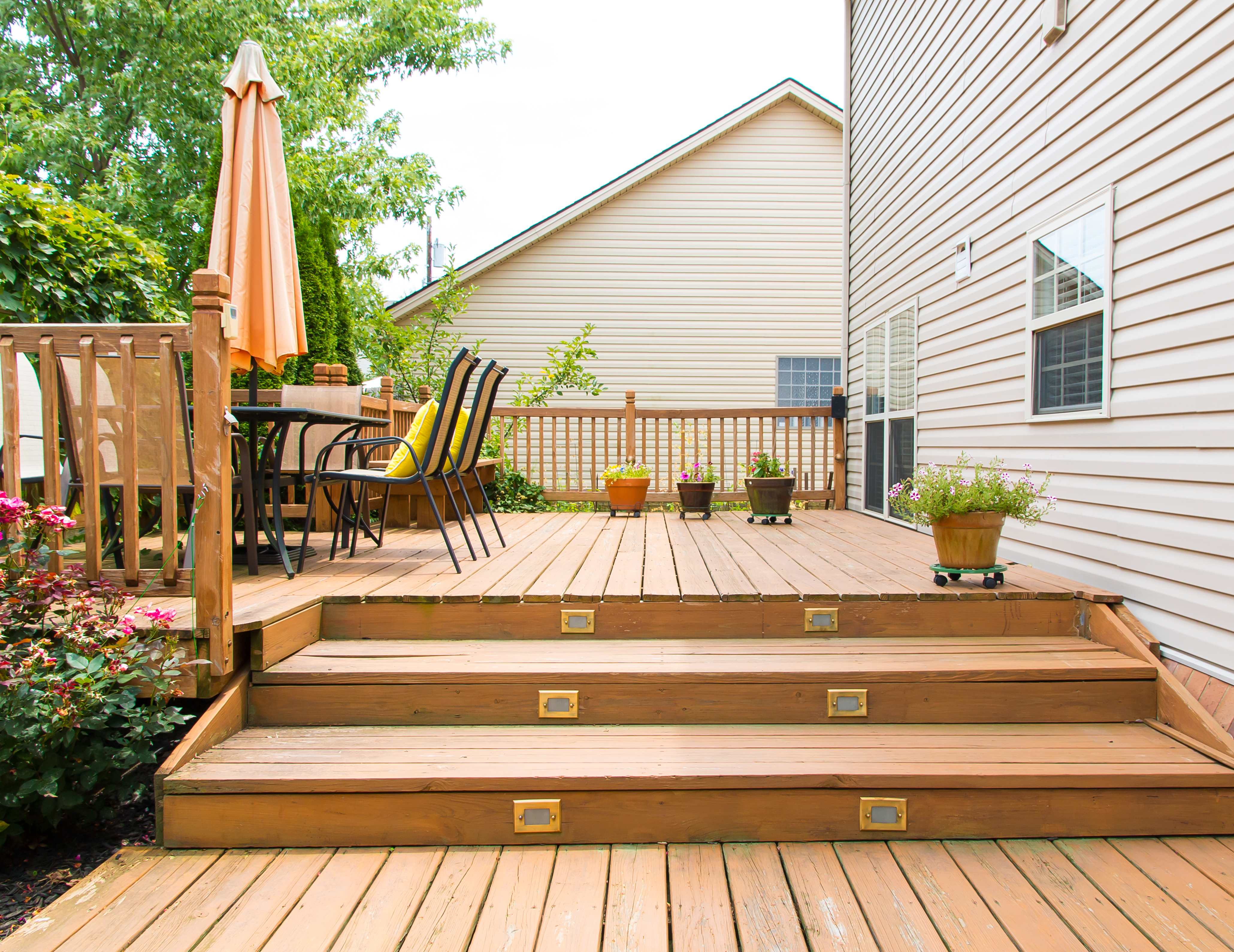
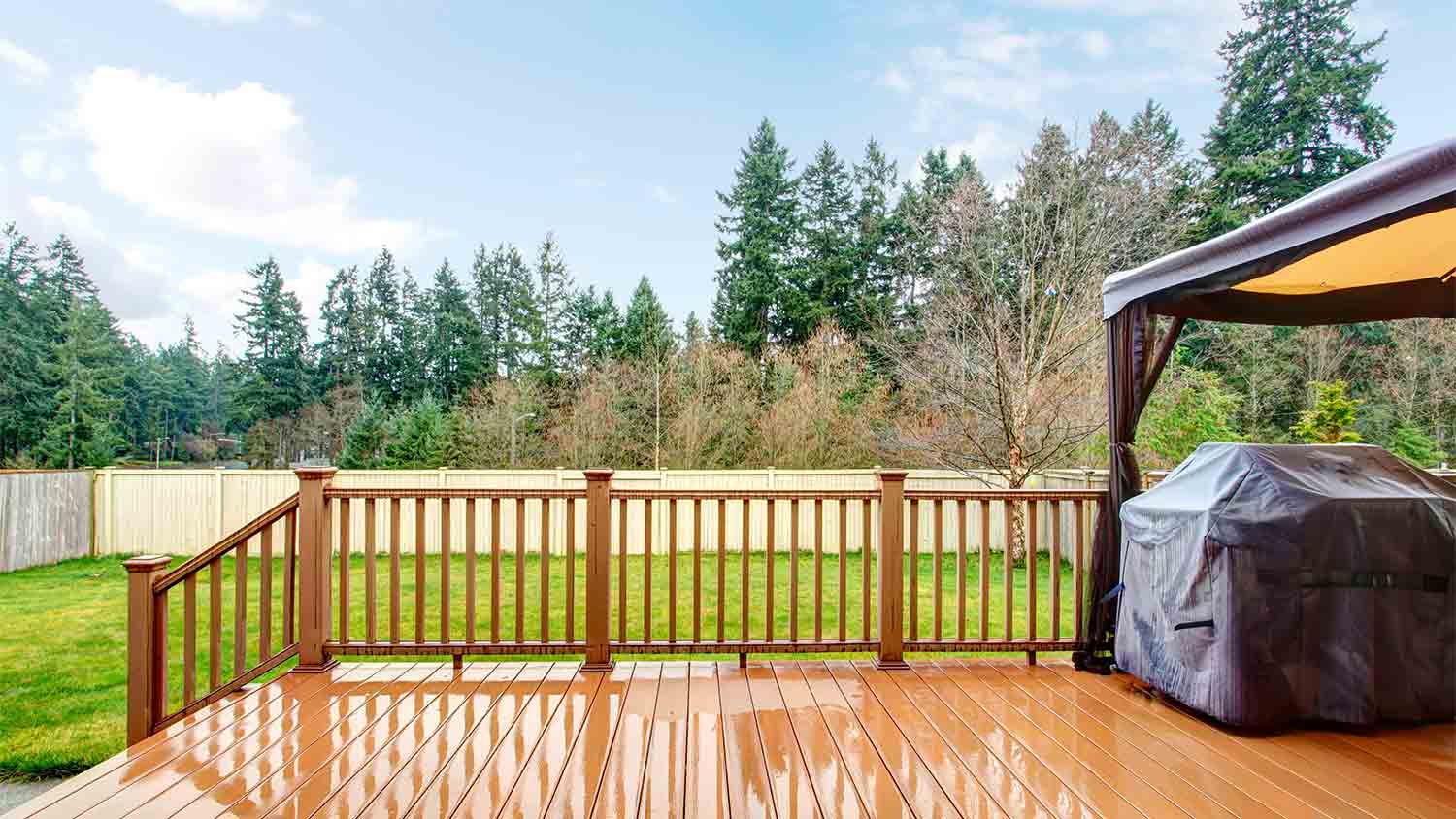
Beyond liquid rubber, homeowners can use sealants, stains, membranes, or tapes as waterproofing options. Oil-based or water-based sealants soak into the wood, creating a moisture-resistant barrier. Waterproofing stains—available in transparent, semi-transparent, and solid colors—add both protection and style to your deck. For heavy-duty waterproofing, deck membranes and waterproof tapes can be applied under the deck boards to direct water away from the structure below. Whatever method you choose, clean and prep the deck first to ensure the best, longest-lasting results.

Exterior paints contain more volatile organic compounds, or VOCs, making them dangerous when used indoors. Without the free ventilation of the great outdoors, it can take longer for the fumes to dissipate than interior paint. While you may notice the smell lessening more quickly, you should be wary of paint fumes inside for 48 to 72 hours after it dries.

Eggshell and satin finishes are best for porches because they sit in the sweet spot between scuffable matte and distracting high gloss. Your porch sees a fair amount of wear and tear, so you don’t want paint that’ll show every mark like matte, but you don’t want to be blinded by glossy paint in the sun either. Eggshell and satin have durability and a look that sits nicely in the middle.

The Iola, KS homeowners’ guide to deck staining services

From average costs to expert advice, get all the answers you need to get your job done.