


Top-rated deck cleaning pros.

Get matched with top deck cleaning pros in Concordia, KS

Enter your zip and get matched with up to 5 pros

Need a pro for your deck cleaning project in Concordia, KS?

Select your specific project to find the pro for you.

Find Deck cleaning pros in Concordia

Randall's Handyman Services
New to Angi
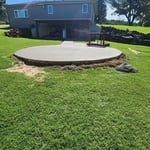
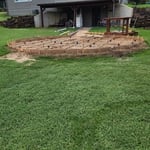
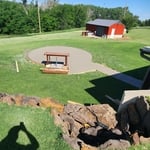
Deck, Fence, Patio or Porch - Clean and SealDeck, Fence, Patio or Porch - Clean and Seal - For Business

Serving Concordia, KS and surrounding areas

In business since 2017

Free estimates

Welcome to Randall's Handyman Services . We are excited to exceed your expectations. As experts, we will handle your needs with the high quality expertise that your home or business deserves. We offer competitive prices and customer satisfaction is our number one priority. Call us now! \n

Deck Cleaning questions, answered by experts

A random orbital sander is best for sanding a deck because it is easier to handle than other power sanders and is less likely to damage the wood. Most decks are made of types of softwood, so a gentler sanding process is essential to prevent permanent blemishes. For example, belt sanders can gouge softwoods.

Whether composite decking is better than wood depends on your priorities, especially regarding budget and maintenance. Composite decking offers superior longevity (30 to 50 years) and durability, and it is low-maintenance, requiring no sanding, staining, or sealing. In contrast, wood decks typically last 10 to 30 years and need refinishing every few years. While the upfront cost of composite is higher than wood, the reduced maintenance can lead to long-term savings. If a lower initial cost is the primary factor, wood is the more affordable choice.

Yes, Ipe wood is a popular high-end choice for pool decking. It repels water and is naturally slip-resistant. It's not susceptible to mold, mildew, or rot, either, so it lasts longer and is cleaner and more hygienic than other popular decking materials. However, remember that due to its status, it is a very high-cost wood, and you might find that an alternative would serve you just as well for significantly less.

Building codes for deck railings can vary by location, so it's important to consult your local regulations before construction. Generally, a guardrail is required for any deck that is more than 30 inches above the ground.

For residential properties, the standard minimum height for a deck railing is 36 inches. However, some states and municipalities have stricter requirements; for example, California and Washington mandate railings that are at least 42 inches high. Therefore, a 42-inch railing is not considered too high and may be required in your area or chosen voluntarily for additional safety.

In addition to height requirements, codes also specify other safety features, such as the maximum spacing between balusters to ensure they are close enough to prevent a child from squeezing through.

The best base materials for a ground-level or floating deck are typically gravel and crushed stone (also known as landscaping rocks). These options are inexpensive, provide excellent drainage, prevent weeds, and help minimize moisture buildup, which reduces shifting and rotting. For added stability and to evenly distribute the weight, you can use concrete deck blocks or pavers. While more expensive, concrete blocks and pavers offer a sturdier base than gravel or crushed stone alone.

The Concordia, KS homeowners’ guide to deck cleaning services

From average costs to expert advice, get all the answers you need to get your job done.