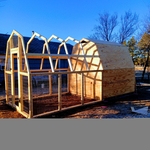
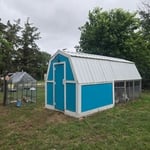
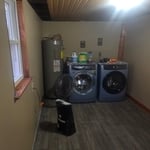
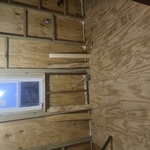
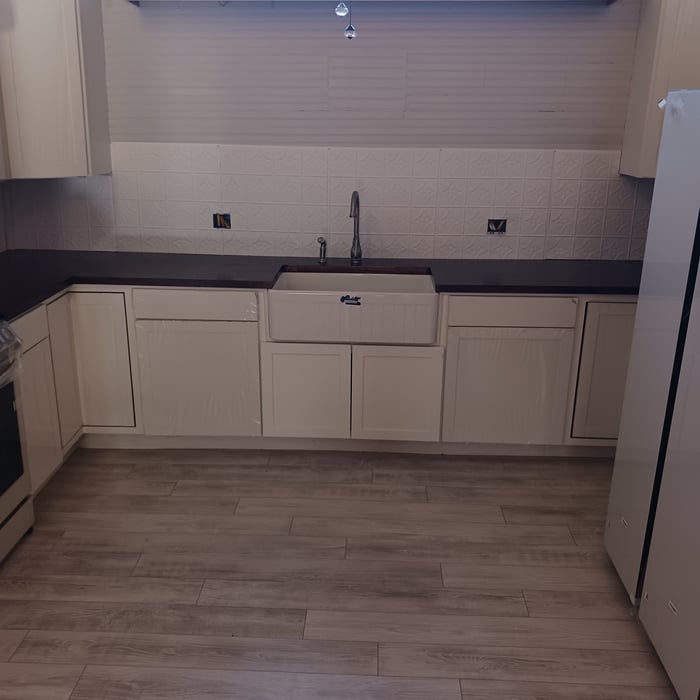
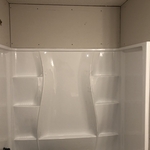
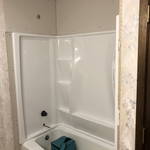
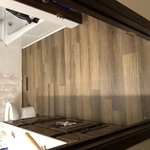
Hi, I’m Matt, a military veteran with 30 years of service and a background in public works. I provide dependable handyman services in the Sterling, Hutchinson, and Wichita areas. My services include plumbing and electrical repairs, painting, woodworking, drywall and door repairs, shelf installation, furniture assembly, mowing, fence repair, and other small home repairs. I take pride in my work and believe in showing up when promised, communicating clearly, and treating your home with care and respect. Whether you need something fixed or a hand tackling your household to-do list, I’m here to help. Contact me for a free estimate—let’s talk about your next project!
Proudly serving our community with dependable, honest, and high-quality workmanship. Whether it’s a quick repair or a major project, we treat your home with the same care and attention to detail as if it were our own.
We are a locally owned and operated company with over 22 years of industry experience. We pride ourselves on the quality of our work as well as our commitment to outstanding results. We look forward to building lasting relationships with our clients and guarantee your satisfaction!
Here at DR Customs we offer quality work at a fair price. We are a local, family owned business and we pride ourselves on customer satisfaction. Whether you need custom cabinets, or small projects fixed around the house, DR Customs is the right choice. Call us today for your free estimate!
"Let's Do This is very reasonable you get bang for your buck with this company.They went above and beyond our contract. They were timely professional and very respectful of my home. I would use them for any future siding or remodeling needs."
Handyman services\nPlumbing\nElectrical\nPainting\nDrywall\nFraming\nDoors\nWindows\nFlooring\nRemodeling\nInstall and remove\nRepairs\nNo job t big or to small I do it all
Fire Pit Installation questions, answered by experts
According to the National Fire Prevention Association (NFPA), the leading cause of house fires is cooking accidents, followed by fires started by heating equipment. Electrical issues are the third most common cause of house fires. The best way to keep your home protected is to use caution when cooking and never leave a stove or oven unattended while in use. You can also keep up with chimney cleaning and avoid using space heaters to reduce the risk.
Yes, mineral spirits are flammable and may spontaneously combust at temperatures of 200 degrees F or more. Storing them in well-ventilated spaces and disposing of them the proper way are the best ways to prevent mineral spirits or anything contaminated with them, like towels and rags, from going up in smoke.
You should only use water to put out a fire in your fireplace in an emergency situation. Even then, it is better to use a fire extinguisher to put out a fire quickly. Make sure every room in your house that has a fireplace also has a fire extinguisher—and that everyone in your household knows how to use one.
One of the best ways to know your chimney is good to go on any given night is to simply look up into your flue with a flashlight. If you see a thick buildup of creosote—a shiny, dark substance that looks like tar—it’s best to have your fireplace professionally cleaned before you go ahead with the burn. Additionally, having your fireplace professionally inspected once per year can also help increase your peace of mind and keep your family and your home safe.
An outlet can start a fire if it has blown a fuse, or is sparking, overheating, or smells burnt. Prevent electrical fires by unplugging the device connected to the outlet and hiring an electrician to determine and fix the outlet’s issue. If the outlet stays hot or isn't working, you should fix it.
The Coldwater, KS homeowners’ guide to fire pit installation services
From average costs to expert advice, get all the answers you need to get your job done.
A fire pit installation costs $850 on average but can vary by size, fuel type, materials, and more. See how much you need to budget for a new fire pit.
Discover fire door cost data, including installation, materials, and tips to save. Learn what impacts fire door pricing and how to budget for your project.
Discover home fire sprinkler system costs, including installation, maintenance, and key cost factors. Learn how to budget and save on your home fire protection.
A fire pit adds attractive entertainment space to your backyard. Learn about standard fire pit dimensions and what factors contribute to fire pit size.