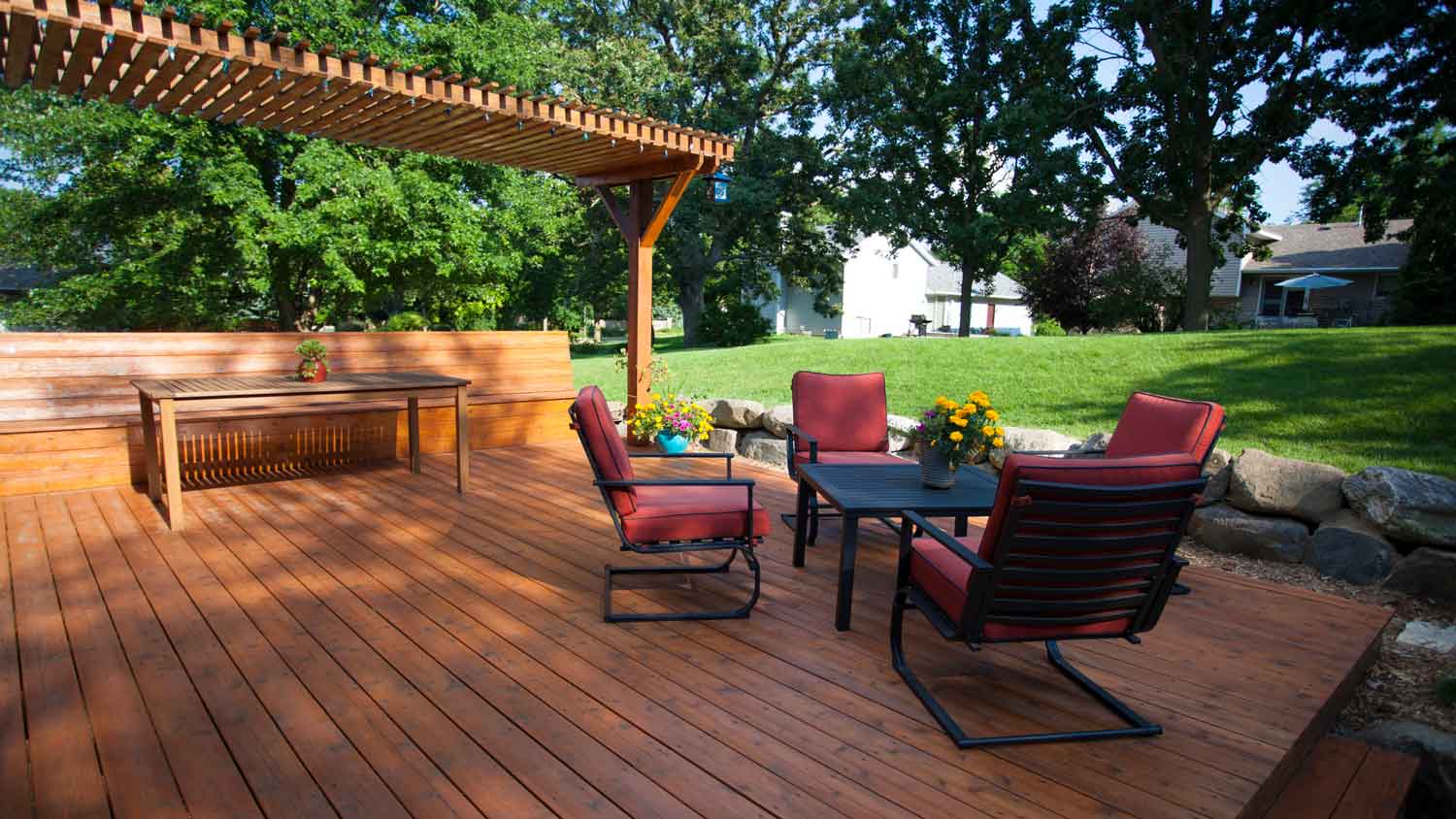
Yard waste should be professionally removed at least once per season, particularly during major landscaping projects, fall leaf accumulation, or after severe weather. Regular removal promotes lawn health and maintains a neat exterior.
The most common alternative is burning the stump first, then dealing with the cinders and ashes. As you can imagine, this option creates fire hazards, especially since roots can burn underground, hidden, for long afterward. That’s why many states and cities have outlawed the use of stump burning entirely. We do not recommend this option as a viable alternative unless you get a permit from the local fire department and practice all safe burning procedures.
Others prefer a more long-term DIY approach of degrading the stump with home mixtures like Epsom salt and vinegar injected directly into it. This may help the stump decay faster, allowing homeowners to dig it out themselves, but it’s still a lengthy process. It usually takes months for a stump to start falling apart with such treatments, and in the meantime, it can be vulnerable to rot, insects, and other problems.
There are several ways to decompose yard waste quickly. The first step is to move all debris into a compost bin or pile. From there, microorganisms, bacteria, and insects will break down the yard waste into compost. To speed things up, shred the waste into smaller pieces, add live worms to the pile, or introduce nitrogen-rich compost accelerators like grass clippings, coffee grounds, and manure. Turn the compost over every few days. This process, called aerating, allows oxygen to get in and accelerate decomposition.
Yes, you can put tree branches in a dumpster. In most places, tree branches, brush, logs, and other wood are considered yard waste, which is allowed in most dumpsters. Check with your local municipal authority to determine whether there are any rules about yard waste disposal and how much yard waste you can place in a single dumpster.
The legality of blowing leaves into the street depends on your city or county laws. Many cities have codes that restrict blowing leaves into the street because it can obstruct the view of nearby drivers and make cars dirty, not to mention angering neighbors. Violations can result in a fine or other problems. You can check the codes on your municipal government website to learn more local guidelines, but avoid spraying leaves into streets for now.
The Cedar Vale, KS homeowners’ guide to brush chipping services
From average costs to expert advice, get all the answers you need to get your job done.
The cost of a tar and chip driveway falls between gravel and asphalt. Is this unique process the happy medium you've been looking for? Let's take a look.
If your painted deck is less than appealing, it's time for a refresh. DIY your paint removal from your deck to enjoy your outdoor space for many seasons.
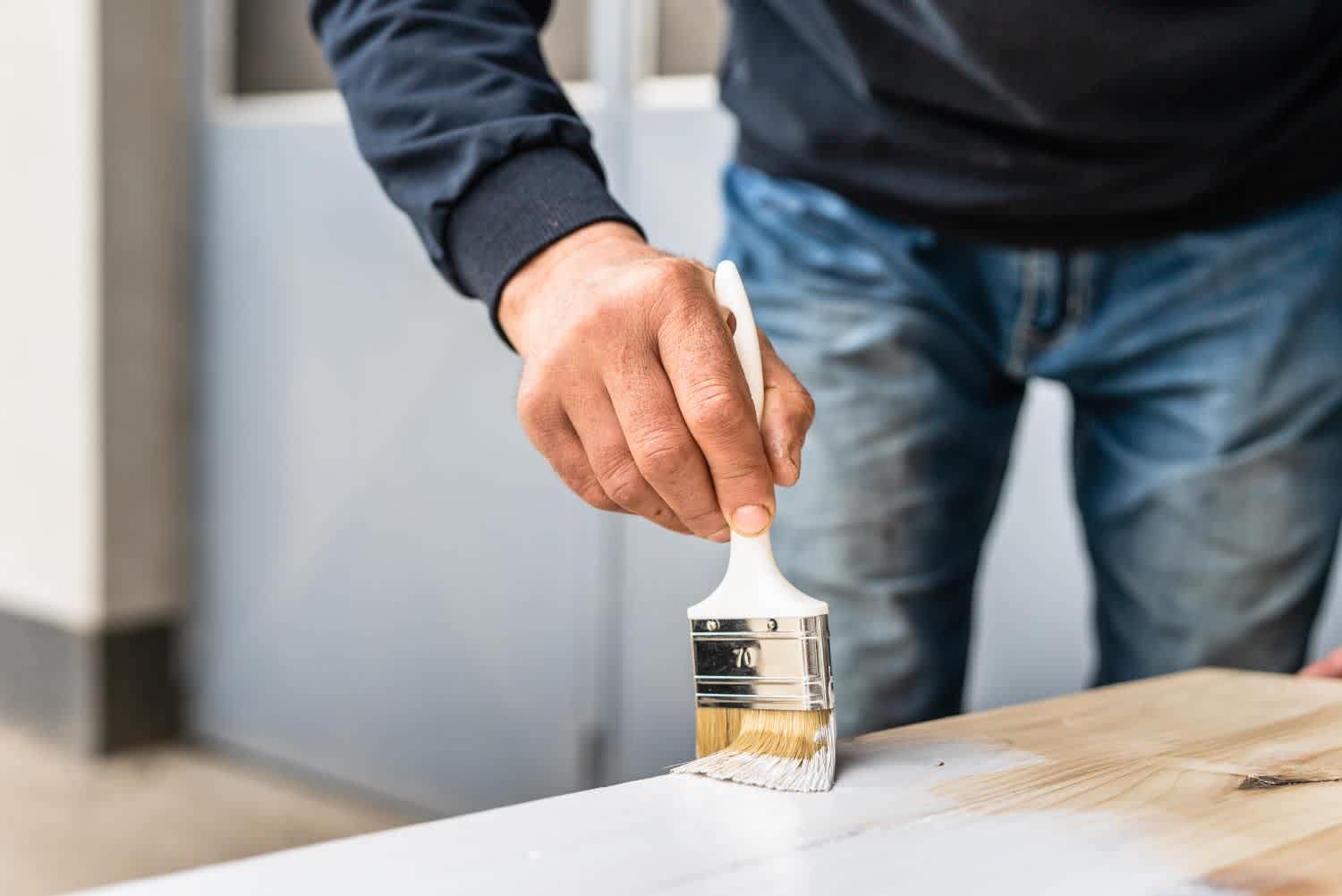
Cleaning the latex paint from your brushes is the easiest part of the entire painting process when you have the right tools and techniques. Find out how to clean your brushes like a professional painter with these three simple tips.