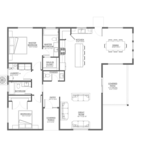
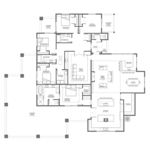
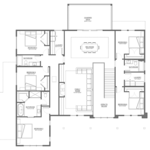
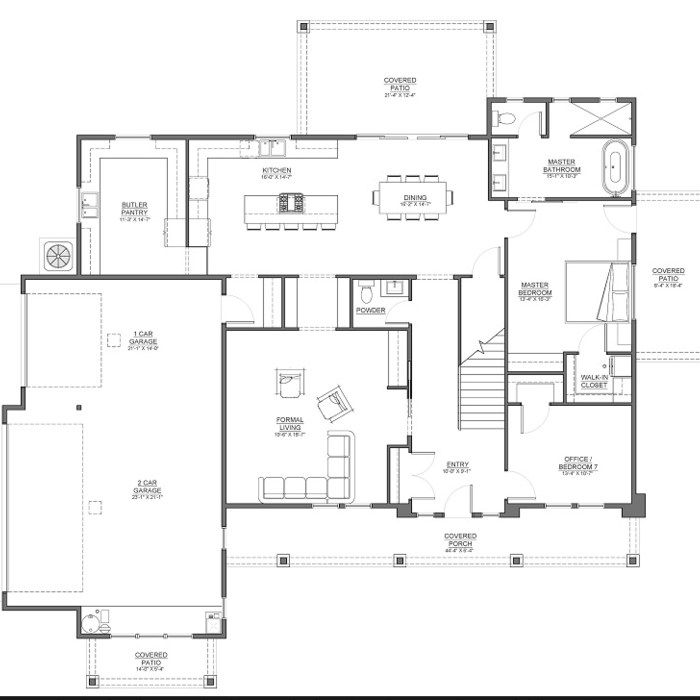
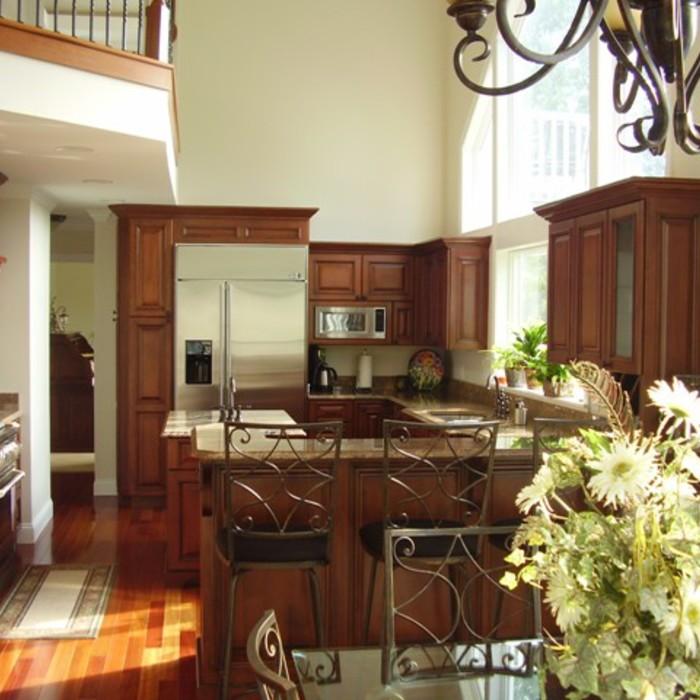
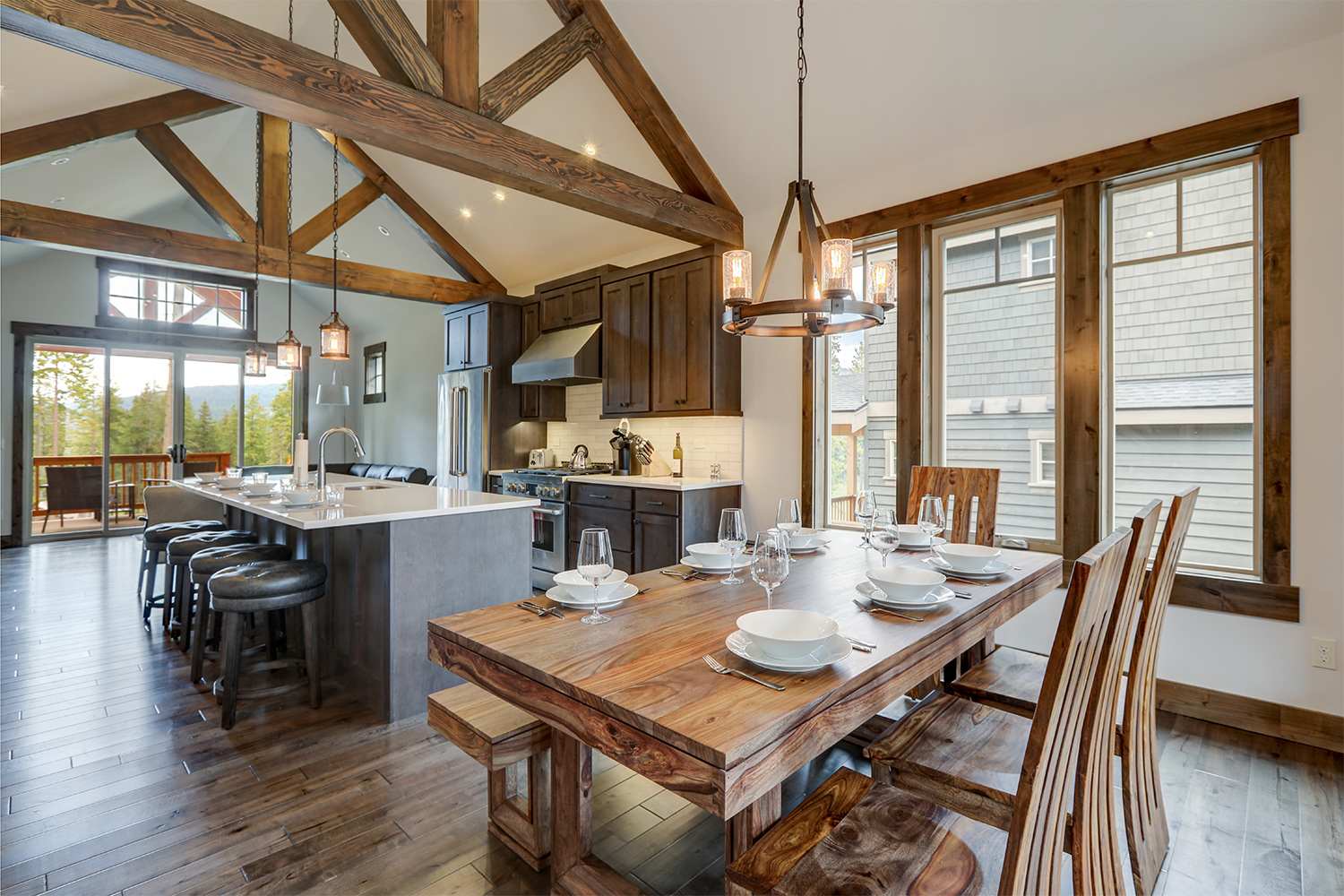
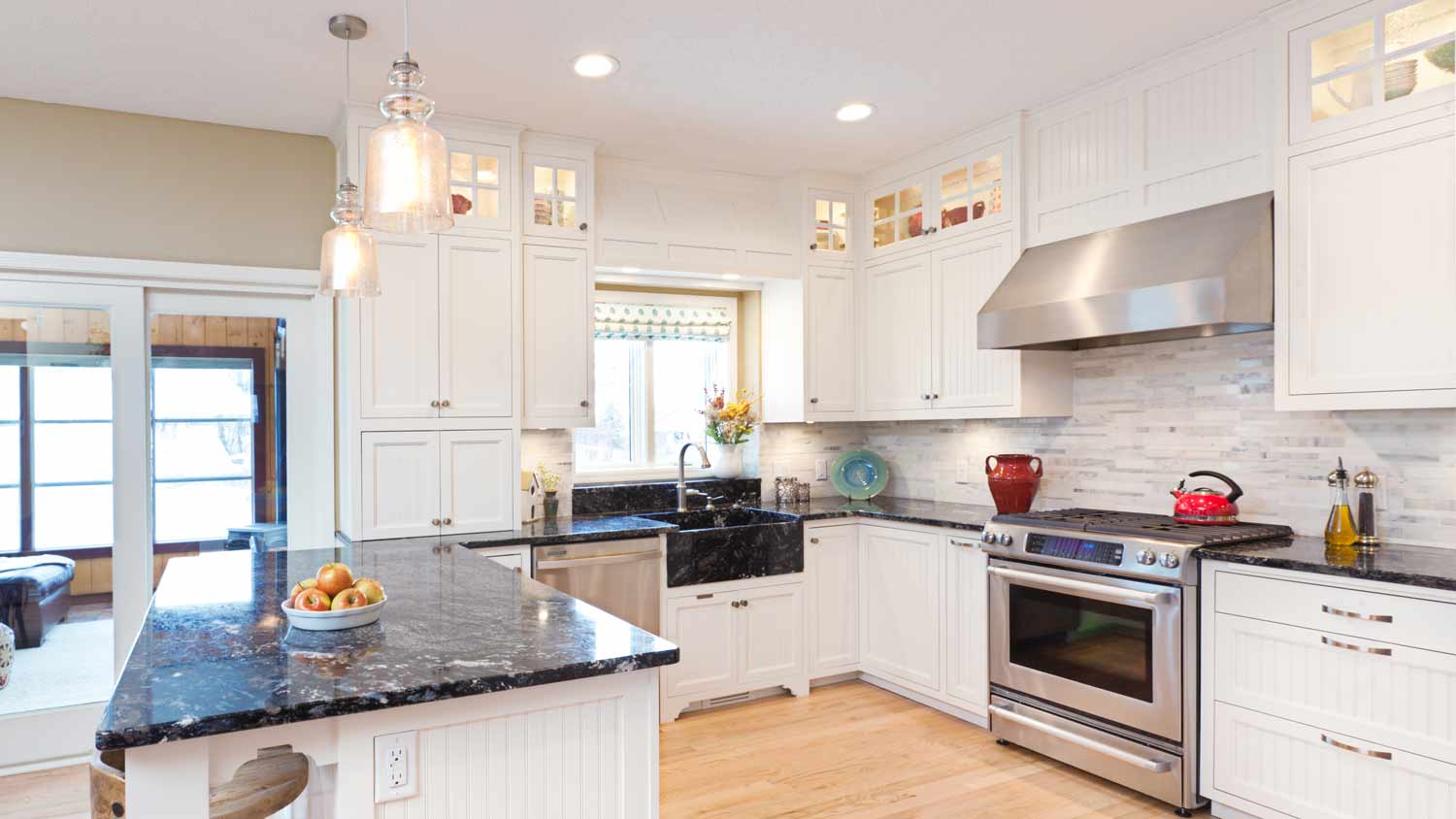
"I am having a full master bath and kitchen remodel done with new layouts in both rooms and knocking out a wall. Evolution worked with me to quickly get a drawing done of the new layouts so that the contractor could get started on the project. They made sure to include me in the process so that the design would be done exactly as my wife and I envisioned. They communicated effectively throughout the process and were always courteous and professional. I recommend them to anyone with drafting needs."
We have a single mission: Complete Customer Satisfaction! We have consistently focused on the needs of our customers, providing personalized attention and a stress-free experience.
\nYou will find us to be competitively priced with close attention to the details.
\nOur reputation is based on service, safety, and quality, regardless of how large or small the job.
\nWe look forward to building a lasting relationship and guarantee your satisfaction!
\n
Terraform Development & Design LLC, delivers expert permit-ready architectural plans and drafting services nationwide. With 8+ years of experience and hundreds of clients across all 50 states, we create code-compliant residential and commercial construction documents that get approved fast and built right.
\nFrom site plans, floor plans, elevations, structural & foundation drawings to MEP coordination, full construction sets, 3D renderings, interior design, solar PV layouts, and precise material takeoffs - we handle it all. Fast 4-6 week turnaround, 3 design revisions included, free revisions for city redline changes, transparent pricing (starts at $2,000), and direct partnerships with licensed engineers for stamps in every state.
"I found working with Micheal at H2K Services money well spent. I didn't want to rush in to a high dollar project without knowing what I was really facing where my foundation was concerned. I admit I was fairly stressed when I decided I needed a structural engineer. I was very happy to have a walk-through and discussion of my property. I got an excellent overview of the structure and function of my foundation (very concise). Once completed, I received a written review and explanation in a very timely manner. I rate H2K Services as high as is possible."
"Very knowledgeable. Worked up a new addition to my home and did it in a timely fashion. Great pricing also and also friendly. Listens to your concerns and comments."
"I was really under the gun due to a prior Architectural firm not performing their duties per building plan codes. Not only were the plans incomplete but the City Plan Reviewer states(The Worst plans he’s ever seen) they will not make adjustments unless there is an additional charge for Thousands.
Evaluation’s saved my clients and drew our project per code, along with Engineering in less time then they quoted. I highly recommended them, Especially Kirsten. You went above and beyond trying to coordinate this project. The staff was very professional and I will use them on all my projects.
Sincerely,
Frank B
BCM Builders"
At TR Home Design, we can take care of all of your design needs. Our expertise extends to every room in your home and we will customize the plans to fit your needs. Call today for a free estimate and let us show you how to make your building dreams come true!
Structural Engineering questions, answered by experts
It is not recommended to cut or drill into LVL (laminated veneer lumber) beams. As major structural components of a home, their composite structure can be compromised by alterations, which can weaken them and lead to cracking over time. If you must make modifications to an LVL beam, it is crucial to consult a structural engineer or general contractor first. A professional can advise on whether it's safe and provide specifics on the appropriate bit size, depth, and directionality for any necessary drilling.
A construction manager is particularly useful in the case of a large-scale build with custom design elements, so it’s usually worth it to hire one. They can help manage your budget, maintain quality control, oversee timelines, and navigate unexpected hurdles. While construction managers are pricey, they can actually save money in the long run by identifying cost-saving opportunities and ensuring the project stays within budget.
Costs depend on desk size, labor, included features like drawers or motorized height adjustments, and required wall anchoring.
It's safe to assume that all exterior walls are load-bearing, or at least have load-bearing characteristics. Some older homes feature porches or bump-outs that don't rest on the home's foundation. However, they still must carry the weight of the roof section they support. Walls containing floor-to-ceiling glass or other non-structural elements must use post and beam configurations to meet load-bearing criteria.
A structural engineer evaluates any structural components, like floors, foundations, walls, and roofs, to ensure they can support the structure. They also consider the soil quality in your area, potentially extreme weather conditions, and proximity to bodies of water and groundwater to ensure your building can withstand any stresses placed on it by the surrounding environment. Structural engineers work on both new and existing buildings.
The Bennington, KS homeowners’ guide to structural engineering services
From average costs to expert advice, get all the answers you need to get your job done.
The cost of a structural engineer is easily justifiable given the value they bring to the table. Use this guide to see what hiring your professional will total.
Spotting deep foundation cracks or sagging floors? Learn about structural engineering costs, serious warning signs, and how to hire the right local pro.
It can be hard to choose the right pro for any job, but it matters. Learn how to hire a structural engineer who'll get the job done right from start to finish.