"I had Tom install a gas cook stove for me. He was prompt and friendly. His price was very reasonable, in fact I paid him a little more than he asked for. It was during the Christmas season, so my wife and I just considered it a Christmas gift."
Hey everyone, I’m Marcelo, the owner of Amigos Heating & Cooling.\nI started Amigos with one simple goal: to provide honest, reliable, and affordable heating and cooling service while treating every customer like a friend.\nWhether you need a repair, maintenance, or a brand-new system, I take pride in doing the job right and making sure you’re comfortable in your home.\nYour comfort. Your home. Your Amigos.\nWhen you need HVAC service, call your Amigos for a super service!
We pride our company on reliability, great communication, integrity, and quality work. We are experts in our trade and will do our best to keep you as educated as we can on your particular task or project. We look forward to earning your business! Book with us online or feel free to give us a call today!
Central Vacuum Systems questions, answered by experts
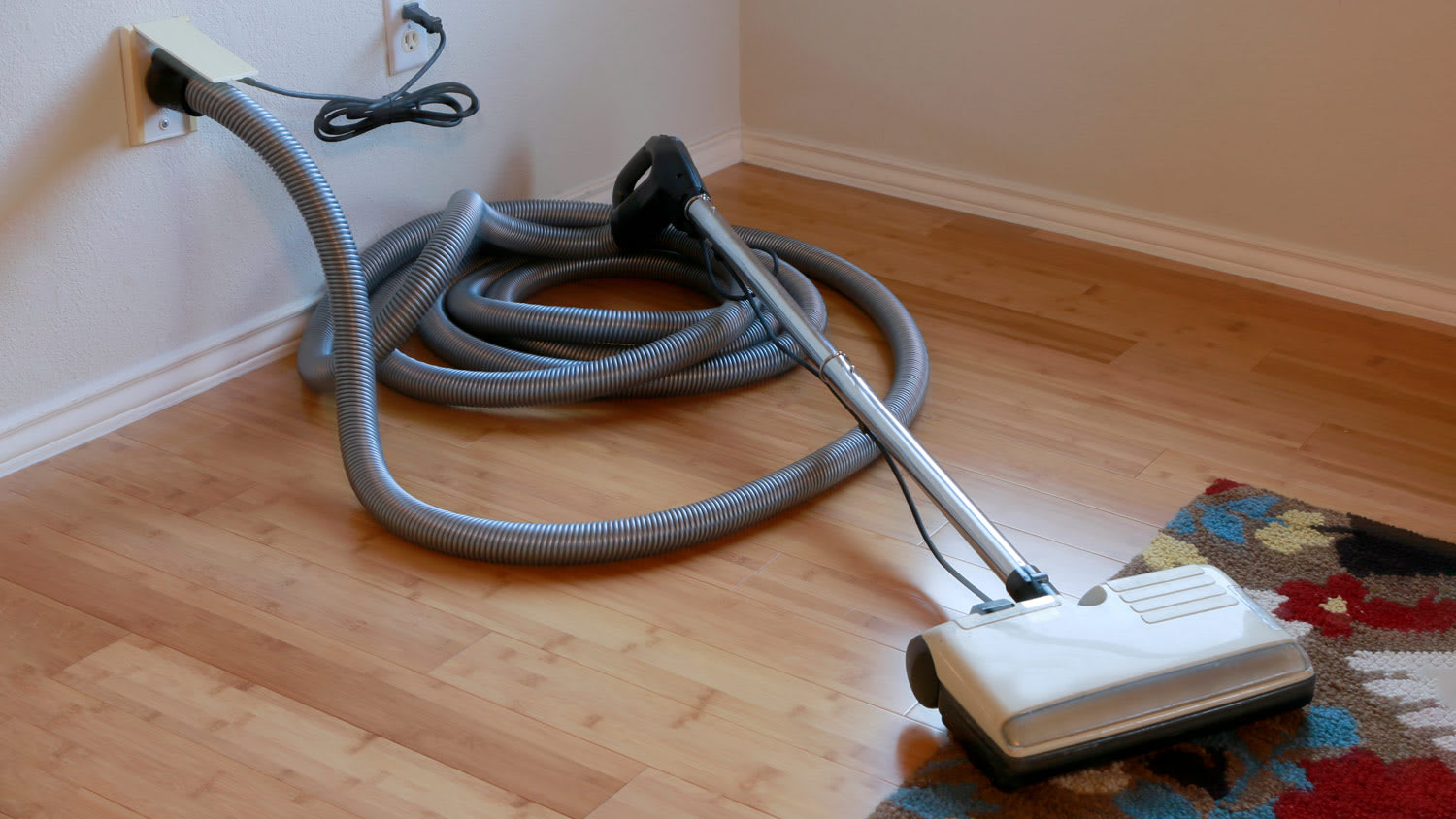
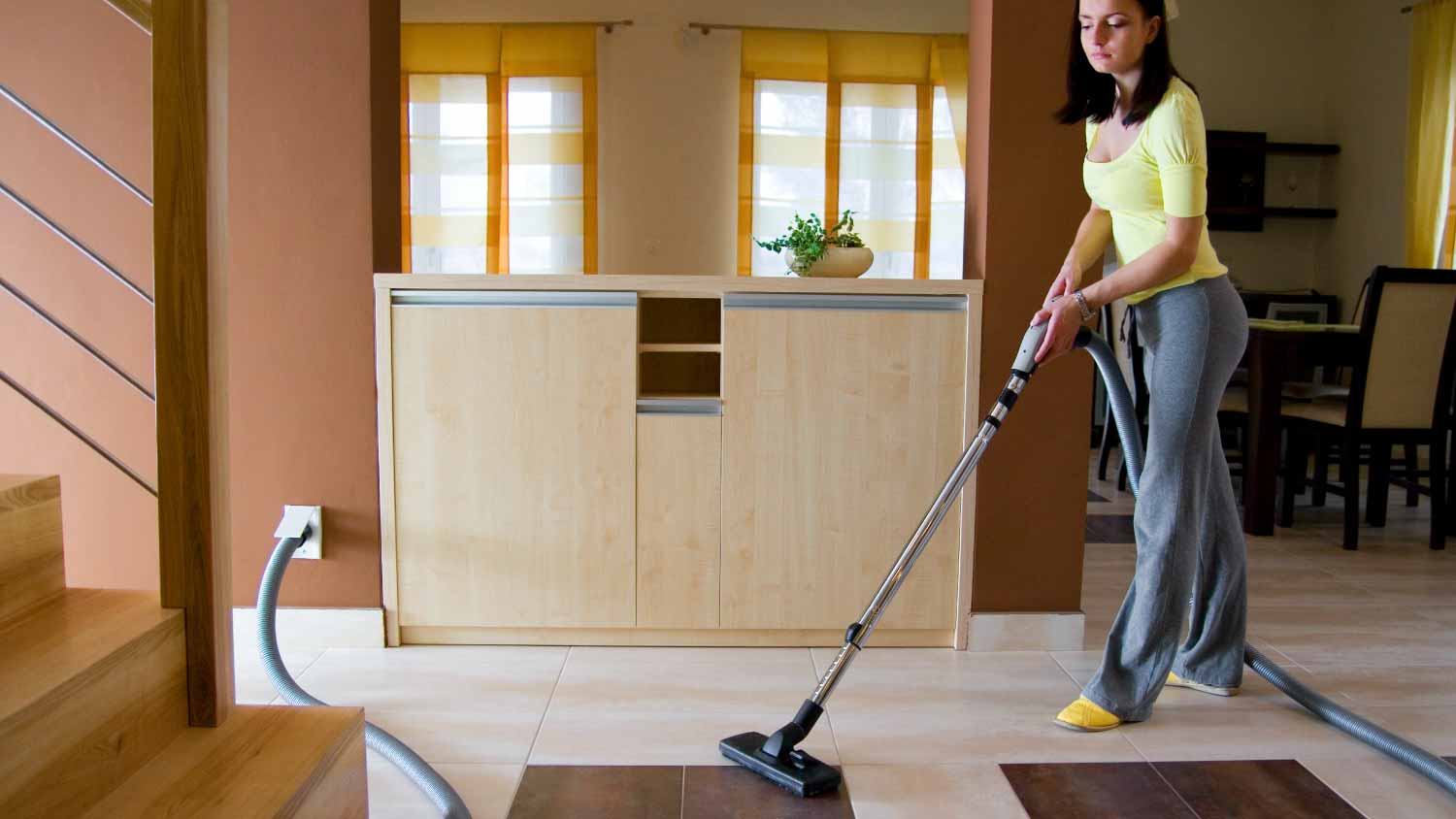
No. Only the hose or the attachments are portable in a central vacuum system. A portable vacuum is a standalone model like a stick, canister, or upright. A central vacuum system is defined by a central power unit, which is installed in one place like an AC unit, and the connected network of piping to funnel the suction.
Yes, installing a central vacuum system typically adds value to your home. The ease of use, longevity, and superior suction power of a central vacuum system can add up to $2,000 to your home’s value if you decide to sell. Potential buyers may consider the central vacuum a perk to purchasing your home.
They’ll use more electricity than the average upright vacuum, but not remarkably more. Most power units plug into a standard 120-volt outlet and don’t have significant power demands. You shouldn’t notice an increase in electricity bills. If you have any specific questions about energy costs, ask your installer as you examine purchase decisions. Larger power units will need more electricity for their suction levels.
Maintaining your central vacuum cleaner is crucial to extending its lifespan. Ensuring the filter is cleaned or changed often is vital to ensuring clogs don’t impact your motor. In addition, inspecting motor brushes regularly and lubricating the engine when needed helps keep it in tip-top shape. Finally, cleaning the central vacuum hose of dirt and debris helps keep clogs at bay, especially if you’ve vacuumed something wet or sticky.
The best way to clean central vacuum pipes is to use a maintenance sheet to dislodge clogs and wipe the inside of the pipes clean. Alternatively, a professional can clean your central vacuum pipes for you.
The Windfall, IN homeowners’ guide to central vacuum system services
From average costs to expert advice, get all the answers you need to get your job done.
Get transparent information on central vacuum repair costs. Learn what impacts price, compare repair types, and see how to save on your central vacuum repair.
What is a central vacuum system? It can enhance your cleaning efficiency with ease—but is it right for your home? Learn pros, cons, installation costs, and more to make your decision.
A central vacuum system is a strong, durable, and effective alternative to traditional vacuums. Use this guide to determine whether or not a central vacuum is right for your home.