



Top-rated fountain pros.

Get matched with top fountain pros in Matthews, IN

Enter your zip and get matched with up to 5 pros

Need a pro for your fountain service project in Matthews, IN?

Select your specific project to find the pro for you.

Find Fountain pros in Matthews

JL Dixon Outdoor Living
1.0(
1
)
Water Feature - Install a Fountain or Waterfall

Serving Matthews, IN and surrounding areas

In business since 1948

Free estimates

Credit card accepted

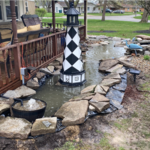
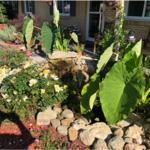
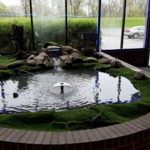
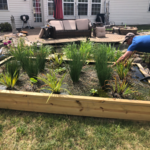
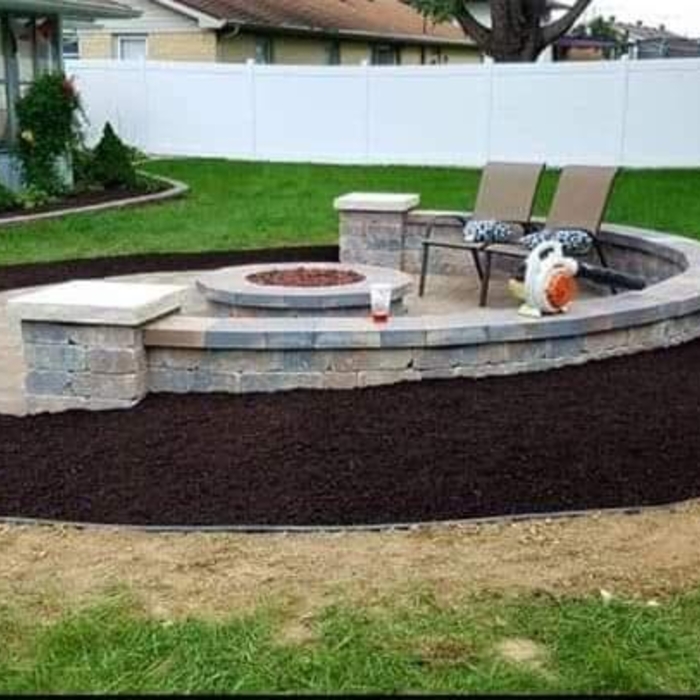
Make your outdoor living dream come true. We build outdoor kitchens, seating, and fireplaces. Turn your backyard into the dream cook out area.\n\nWe always make sure the work is done perfectly and the way our customers would like. We want to create what you want! We always consult the costumer before a decision is made.

Fountains questions, answered by experts

Yes, it is possible to make a fountain without a pump, though it may seem less intuitive and will require a bit more effort to use. In lieu of an electric pump, there are a few options including hand-cranked pumps or sprinkler systems that can work to provide water for a fountain.

A good rule of thumb is to change 5% to 15% of your koi pon’s water every week. Partial water changes help keep your koi healthy, and replacing small amounts at a time prevents causing stress for the fish.

Yes, your fish should stay alive in a frozen pond if you winterize it properly. By ensuring your pond has enough oxygen, good water quality, and a hole to release harmful gases, your pond and fish have the best chance of staying alive and healthy. However, if you have tropical fish, they should be overwintered indoors.

In addition to length and width, pond liners also come in various thickness levels. Thickness is measured in mils, a unit of measurement equal to one-thousandth of an inch, with most pond liners ranging from 15 to 60 mils in thickness. The smaller the number, the thinner (and weaker) the liner. To prevent rips and tears, it’s best to choose a pond liner that’s at least 30 mils thick.

Seeps and springs form when groundwater reaches the earth’s surface. The main differences between them are the amount of water and the flow rate. Seeps are smaller than springs and consist of water that’s stagnant or flows slowly. Springs contain more water and flow more quickly.

The Matthews, IN homeowners’ guide to fountain services

From average costs to expert advice, get all the answers you need to get your job done.