"Ken was very knowledgeable, professional and did a wonderful job assembling and installing kitchen cabinets. He and his son are a great team. I am recommending him to my neighbor and will definitely use them again for future projects."
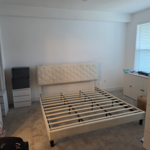
"Ryan was so polite! He did everything I asked and more! Absolutely will be hiring him when something else comes about. He hung countless drapes, hung a TV, pictures and mirror, put together a bed frame, and did everything meticulously! He even took away an old headboard that I have been meaning to take to the dump. My cat was in his way he and he welcomed her!"
"Juan did a fantastic job helping me yesterday. I had just moved into town Monday. I really needed someone to handle without a lot of oversight. He brought his own tools and did a great job. He cleaned up at the end. I will definitely used him again."
I have worked in IT for more than 29 years and have lots of experience with technology repairs, installations and training for customers. As a DIY enthusiast, I also have many years of experience repairing and installing things around the house. I'm happy to offer my experience to service your needs.
Hi, my name is Greg and I take great pride in my quality work. I service the Indianapolis area for all needs inside and out. Looking forward to helping you.
Costs depend on system type, building size, labor, and regulatory compliance requirements.
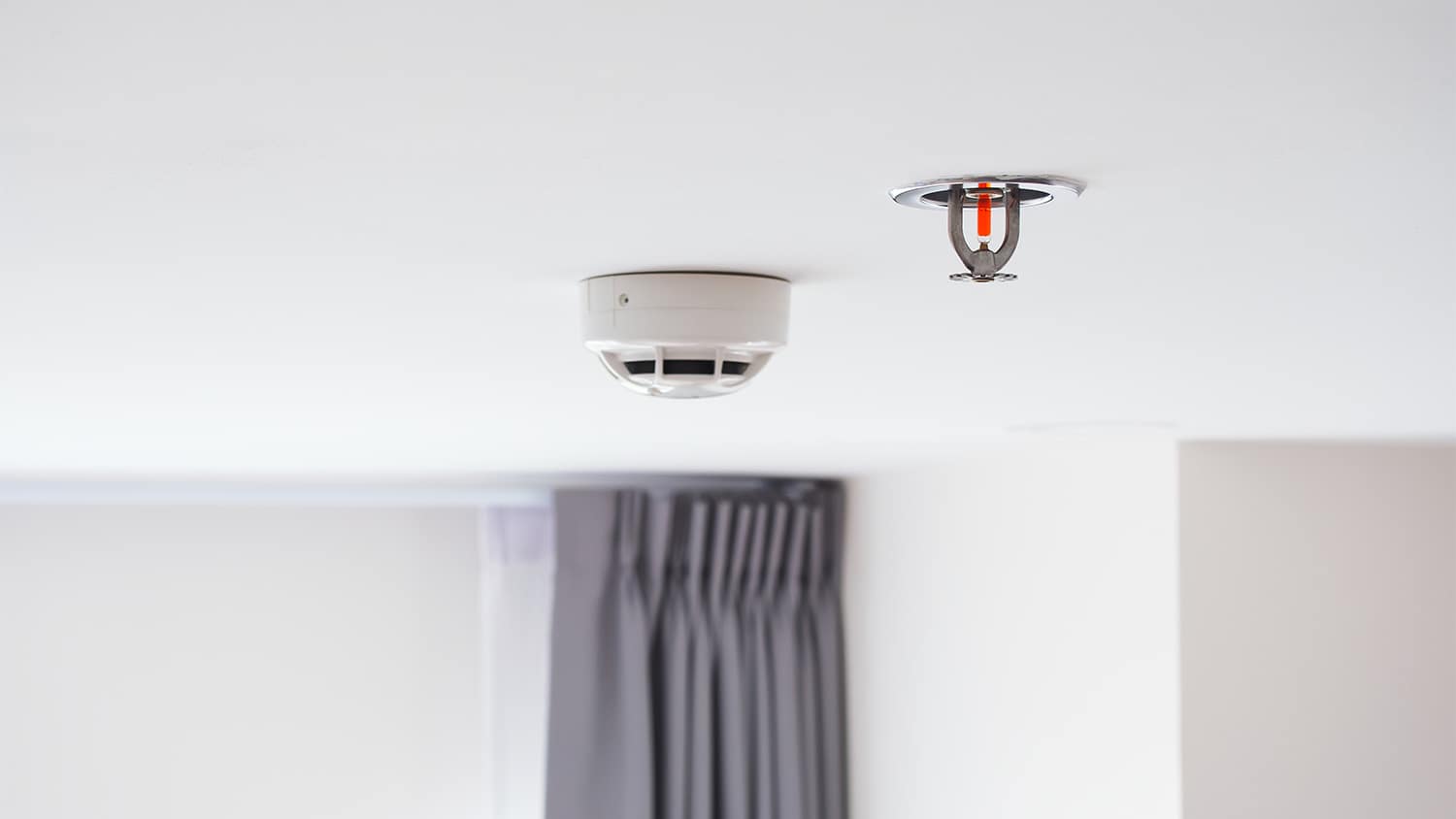
A smoke alarm that beeps periodically, often every 30 to 60 seconds, usually indicates a low battery. The first step is to replace the battery. If this doesn't solve the problem, try resetting the alarm. However, beeping can also signal other issues, such as dust buildup in the sensors or the unit reaching the end of its life. Different beep patterns can mean different things; for example, multiple beeps might indicate an issue with a combination carbon monoxide detector, while a continuous, loud alarm means smoke has been detected. If a new battery doesn't stop the beeping, it's best to consult your alarm's manual, call a professional, or replace the unit.
Generally, an oil furnace is considered safer than a gas furnace for several reasons. While both types of furnaces can produce carbon monoxide, a leak in an oil furnace is easier to detect due to the smell. Oil furnaces also don't connect to a gas pipeline, which reduces the chance of a fuel leak. Most importantly, heating oil is not combustible, whereas natural gas is highly flammable. This means there is a much lower risk of combustion or explosion with an oil furnace. However, an oil furnace can still pose a fire hazard if it tips over.
Most installations take 1-3 days, depending on system complexity and building size.
According to the National Fire Prevention Association (NFPA), the leading cause of house fires is cooking accidents, followed by fires started by heating equipment. Electrical issues are the third most common cause of house fires. The best way to keep your home protected is to use caution when cooking and never leave a stove or oven unattended while in use. You can also keep up with chimney cleaning and avoid using space heaters to reduce the risk.
The Kokomo, IN homeowners’ guide to fire pit installation services
From average costs to expert advice, get all the answers you need to get your job done.
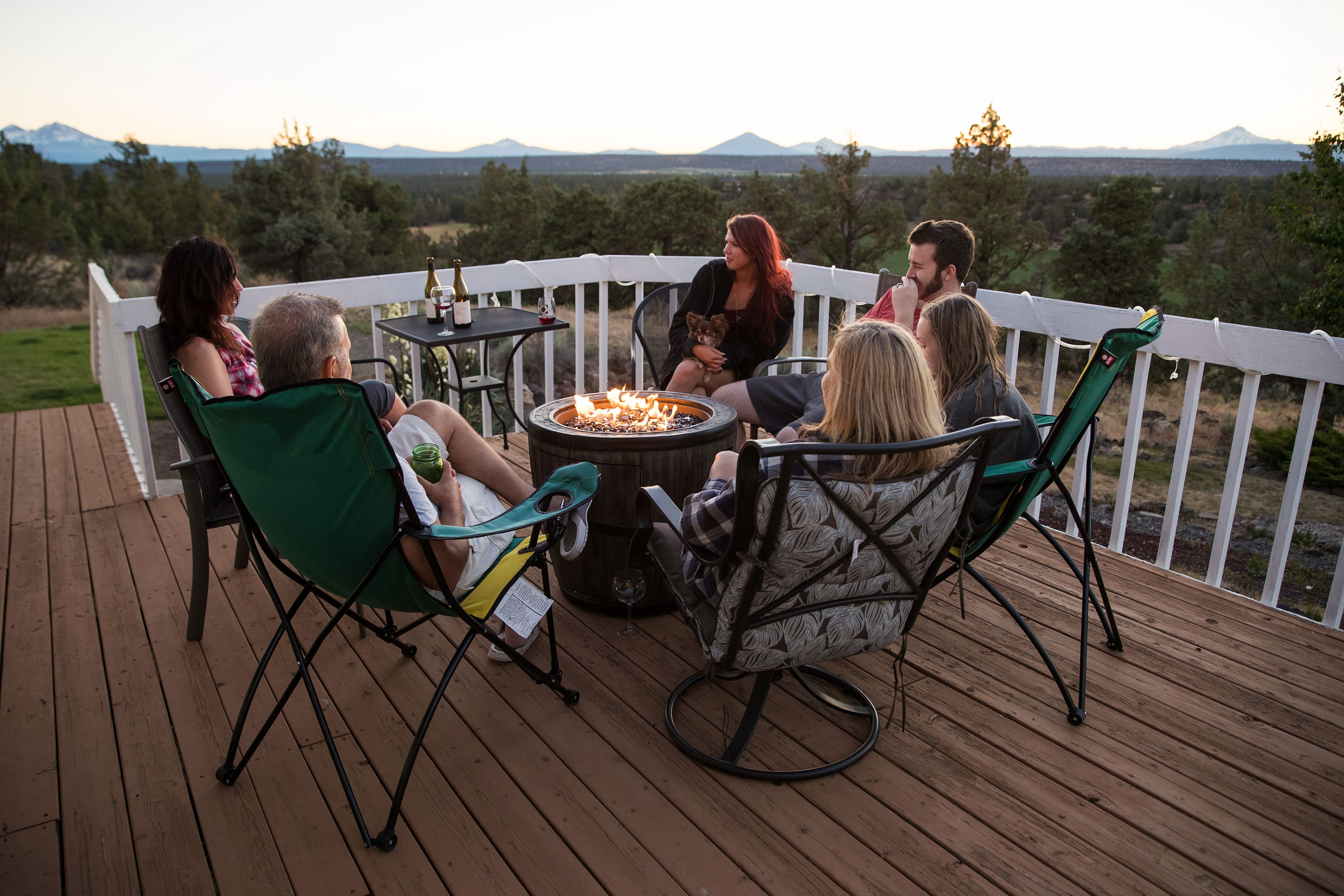
A fire pit installation costs $850 on average but can vary by size, fuel type, materials, and more. See how much you need to budget for a new fire pit.
Discover fire door cost data, including installation, materials, and tips to save. Learn what impacts fire door pricing and how to budget for your project.
Discover home fire sprinkler system costs, including installation, maintenance, and key cost factors. Learn how to budget and save on your home fire protection.
A fire pit adds attractive entertainment space to your backyard. Learn about standard fire pit dimensions and what factors contribute to fire pit size.