


Top-rated energy efficiency auditors.

Get matched with top energy efficiency auditors in Dunkirk, IN

Enter your zip and get matched with up to 5 pros

Need a pro for your energy efficiency auditing project in Dunkirk, IN?

Select your specific project to find the pro for you.

Find Energy efficiency auditors in Dunkirk

Avatar for USA Insulation of Indianapolis
USA Insulation of Indianapolis
4.0(
73
)

Serving Dunkirk, IN and surrounding areas

In business since 2009

Free estimates

Credit card accepted

"If you're looking for an A-player insulation contractor, I would recommend looking elsewhere. 
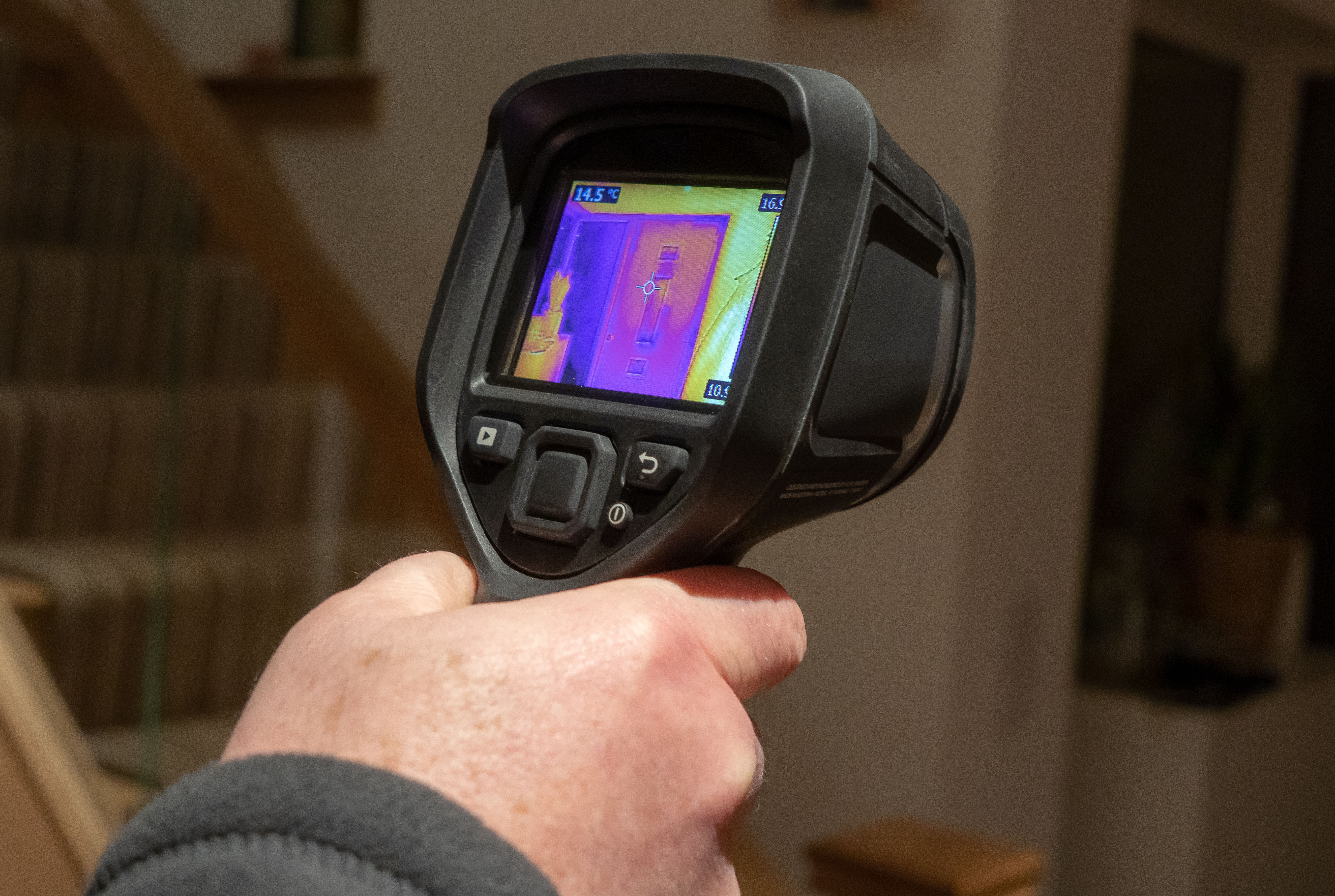
The energy consultant arrived on time and was friendly.   The estimate process was somewhat of a joke.   Basically, whatever I pointed to and said I'm interested in having something done, his response was "yeah we can do that" and then quoted some #'s from his head.   Really didn't take any time to look at anything in depth.  Didn't even go in the crawlspace to really see the extent of what needed to be done.   This compares to another company that came out and did blower-door test and used infrared thermometer equipment to check for heat loss (no charge).
The energy consultant said he would follow up with a quote via email.   I received nothing and checked junk mail folders.   I emailed for follow-up on my own and was told I would be contacted by a specialist. 
Specialist called and wanted to give me the hard sell on how they really wanted to stop by when my wife would be home.   I work in high-tech sales so I understand why they want to do this.  However, it's a huge red flag to me and exposes how they conduct their business, which is not how I conduct business. 
 

"
Recommended by81%of homeowners
Energy Efficiency Auditing questions, answered by experts

Yes, installing an attic fan can help lower your electric bill—particularly if you live in a hot and humid region. By replacing hot and stuffy air with cooler air, these fans help regulate the temperature in your attic and the rest of your home, taking some of the pressure off of your air conditioner.

Window AC units use a fair amount of electricity, but significantly less than central AC systems. Because they are more energy-efficient for cooling individual rooms or small spaces, their usage is comparatively low. On average, a window AC unit consumes between 500 and 1,400 watts, while a central AC system uses over 3,500 watts—meaning a window unit uses about one-third of the energy. This typically translates to a monthly running cost of $15 to $40, although this can vary depending on external factors.

You can save money on heating oil through a combination of improving home efficiency and smart purchasing strategies.

Home Efficiency and Usage:

  • Improve Insulation: Ensure your home, especially the basement and attic, is well-insulated and sealed against drafts to prevent heat leakage.

  • Manage Your Thermostat: Use a properly calibrated and programmable thermostat. Lower the temperature by a few degrees, particularly when you are away from home or asleep.

Purchasing Strategies:

  • Buy in the Off-Season: Order heating oil during the summer months when prices are generally at their lowest. This strategy is most effective if you have a large primary tank or a separate storage tank to accommodate bulk deliveries.

  • Consider a Delivery Contract: Some companies offer contracts with a set price for the term. This can lead to savings if market prices for oil increase, but you might pay more if prices drop.

STC (Sound Transmission Class) is a rating that describes how well a building material or assembly blocks airborne sound. A higher STC rating means less noise will pass through the material, providing better sound reduction. This rating system applies to various building components, including windows, doors, flooring, drywall, and insulation.

For context, a typical single-pane window has an STC rating of around 25 (where normal conversations are audible), while a well-sealed, double-pane window can exceed STC 45 (blocking loud speech and most music). It is important to note that for some products, like soundproofing drywall, the STC rating refers to the entire wall system, not just the individual panel.

Additionally, STC ratings are most effective for measuring sound reduction at mid-to-high frequencies, such as human speech, and may not accurately reflect how well a material blocks low-frequency sounds like bass music or thunder. Because of these factors, it is recommended to consult a professional to determine the right STC-rated materials for your specific soundproofing needs.

DIY is possible with basic tools. Professional audits provide comprehensive assessments and tailored recommendations.

The Dunkirk, IN homeowners’ guide to energy efficiency auditing services

From average costs to expert advice, get all the answers you need to get your job done.