Top-rated lead testing and removal specialists.

Best lead testing and removal specialists near Bunker Hill, IN

Enter your zip and get matched with up to 5 pros

Need a pro for your lead testing and removal project in Bunker Hill, IN?

Select your specific project to find the pro for you.

Top-Rated Lead testing and removal specialists in Bunker Hill - Updated Nov 2026

Avatar for Industrial Insulation solutions inc
Industrial Insulation solutions inc
4.3(
46
)
Toxic Lead - Abatement

Serving Bunker Hill, IN and surrounding areas

Approved

In business since 2008

Free estimates

Offers commercial services

"Tomas came out and inspected the attic and gave me a good quote. Juan and his team came out and completed the removal in a few hours on one day and the insulation replacement in a few hours the next day. Good communication and good customer service.ð ð ¾"
27 neighbors recently requested a quote
Recommended by86%of homeowners
Lead Testing and Removal FAQs, answered by experts

According to the Environmental Protection Agency (EPA), hazardous waste is generally classified into four main categories:

1. Characteristic Wastes: These exhibit at least one of four hazardous traits: ignitability (flammable, like gasoline), corrosivity (can rust or decompose materials, like car batteries), reactivity (unstable and can explode, like aerosol cans), or toxicity (harmful when ingested, like lead-based paint).

2. Listed Wastes: These are specific wastes from manufacturing and industrial processes that the EPA has officially designated as hazardous. They include byproducts from processes that use solvents, pesticides, and other chemicals.

3. Universal Wastes: These are commonly generated hazardous items that are subject to streamlined regulations. Examples include batteries, pesticides, mercury-containing equipment (e.g., bulbs), and some lamps.

4. Mixed Wastes: This category includes waste that contains both hazardous and radioactive components, making it subject to regulation by both the EPA and the Nuclear Regulatory Commission.
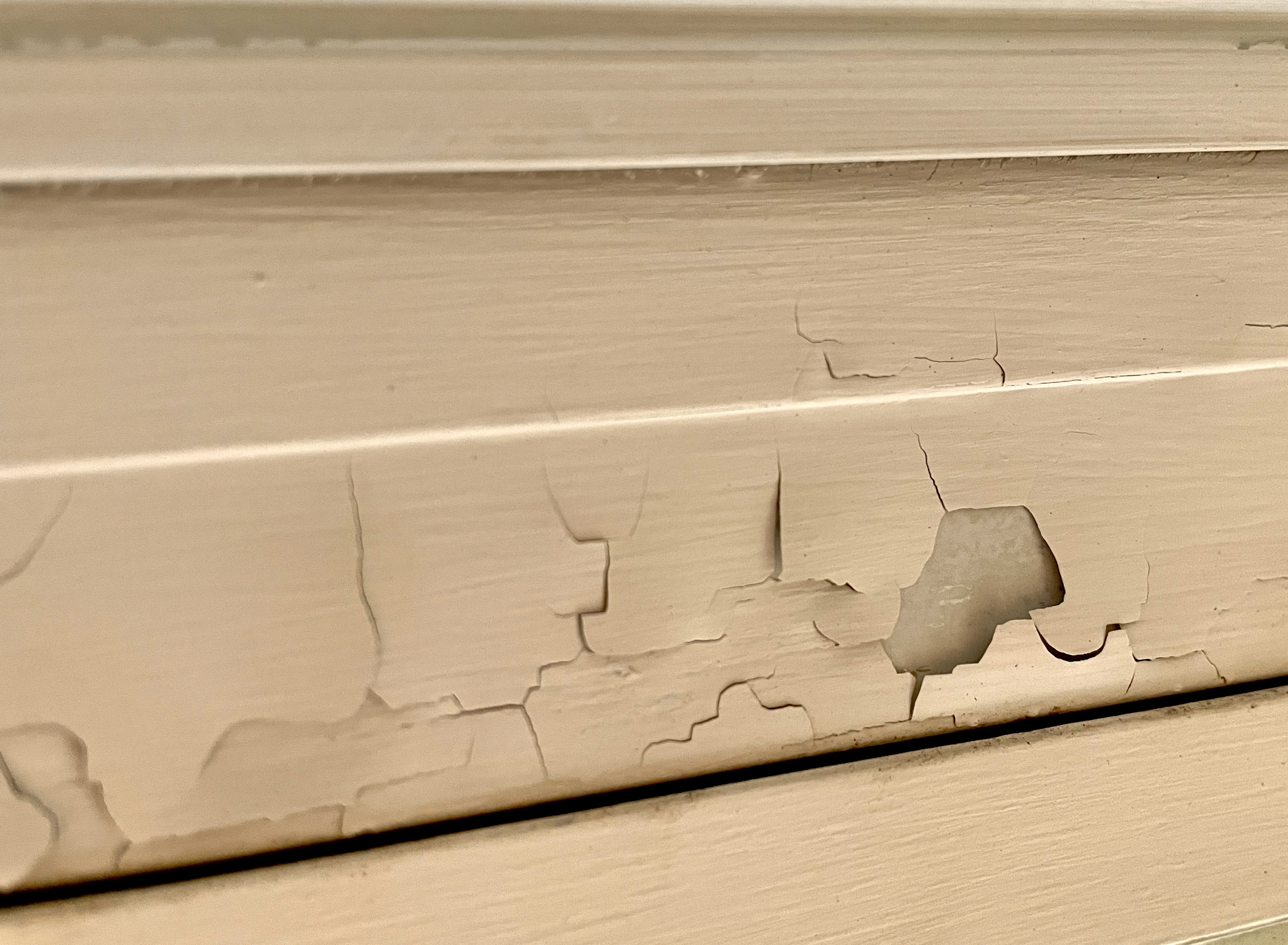
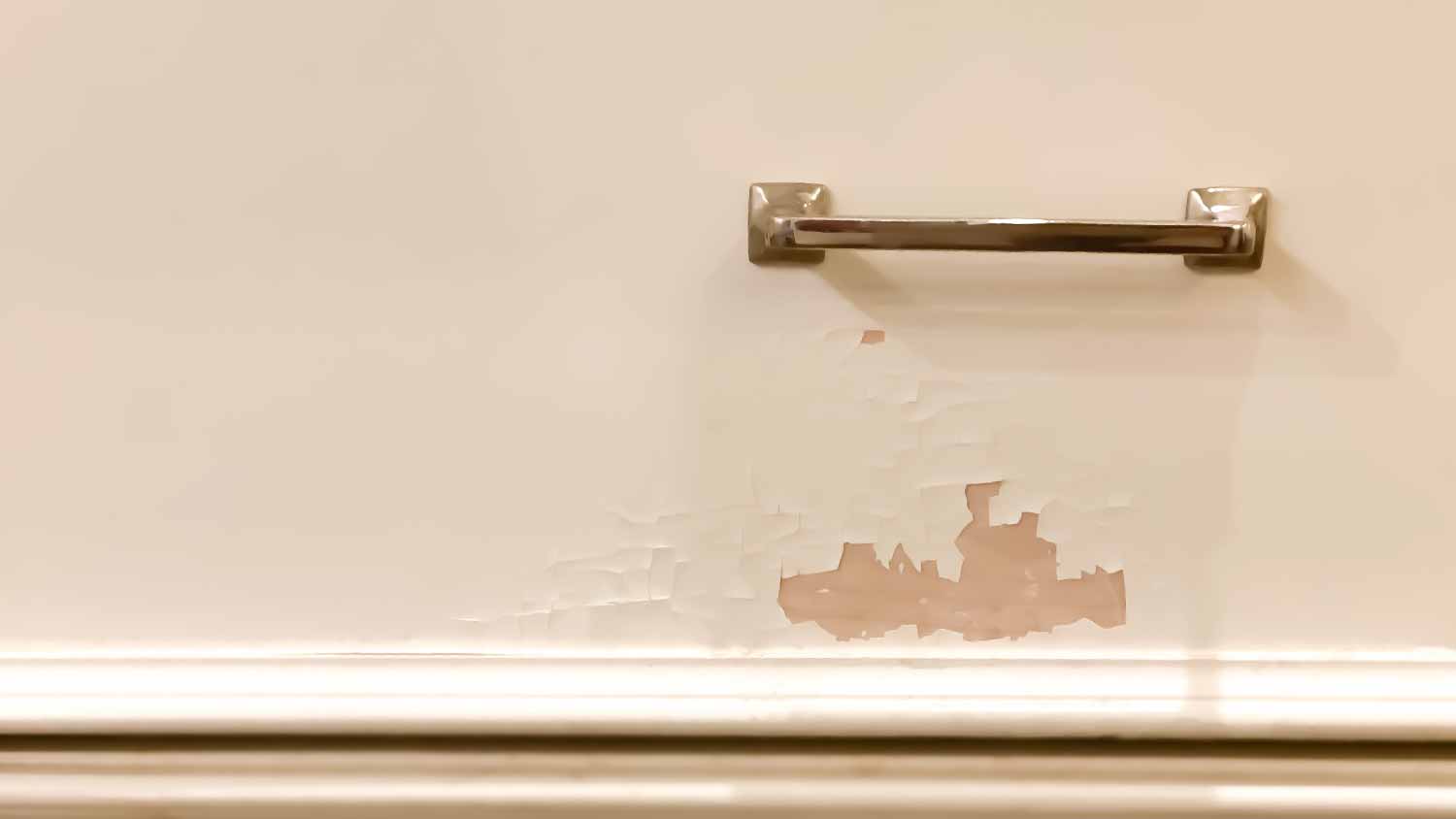
You do not have to remove lead paint if the surface is not chipping or peeling or if there are no pregnant people or children under the age of six who live in or regularly visit your home. Lead paint is a particular risk for young children whose brains and bodies are not fully developed. Experts strongly recommend that you call a pro to remove lead paint if it’s peeling or flaking, no matter who lives in the home. You can experience lead poisoning by breathing in or ingesting just a small amount of it.

Properties should be tested for lead every 2-3 years, especially if they are older, have undergone renovations, or show deterioration of paint or interior finishes.

Structural problems with the foundation or roof, water damage, and significant plumbing or electrical issues are all considered major red flags in a home inspection. Of these, a structural problem related to the foundation is often the most severe. Foundation repairs are typically the most expensive and intrusive to carry out, averaging around $5,000 but sometimes reaching up to $16,000. Because these problems can pose safety risks and be costly to fix, you should ask your inspector detailed questions about any identified issues. You will need to carefully consider how major problems affect what you’re willing to pay for the home, or if you want to proceed with the sale at all.

Iron sediments from rusty pipes are not likely to cause health problems. While a glass of yellow-hued water is off-putting, it is generally safe to drink yellow water in the short term. But you certainly want to address this problem. In the meantime, switching to bottled water until the yellow water issue is resolved is a good idea. 

The Bunker Hill, IN homeowners’ guide to lead testing and removal services

From average costs to expert advice, get all the answers you need to get your job done.